Does The Ac In Your Car Use Gas
Ah, the great outdoors! Or rather, the great indoors of your trusty automobile on a sweltering summer day. You slide into the driver's seat, the leather (or cloth, we don't discriminate) practically sizzling. Your hand instinctively reaches for that magical dial, the one that promises sweet, sweet relief. A satisfying click, a whoosh, and suddenly, the arctic wind of comfort begins to blast. You sigh. Life is good.
But then, a tiny, nagging thought whispers in the back of your mind. A thought that’s been debated in driveways, whispered at gas pumps, and argued over during long road trips since cars first got cool. It’s the age-old question, the automotive conundrum: Does the AC in your car use gas?
Now, you might have heard some folks, perhaps with a mischievous glint in their eye, declare, "Oh, not really! It's negligible!" Or, "Modern cars are so efficient, you barely notice it!" And sure, perhaps on a microscopic level, they're not entirely wrong about the "barely notice it" part. But let's be real here, friends. Let's be truly, utterly, and unreservedly honest with ourselves.
Must Read
Of course, it uses gas!
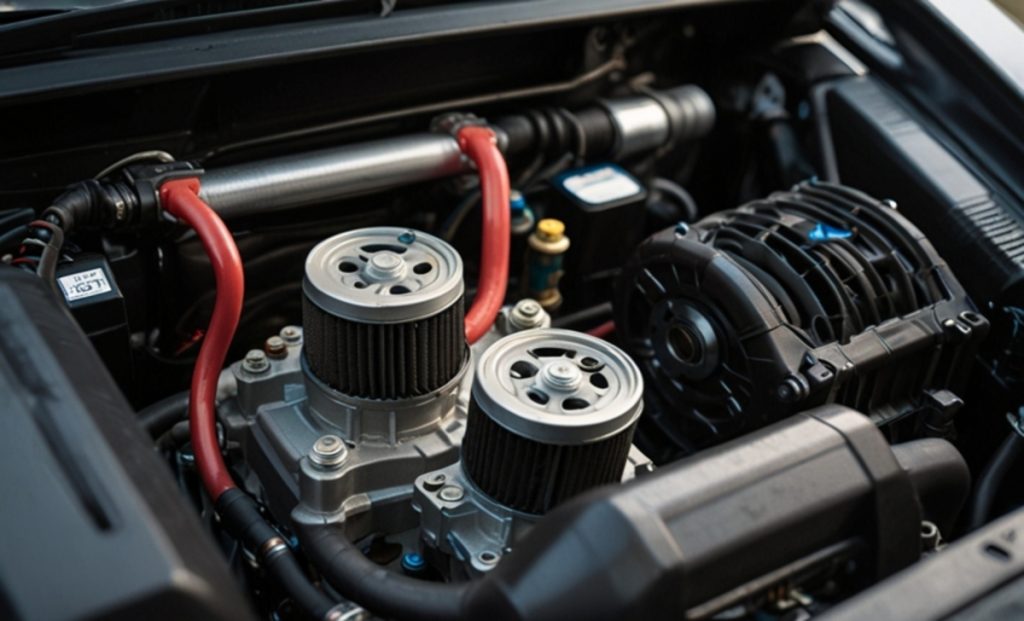
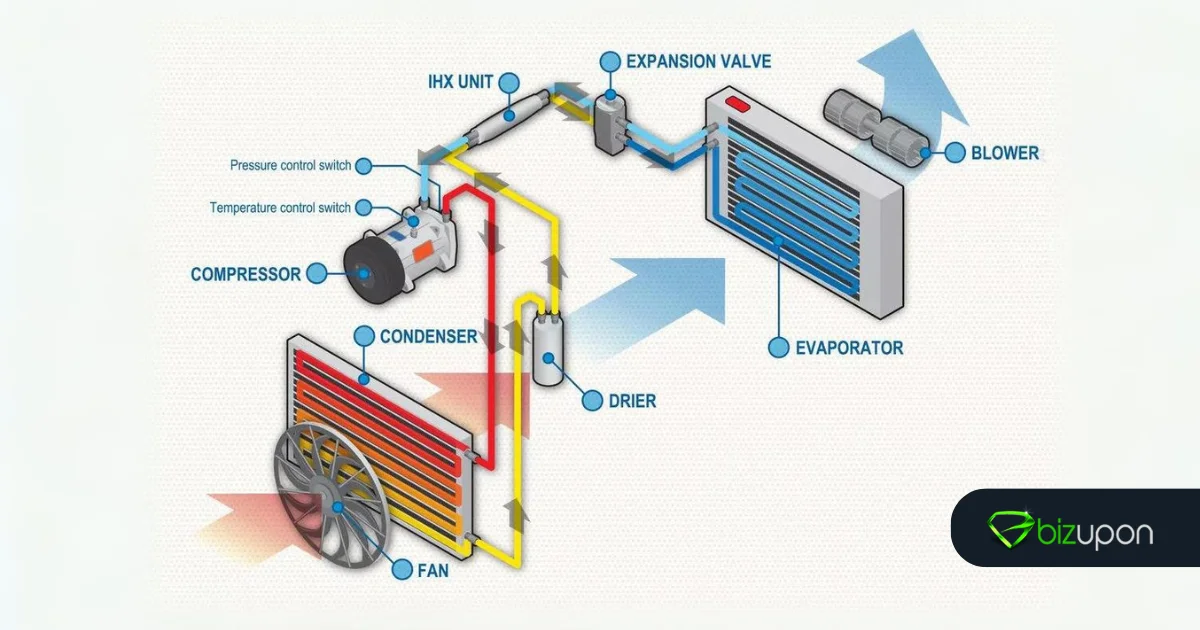
Come on, people! That frosty gale isn't conjured by pixies or powered by good vibes alone. That blast of perfectly chilled air isn't just happening because your car wants you to be comfortable. Something has to make it happen! That something is a whole system of mechanical parts working incredibly hard, pushing refrigerant around, compressing things, and generally getting very busy. And all that busyness? It needs energy. Where does your car get its energy? Ding, ding, ding! From the engine. And what powers the engine?
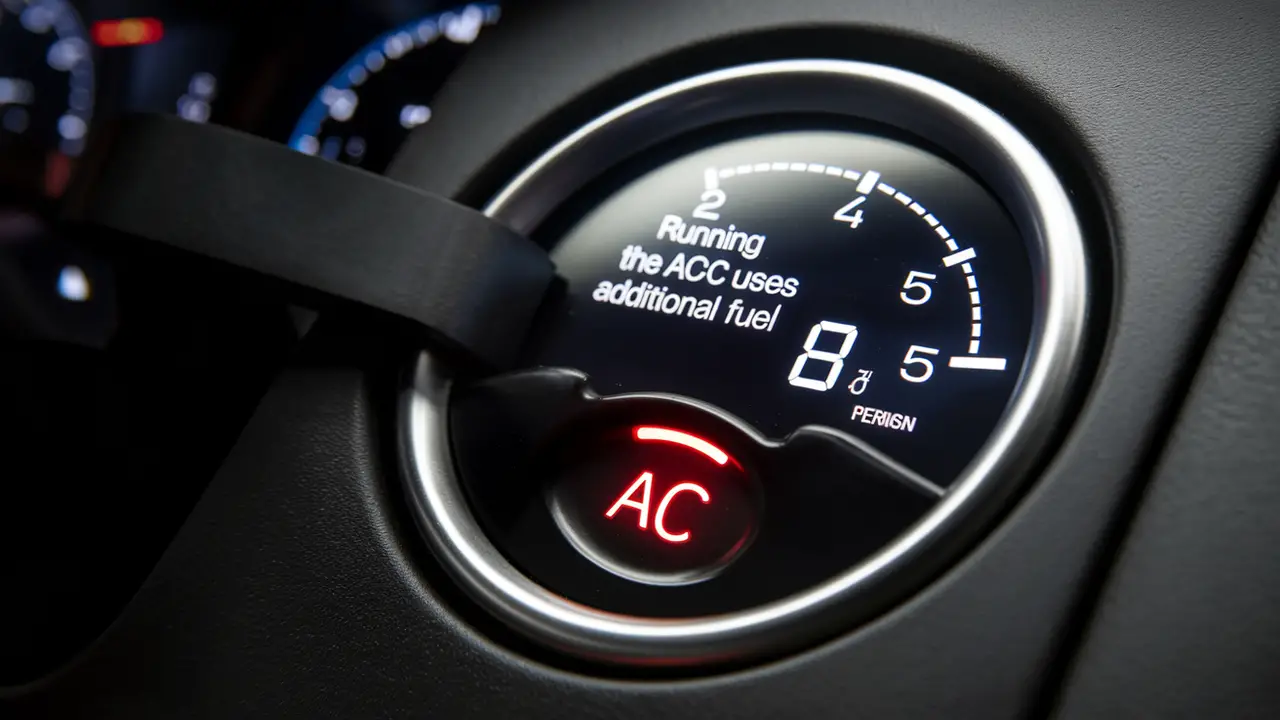
Yes, you guessed it: good old gasoline!
Think of it like this: your car's engine is like the main power plant for everything happening in your vehicle. When you ask it to do extra work – like, say, powering a little hurricane of cool air – it has to burn more fuel to generate that extra oomph. It's not magic, folks. It's physics, disguised as a delightful breeze.

You know it's true. You’ve felt it. That slight shudder, the almost imperceptible dip in power when you first crank up the AC on a hot day. It’s your car’s way of saying, "Alright, boss, you want cool? I'm gonna need a little more juice for this!"
And let's not even get started on the visual evidence. Have you ever been cruising along, gas gauge stubbornly hovering near empty, and you decide to risk it all for a few minutes of AC bliss? What happens next? That needle, like a tiny, accusatory finger, seems to drop just a little bit faster, doesn't it? It’s not your imagination. That's your car politely reminding you that comfort comes at a price, often measured in precious drops of ethanol-blended goodness.
Consider the mighty road trip. Miles and miles of open highway, the sun relentlessly beating down. You're not just running the AC for five minutes; you're running it for hours. That continuous demand for coolness adds up, my friends. It definitely adds up. You pull into the gas station feeling good, refreshed, but also noticing that your tank seems emptier than usual for the distance covered. Coincidence? I think not!
So, the next time someone tries to tell you that turning on your car's air conditioning has no impact on your fuel consumption, give them a knowing wink. Smile sweetly. Then, perhaps, offer them a mint and whisper, "It's okay to admit the truth. We all do it anyway!"
Because while our wallets might occasionally wince, and our gas gauges might give us the evil eye, there’s simply no denying the blissful, life-giving power of a well-functioning car AC. It might drink a little gas, but honestly, in the scorching heat, sometimes it feels like a small price to pay for sanity. We know it uses gas, we acknowledge it, and we crank it up anyway. And that, my friends, is the beautiful, universal truth of driving cool.