Does Solar Add Value To Home
Ever found yourself staring at a neighbor's shiny new solar panels, wondering, "Is that a smart move, or just a really expensive fashion statement for their roof?" You're not alone! The question of whether solar truly adds value to a home is a popular one, sparking lively debates at barbecues and online forums alike. It's a topic that combines our love for saving money, our growing interest in going green, and that ever-present desire to make our homes the best they can be. It's fun because it touches on both finance and sustainability, and incredibly useful for anyone contemplating a home upgrade or thinking about selling in the future.
So, who benefits from understanding this? Practically everyone with a roof! For beginners and first-time homeowners, grasping the long-term investment potential of solar can be eye-opening, offering a path to energy independence and predictable utility bills. Families often find the biggest draw in the reduced monthly expenses, freeing up funds for other priorities, and the pride of lowering their carbon footprint for future generations. Even hobbyists keen on home efficiency can delve into the nuances of solar technology, system design, and the evolving real estate market.
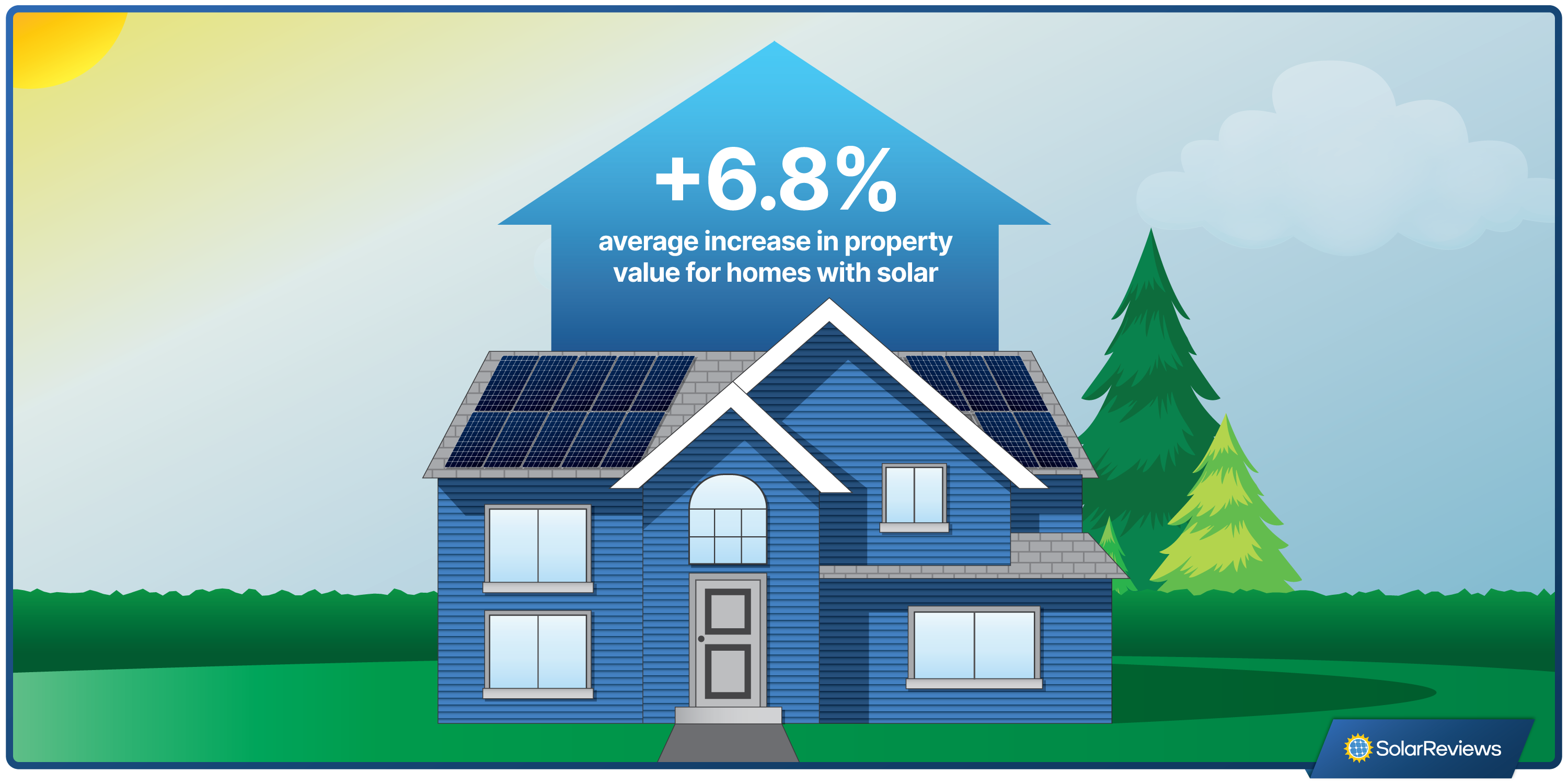
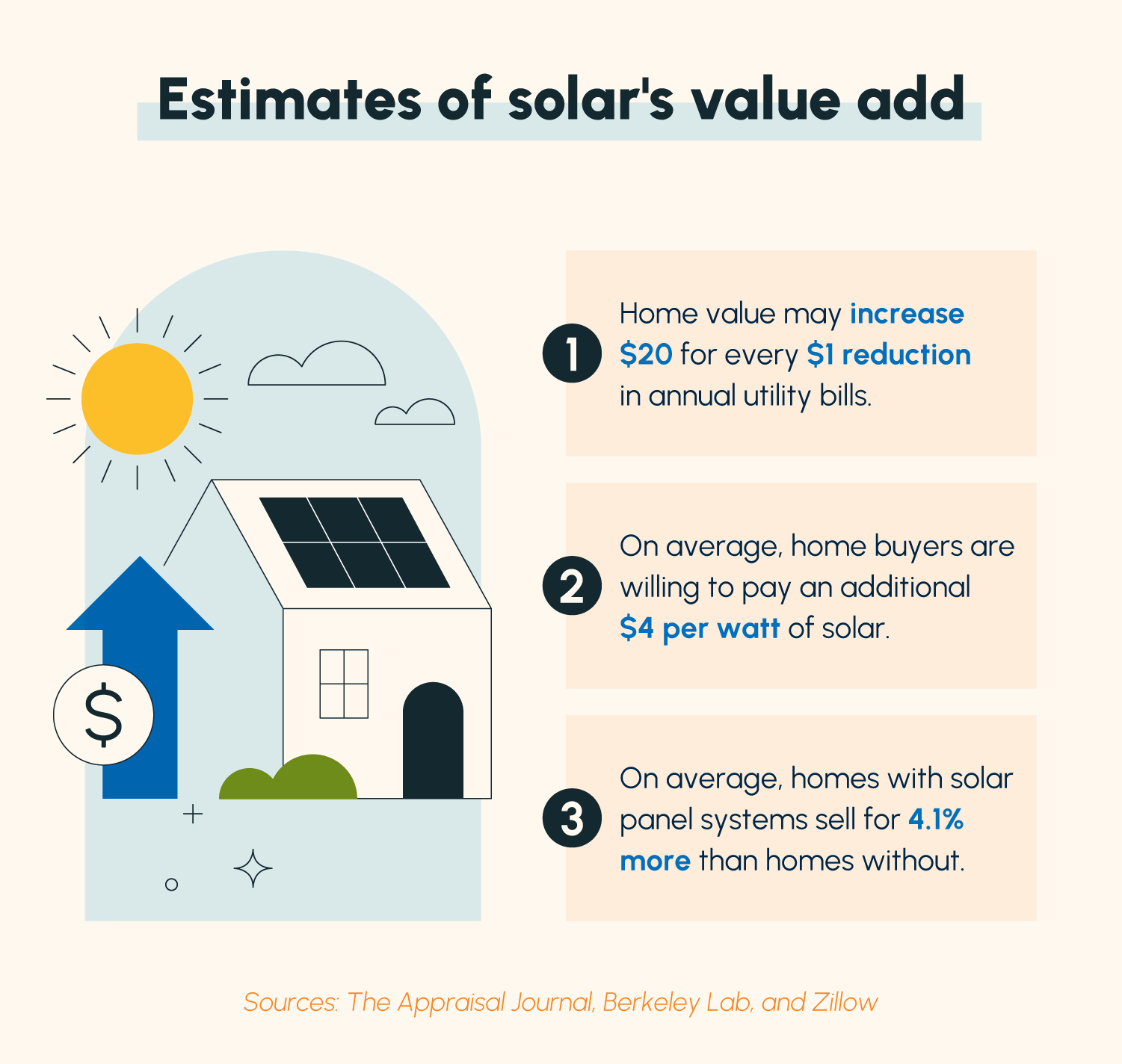
The "value" solar adds isn't always a straightforward sum, and it comes in a few variations. The biggest differentiator is whether the solar system is owned or leased. An owned system, which you've paid for outright or are paying off through a loan, is generally seen as a home asset, much like a renovated kitchen. It can significantly boost your home's appeal and sale price, often covering a good portion of its installation cost. A leased system or a Power Purchase Agreement (PPA), however, might be viewed differently. While it still provides energy savings, the new homeowner would need to take over the lease, which can sometimes complicate a sale or be seen as a liability rather than an asset. Other factors include the age and efficiency of the panels, whether you have battery storage (a big plus!), and the solar incentives available in your specific state or region.
Must Read
Ready to explore solar for yourself? Here are a few simple, practical tips to get started. First, do your homework on local incentives. Federal tax credits, state rebates, and net metering policies can dramatically impact your return on investment. Second, get multiple quotes from reputable solar installers. Don't just go with the first company that knocks on your door. Compare pricing, warranties, and proposed system designs. Third, consider your roof's condition. Solar panels are meant to last decades, so ensure your roof is in good shape before installation. Finally, and perhaps most importantly, consult with a local real estate agent who understands the solar market in your area. They can offer insights into how solar homes are perceived and valued where you live.
Ultimately, investing in solar is more than just a financial decision; it's an investment in a cleaner future and often, a more comfortable present. While the exact monetary value added can fluctuate, the peace of mind from lower bills, the positive environmental impact, and the sheer coolness factor of generating your own power are undeniably valuable. The future of energy is bright, and with solar, your home could be shining right along with it.