
Does Nuclear Power Release Greenhouse Gases
Hey, pull up a chair! Let's talk nuclear power, specifically, does it, you know, actually contribute to the greenhouse gas problem? It's a question that pops up more often than that weird aunt at Thanksgiving. So, what's the deal?
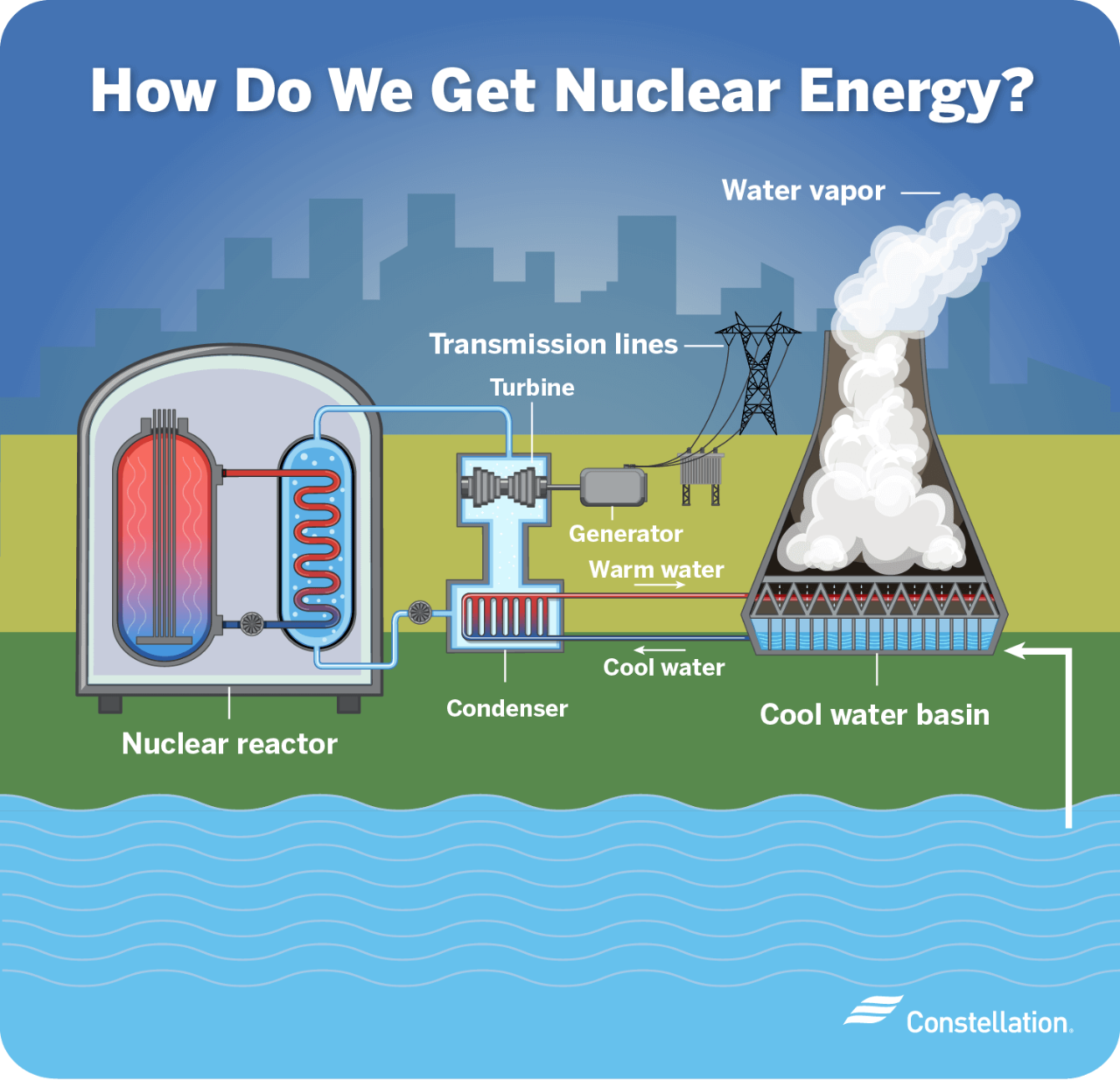
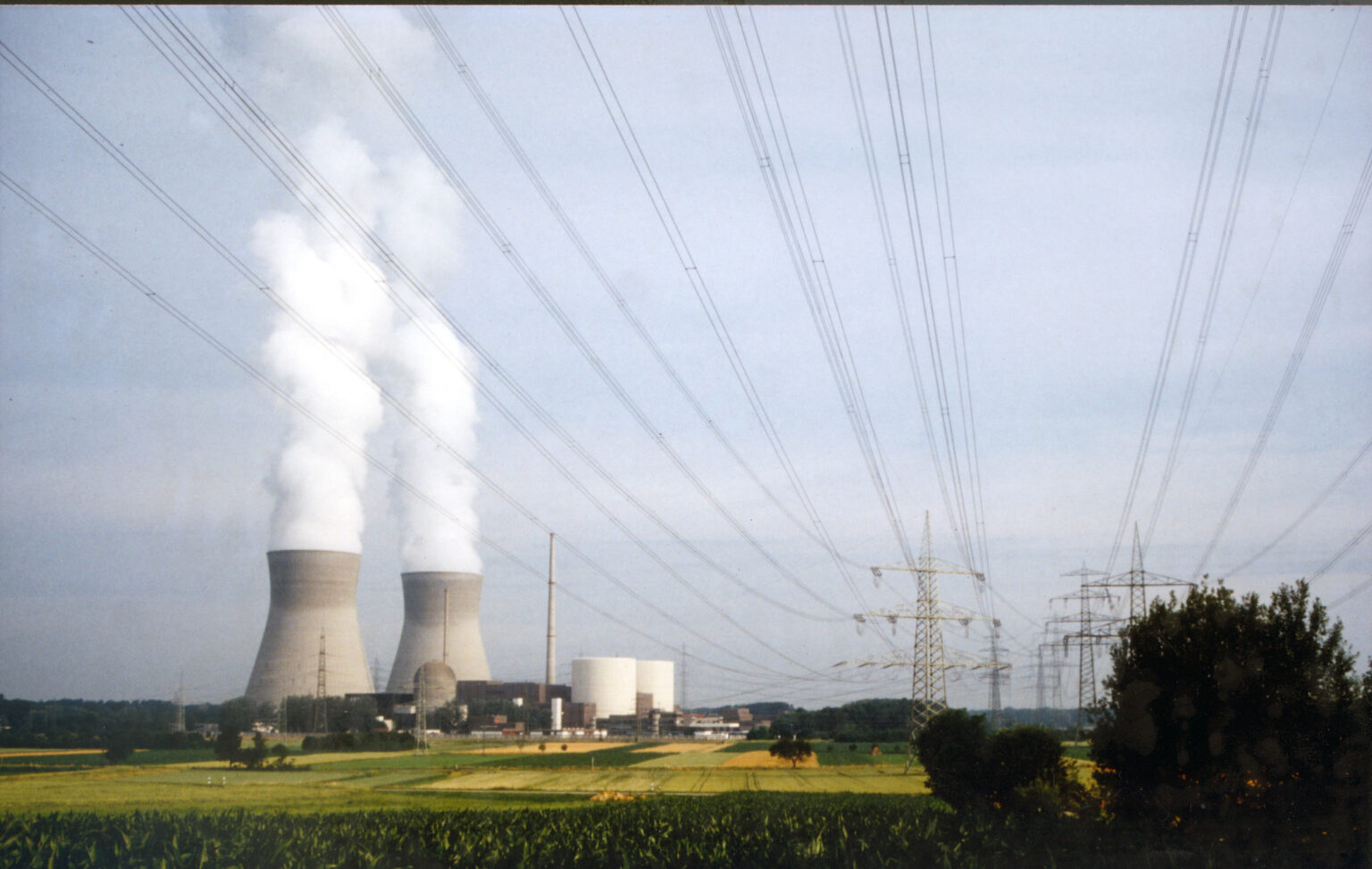
Okay, let's be clear right off the bat: during the actual operation of a nuclear power plant, it's pretty darn clean. Like, squeaky clean. No direct greenhouse gas emissions come puffing out of those iconic cooling towers. All that 'smoke' you see? That's just water vapor. Harmless. Think of it like a giant, industrial-sized humidifier. A super impressive one, admittedly.
But wait, there's more!
Must Read
It’s not quite as simple as "nuclear = zero emissions," though. Life, as we know, is rarely that straightforward, is it? We have to zoom out and look at the whole lifecycle of a nuclear plant. You know, the cradle-to-grave thing. Construction? Fuel extraction and processing? Decommissioning? These stages, my friend, do have a carbon footprint.
Think about it. Building a nuclear power plant is a HUGE undertaking. We're talking massive amounts of concrete, steel, and other materials. And guess what? Making those materials requires energy, often from fossil fuels. So, yep, carbon emissions are involved.
Then there's the uranium. It doesn't just magically appear! You've got to mine it, process it, enrich it... It’s a whole elaborate process involving heavy machinery and industrial processes. Each step along the way contributes to greenhouse gas emissions. Are we starting to see a pattern here?
Lifecycle Lowdown

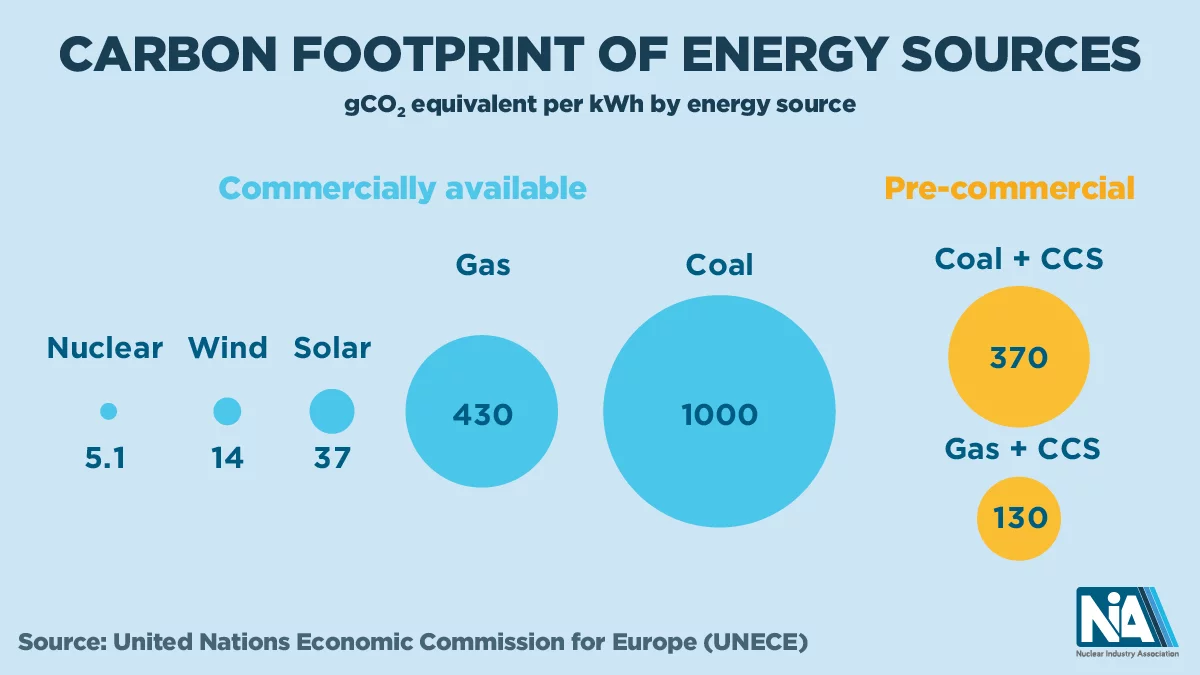
So, how bad is it, really? Well, studies vary, but generally, the lifecycle greenhouse gas emissions from nuclear power are significantly lower than fossil fuels like coal and natural gas. We're talking comparable to, or even lower than, some renewable energy sources like solar and wind (when you factor in manufacturing and installation).
Think of it this way: It's like baking a cake. You might use electricity (maybe generated by fossil fuels) to power your oven and mixer. That's a little bit of carbon impact. But the cake itself doesn't directly release greenhouse gases while baking, unlike, say, burning a log in the fireplace to cook (yikes!).
Is Nuclear Power the Answer?
That’s the million-dollar question, isn’t it? There's no easy "yes" or "no." The environmental impact of nuclear power is a complex topic with many factors to consider. We've got to think about the waste disposal (a whole other can of worms!), the risk of accidents (Chernobyl, Fukushima... the memory lingers), and the potential for nuclear proliferation (scary stuff!).
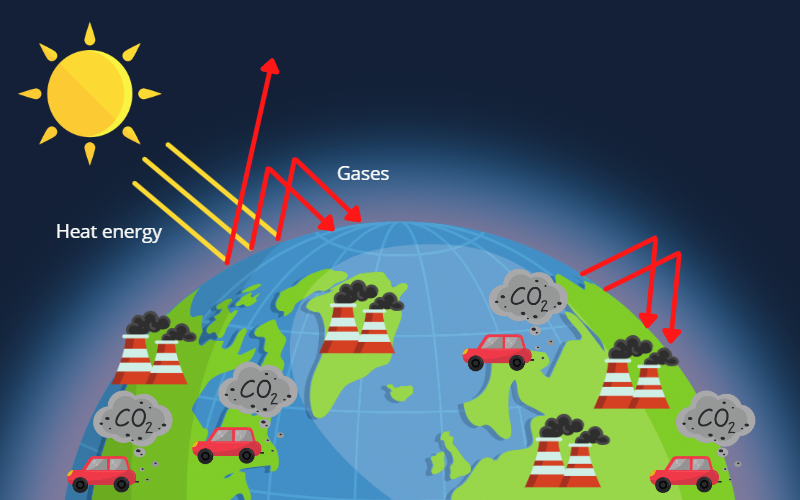
But, we also have to weigh those risks against the very real and pressing threat of climate change. Fossil fuels are actively and aggressively contributing to the problem. Nuclear power, while not perfect, offers a low-carbon alternative that can provide a reliable baseload of electricity. And, hey, there are new technologies on the horizon – advanced reactors, improved waste management techniques – that could potentially make nuclear even cleaner and safer in the future.
Ultimately, the role of nuclear power in a sustainable energy future is a decision that requires careful consideration and ongoing debate. But, at least now you're armed with a little more knowledge to throw into the mix! So, next time this topic comes up, you can confidently say, "Well, actually..." and impress everyone with your newfound nuclear expertise. You’re welcome!
Now, who wants more coffee?