Does Natural Gas Rise Or Sink
Alright, let's talk about something that might not keep you up at night, but is actually pretty interesting if you think about it: natural gas. We use it for cooking, heating, warming our showers – it’s a silent hero in our homes. But have you ever stopped to wonder, if there were a leak, does that stuff zoom up to the ceiling or sneakily pool on the floor? It’s not as obvious as you might think!
The Great Gas Escape: Up or Down?
Think about balloons for a second. You inflate one with regular air, and it just kind of... hangs out. But fill it with helium, and poof! Off it goes, headed for the heavens. Why? Because helium is lighter than the air around it. And guess what? Natural gas is a bit like that helium balloon.
Yep, natural gas is mostly methane, and methane is a real social climber. It’s significantly lighter than air. So, if you've ever had a tiny, fleeting sniff of gas near your stove or furnace (and quickly checked everything, because safety first!), where did that whiff seem to come from, or go to?
Must Read
Chances are, it was heading straight upwards. It’s not interested in chilling out by your baseboards; it wants to see the world from above, or at least from the top of your kitchen cabinets.
Everyday Clues: What Goes Up...
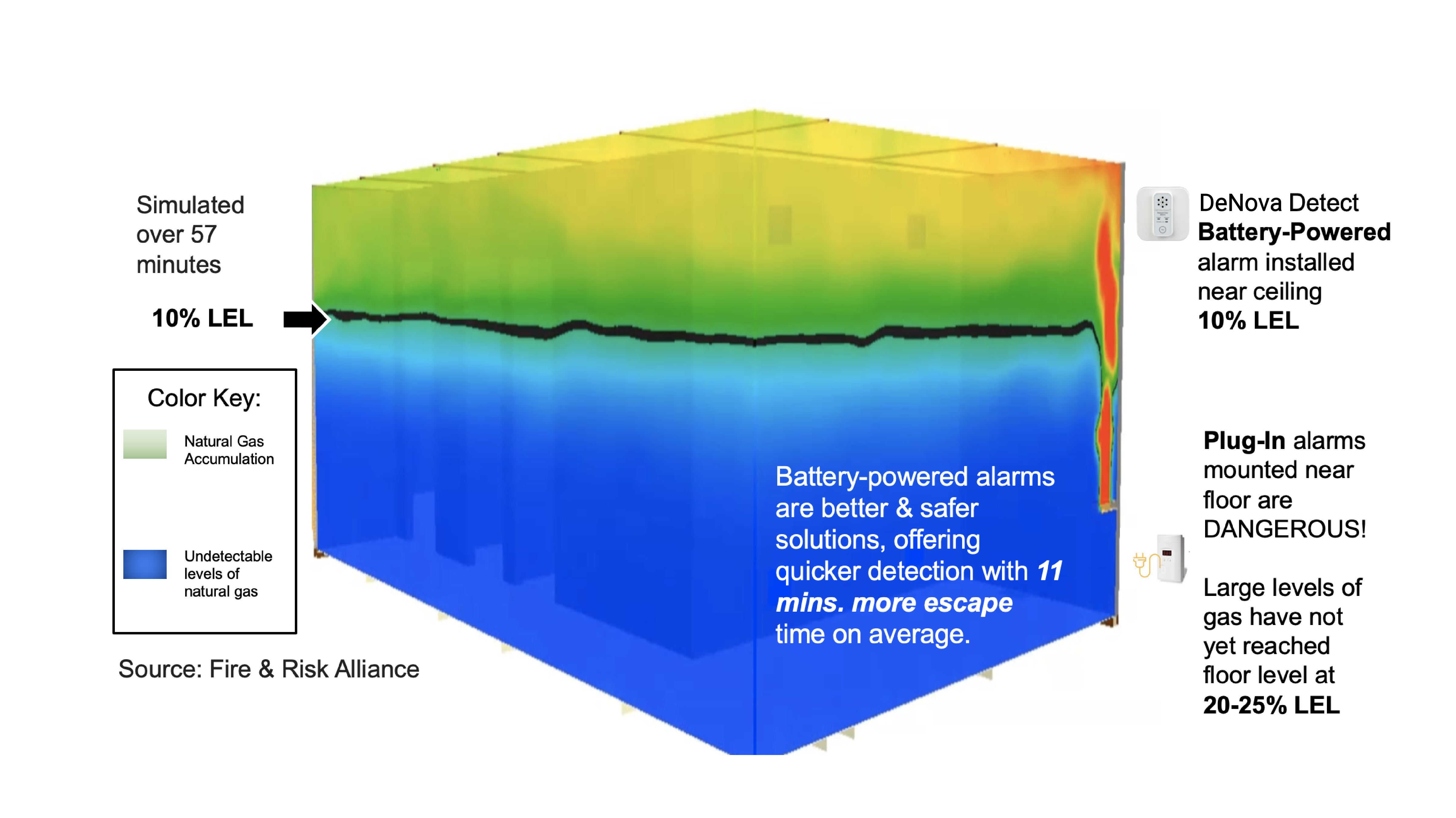
This isn't just a fun fact for your next dinner party; it actually has some real-world implications that you've probably encountered without realizing it. For instance, think about where you usually see natural gas detectors. Are they plugged in near the floor, like a forgotten charger? Nope!

Most natural gas detectors are designed to be installed higher up on a wall or even on the ceiling. Why? Because if there's a leak, the gas will rise and accumulate there first, giving the detector its best chance to do its job and alert you. It's like putting a smoke detector on the ceiling – smoke rises, so that's where you catch it.
It’s the scientific equivalent of that friend who always wants the top bunk or the best seat with a view. Natural gas just prefers the high life.
Not All Gases Are Created Equal: A Tale of Two Cousins
Now, here's where some of the confusion might come in, because not all gases behave the same way. You might be thinking, "But I thought some gases sink!" And you wouldn't be entirely wrong. You’re probably thinking of natural gas’s cousin, propane.
Propane, the stuff in your BBQ tank or powering some outdoor heaters, is a different beast entirely. It's heavier than air. If a propane tank springs a leak, that gas doesn't float away. Oh no, propane is more of an introvert; it likes to hug the floor, pool in low-lying areas, or settle in basements.

That’s why propane detectors are usually installed low to the ground. It’s also why you’re often told to keep propane tanks outdoors or in well-ventilated areas, away from drains or confined spaces where a leak could invisibly collect. Propane is definitely the shy one who prefers the basement party.
The Upward Journey: A Final Nudge
So, to put a neat little bow on it: when it comes to natural gas, remember its bubbly, helium-like personality. It’s got an upward ambition. It wants to rise, mingle with the ceiling, and generally head for the highest point it can find.
Next time you're thinking about your stove or furnace, you can smile, knowing that if there were ever a tiny hiccup, that natural gas isn't going to be creeping along your floorboards like a mischievous dust bunny. It’s heading for the stars, or at least your ceiling. So, yes, natural gas definitely rises. And now you know why!