
Does Leaving Chargers Plugged In Use Electricity
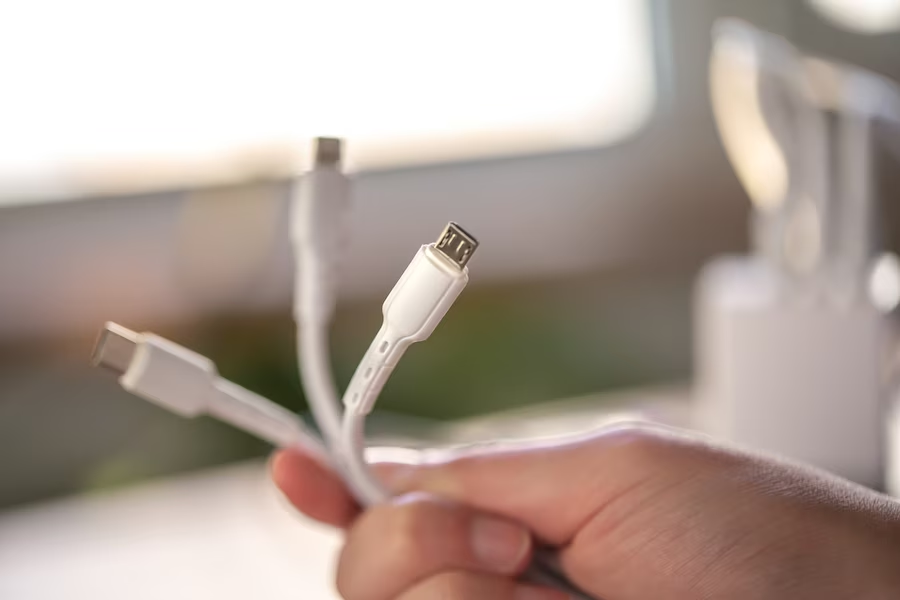
Okay, folks, let's tackle a question that's probably buzzing around in your brain like a caffeinated hummingbird: does leaving your phone charger plugged in actually suck electricity when nothing's attached?
You know, that little black (or white, or sometimes even funky-colored!) brick that's always hogging a precious outlet? We've all been there, right?
The Phantom Load: A Supervillain in Disguise?
Think of it this way: your plugged-in-but-unused charger is like a tiny, sneaky energy vampire. It's not draining gallons of power, but it's definitely sipping away at your electric bill, a minuscule amount at a time.
Must Read
This sneaky energy drain is often called a "phantom load," "vampire power," or even "standby power." Pretty dramatic, huh?
It's like leaving a faucet dripping – you might not notice it immediately, but over time, that drip-drip-drip adds up to a surprising amount of wasted water!
How Much Are We Talking, Really?
Alright, alright, I know what you're thinking: "Is this really worth worrying about? Am I going to go bankrupt because of my phone charger?"
The truth is, the amount of electricity a single idle charger uses is pretty small. We're talking pennies, maybe a few dollars a year per charger.
Think of it as the equivalent of finding a stray quarter in your couch cushions every month – nice, but not exactly life-changing. Unless, of course, you have a serious couch cushion quarter collection aspiration!
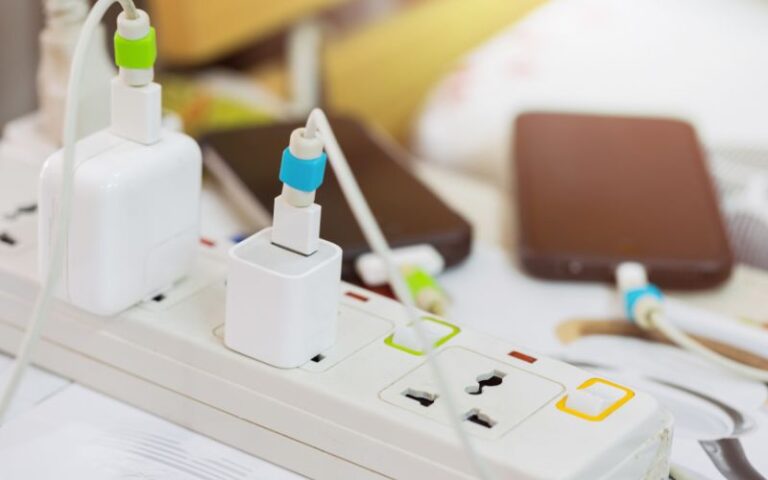
But here's the thing: those pennies add up! Especially when you consider all the other devices lurking in your home that are also silently guzzling power.
We're talking TVs in standby mode, computers humming quietly, coffee makers poised for action, and even those fancy voice-activated assistants that are always listening (and possibly judging your questionable music choices).
The Multiplier Effect: When Pennies Become Dollars
Imagine you have five or six chargers plugged in at all times. Suddenly, those individual pennies start to resemble a small handful of change.
Add in all the other phantom load culprits in your house, and you might be surprised at how much energy you're wasting without even realizing it.
It's like having a bunch of tiny leaks in your house – each one is small on its own, but collectively, they can lead to a significant increase in your water bill (or, in this case, your electricity bill!).
So, while your individual phone charger might not be a major offender, it's definitely contributing to the overall problem.
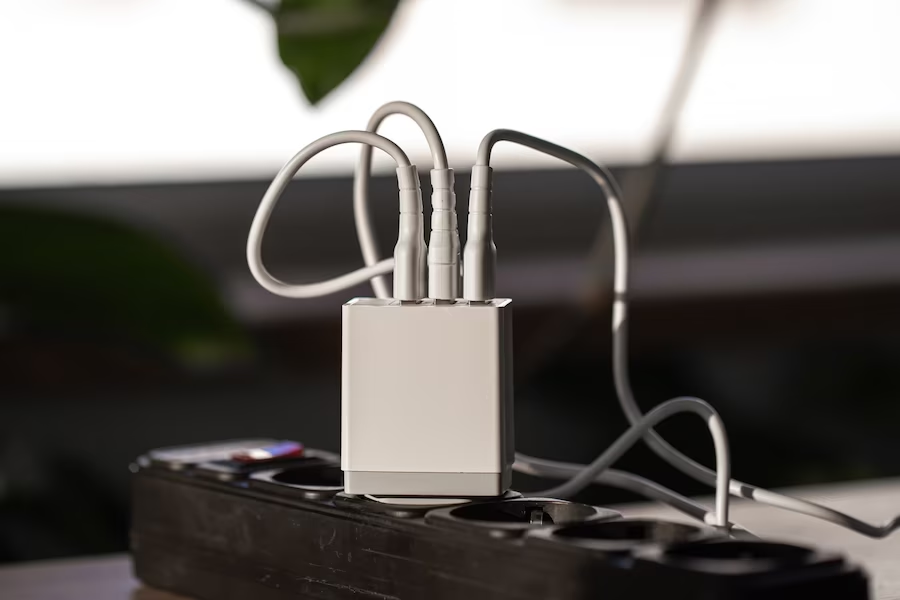
The Environmental Angle: More Than Just Money
Beyond the financial aspect, there's also the environmental impact to consider. Every little bit of electricity we save helps reduce our carbon footprint.
Think of it as doing your part to help save the planet, one unplugged charger at a time! You're basically a superhero, fighting against the forces of energy waste.
Okay, maybe that's a slight exaggeration, but you get the idea. Even small changes can make a difference.
Reducing your energy consumption is not only good for your wallet, but it's also good for Mother Earth!
So, What's the Verdict? To Unplug, or Not to Unplug?
Alright, let's get down to brass tacks. Should you become a dedicated charger unplugger?
Honestly, it's up to you! If you're super eco-conscious and want to squeeze every last drop of efficiency out of your energy usage, then go for it!
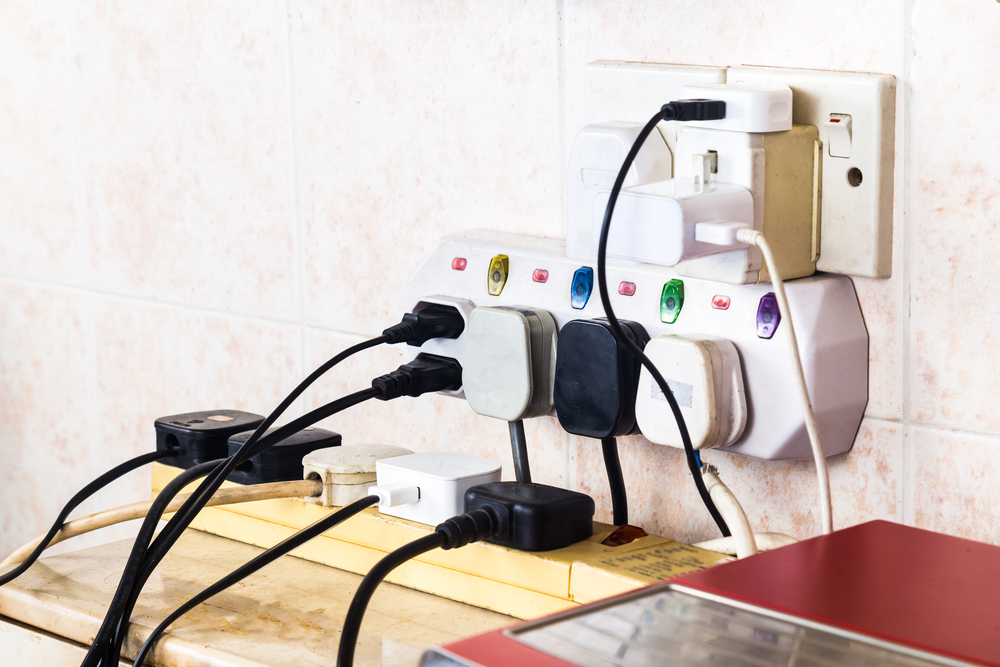
Unplugging your chargers when they're not in use is a simple and effective way to reduce your phantom load and do your part for the environment.
But if you're a bit more laid-back and the thought of unplugging everything every time you're done using it fills you with dread, then don't sweat it too much.
It's not the end of the world if you leave your charger plugged in. Just be aware of the potential for wasted energy, and maybe try to unplug a few devices here and there when you remember.
Easy Ways to Minimize Phantom Load
Okay, so you're on board with the idea of reducing your phantom load, but you don't want to spend your entire life running around unplugging things. I get it!
Here are a few easy tips to help you minimize your energy waste without sacrificing your sanity:
- Use a power strip: Plug multiple devices into a power strip and turn it off when you're not using them. This is especially helpful for entertainment centers with TVs, game consoles, and streaming devices.
- Unplug infrequently used devices: If you have a printer you only use once a month, unplug it when it's not in use. The same goes for that old phone charger you're keeping "just in case."
- Look for energy-efficient appliances: When buying new appliances, look for the Energy Star label. These appliances are designed to use less energy, even in standby mode.
- Be mindful of charging habits: Don't leave your phone or laptop plugged in overnight once it's fully charged. This not only wastes energy, but it can also damage your battery over time.
Think of the power strip as your new best friend. It's like a remote control for your energy usage!
By making a few simple changes to your habits, you can significantly reduce your phantom load and save money on your electric bill. It's a win-win situation!
The Bottom Line: Awareness is Key
The main takeaway here is awareness. Just being mindful of the potential for wasted energy can make a big difference.
You don't have to become a crazy energy-saving fanatic, but taking a few simple steps to reduce your phantom load can benefit your wallet and the environment.
So, next time you see that lonely charger plugged into the wall, take a moment to consider whether it really needs to be there. You might be surprised at how much energy you can save by simply unplugging it.
And who knows, maybe you'll even find a stray quarter in your couch cushions while you're at it! Bonus!
Ultimately, the decision of whether or not to unplug your charger is up to you. There’s no shame in either choice, you’ve got this!