
Does Keeping Ceiling Fan On Waste Electricity
Picture this: You're lounging on the sofa, iced latte in hand, catching up on the latest episode of your favorite show. The ceiling fan is whirring softly overhead, a gentle breeze keeping you cool and comfortable. But then a nagging thought creeps in: Is this blissful scene secretly draining your bank account? Let’s dive into the age-old question: Does keeping your ceiling fan on waste electricity?
The Great Fan Debate: On vs. Off
The short answer? It depends. Ceiling fans don't actually cool the room. They cool you. They create a wind chill effect, making you feel cooler as the air moves across your skin. Think of it like that perfect summer day with a light breeze – refreshing, right?
Now, here’s the key takeaway: if no one's in the room to experience that wind chill, the fan is just pointlessly churning air. It’s like leaving the TV on when you're not watching – a silent energy vampire.
Must Read
The Verdict: If you're not in the room, turn it off!
Watt's Up With Ceiling Fans?
Most ceiling fans use a relatively small amount of electricity, usually between 15 and 75 watts on high speed. Compared to an air conditioner, which can guzzle hundreds or even thousands of watts, a fan is a far more energy-efficient way to feel cooler. Think of it as the difference between sipping a glass of lemonade and chugging a whole pitcher – both quench your thirst, but one's a lot easier on the system.
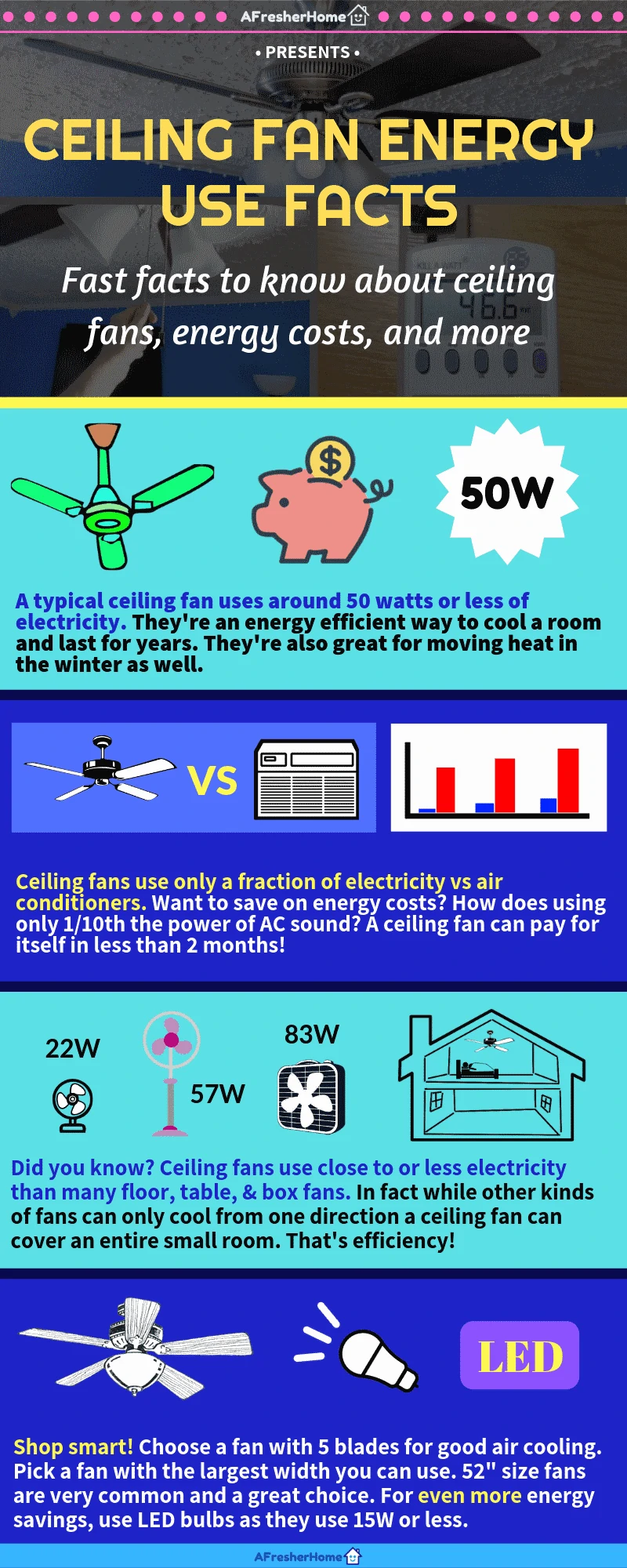
To get a better understanding of your fan's energy consumption, check the wattage listed on the motor housing. You can then use an online energy calculator to estimate the cost of running it for a certain period. You might be surprised at how little it actually costs!
Smart Fan Strategies for Maximum Efficiency
Here are a few practical tips to maximize your fan's efficiency and minimize energy waste:
- Direction Matters: In the summer, your fan should rotate counter-clockwise (when looking up at it) to push air downwards, creating that cooling breeze. In the winter, reverse the direction to clockwise at a low speed. This helps distribute warm air that rises to the ceiling. Think of it as seasonal wardrobe change, but for your fan!
- Speed Control: Use the lowest comfortable speed. High speed might feel great, but it also consumes more energy.
- Combine with AC: Ceiling fans can actually complement your air conditioner. By circulating the cool air, you can often raise the thermostat a few degrees and still feel comfortable, saving energy in the process. It's like having a dynamic duo of cooling power!
- Upgrade to Energy Star: Consider upgrading to an Energy Star-certified ceiling fan. These models are designed to be more energy-efficient than standard fans.
A Pop Culture Pause: The Fan in Film
Think about how often ceiling fans appear in movies. They're often used to create atmosphere, adding a sense of heat, languor, or even suspense. From the sweltering Southern settings in films like "A Streetcar Named Desire" to the noirish shadows cast by fan blades in countless crime dramas, the ceiling fan is a silent storyteller, adding another layer to the visual narrative. They are a simple fixture but speak to the setting and mood of a scene in subtle ways.
The Smart Home Era
Modern smart home technology offers even more ways to control your ceiling fan's energy consumption. Smart fans can be programmed to turn on and off automatically based on occupancy or temperature. You can even control them remotely with your smartphone! It's like having a personal assistant managing your comfort level.

Imagine setting your fan to turn off automatically when you leave for work or turning it on remotely before you get home on a hot day. That's the power of smart home integration!
Final Spin: A Reflection
Ultimately, the decision of whether to leave your ceiling fan on boils down to mindfulness. Being aware of your energy consumption and making conscious choices can make a significant difference, not just in your electricity bill, but also in your overall environmental impact.
So, next time you're enjoying the cool breeze from your ceiling fan, take a moment to consider whether it's truly benefiting you. A little bit of awareness can go a long way in creating a more comfortable, and energy-efficient, home.
