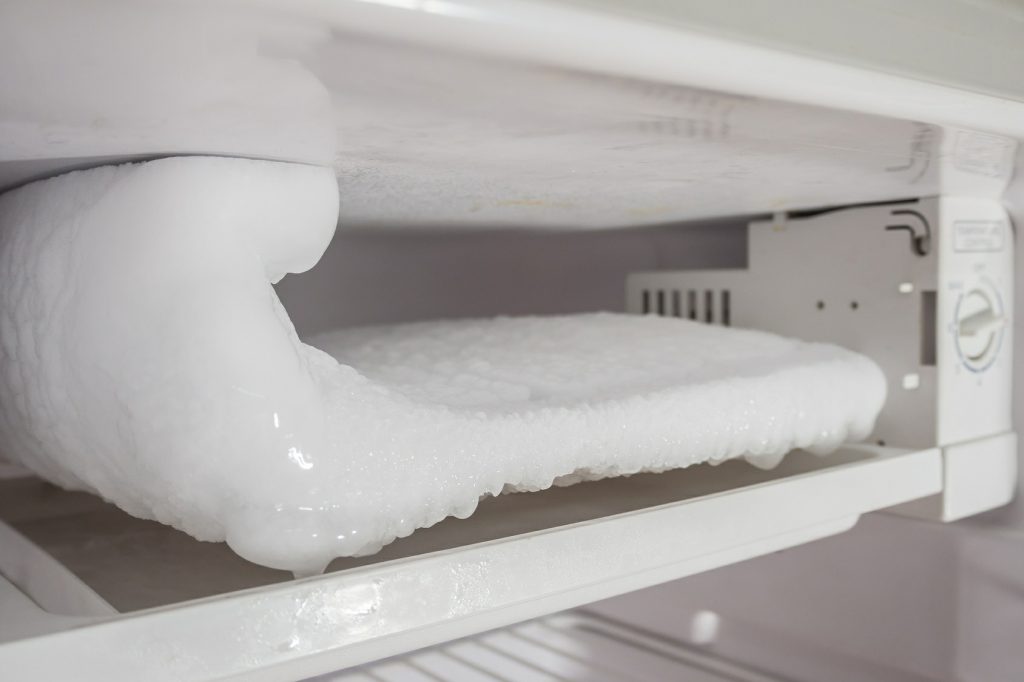
Does Ice Go Bad In The Freezer
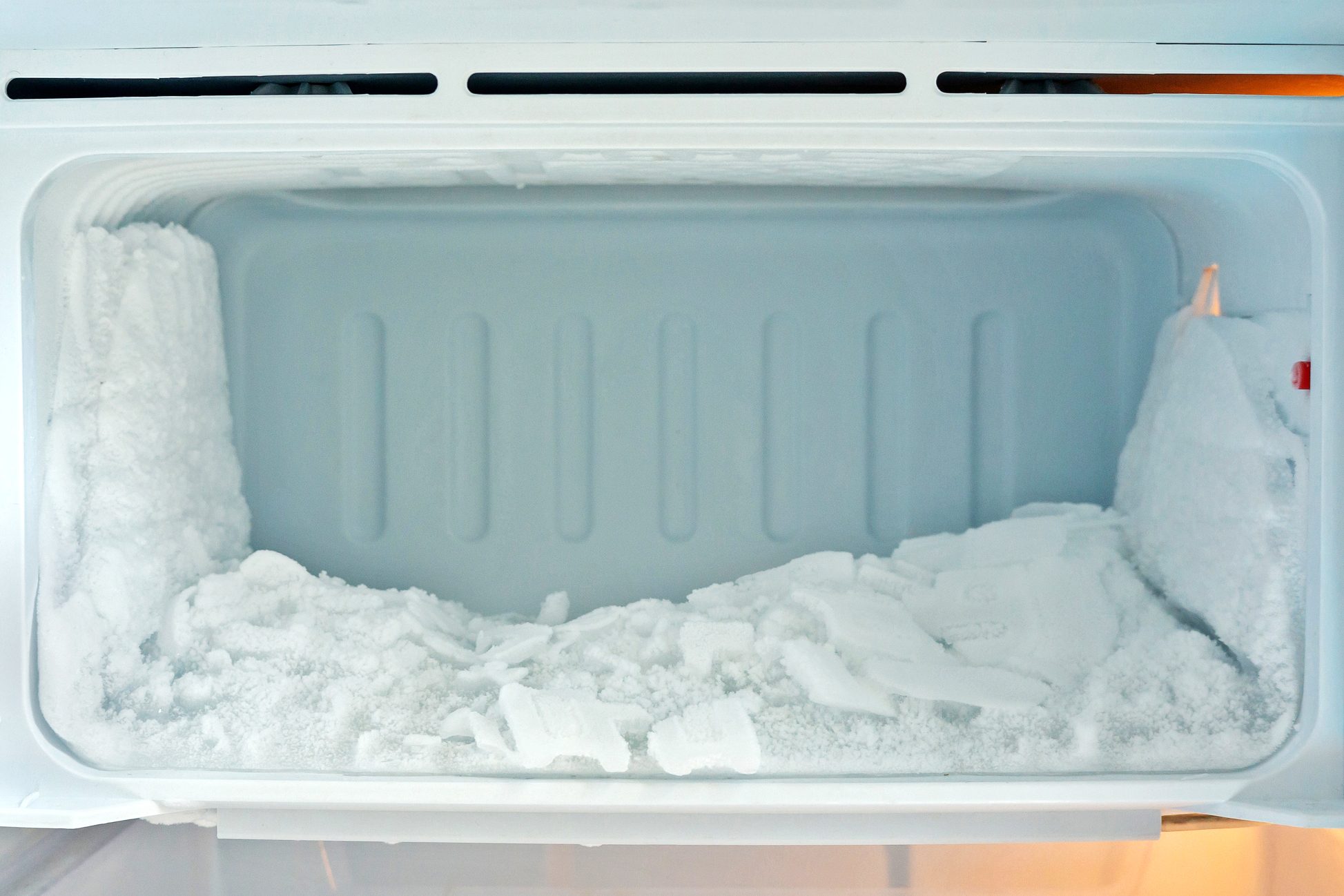
Ever paused, mid-reach for that frosty cube, and thought to yourself, “Hold on a minute… can ice actually go bad?” It’s a question that probably doesn't keep you up at night, but it’s definitely one that sparks a little flicker of curiosity. Like, is there a secret expiration date on those shimmering blocks of frozen water? Let’s dive into the fascinating, albeit chill, world of ice longevity.
First off, let’s get something straight. What is ice, really? At its core, it's just frozen water. And water, in its purest form, doesn't exactly "spoil" in the way milk or last night's leftovers do. There are no mischievous bacteria setting up shop and throwing a party in your ice tray, because it’s simply too cold for them to thrive. So, in the strictest sense of food safety, your ice isn't going to turn into a health hazard. Phew!
But Wait, My Ice Tastes… Weird
Ah, now we're getting to the good stuff. While ice itself might not spoil, its quality can absolutely take a nosedive. Have you ever dropped a cube into your drink, taken a sip, and immediately thought, "What is that?" It tastes like… well, it tastes like your freezer. Or maybe last week's garlic bread. Or that mysterious frozen fish from three months ago.
Must Read
This, my friends, is the phenomenon of odor absorption. Ice, being highly porous, is like a tiny, frozen sponge. It’s incredibly good at soaking up all the various smells wafting around your freezer. Think of it as your freezer's natural air freshener, but instead of making things smell good, it’s just capturing all the strong aromas. Not exactly what you want in your refreshing iced tea, right?
To combat this, a simple trick is to always store your ice in sealed containers or make sure your ice maker dispenser is regularly emptied and cleaned. Out of sight, out of smell, in this case!
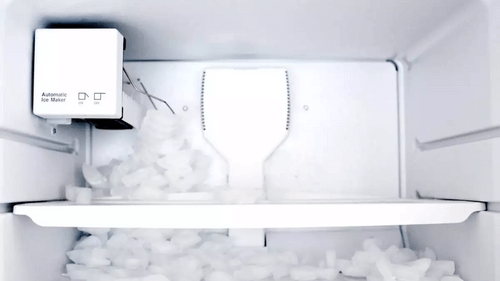
The Case of the Shrinking Ice Cube
Beyond weird tastes, have you ever noticed your ice cubes looking a little… lonely? Like they’ve been on a serious diet? They start out perfectly square and then, over time, they get smaller, rounder, and a bit pitted. This isn't magic, it's sublimation, and it’s super cool!
Sublimation is a scientific process where a solid turns directly into a gas, completely skipping the liquid phase. In your freezer, the dry, cold air slowly but surely causes the surface of your ice to turn directly into water vapor. It’s like a tiny, invisible steam engine working tirelessly, one molecule at a time. This is also why clothes "dry" on the line even on a freezing winter day – the ice crystals in the fabric sublimate away!
So, those shrunken, pockmarked ice cubes aren't "bad" in a dangerous way, but they've lost their crisp edges and a bit of their integrity. They're like tiny, elderly versions of their former selves, slowly fading away. They're perfectly fine to use, but they might not look as impressive in your cocktail.
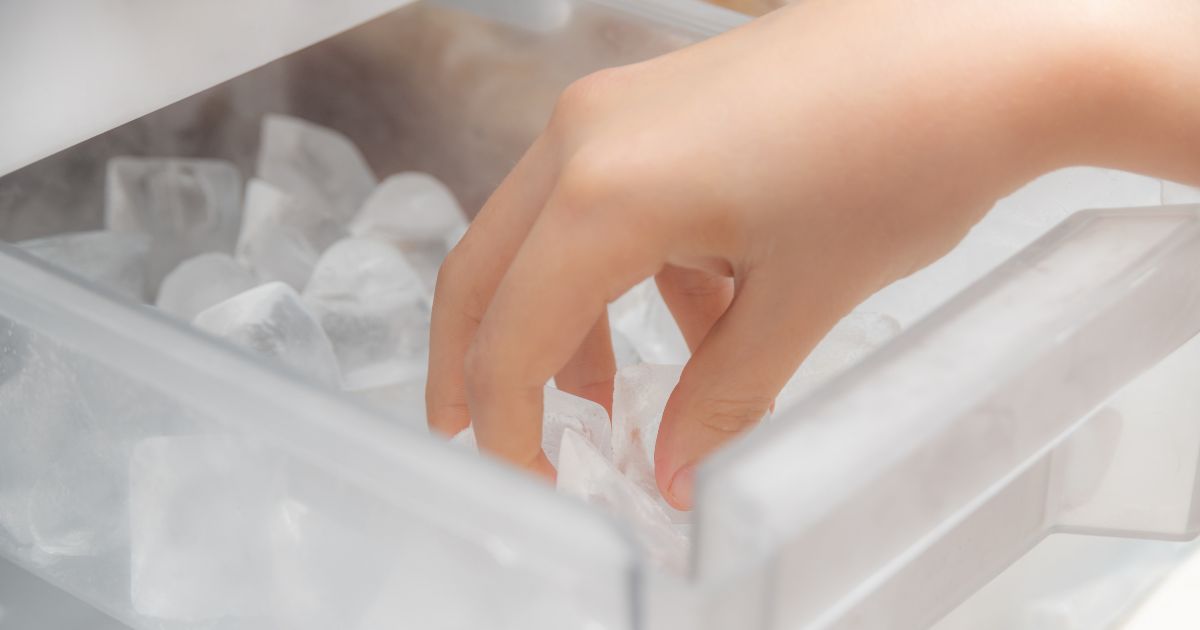
Cloudy vs. Clear: Is There a Difference?
You might also notice some ice cubes are perfectly clear, while others are cloudy or opaque. Is one better than the other? The cloudiness usually comes from trapped air bubbles and impurities in the water. As water freezes, it usually starts from the outside in, pushing any dissolved gases and minerals towards the center. If it freezes fast enough, these are all locked in, creating that cloudy appearance.
Clear ice, on the other hand, is usually made by freezing water slowly and directionally, allowing gases and impurities to escape. This is why fancy cocktails often feature perfectly clear ice – it melts slower, tastes purer, and just looks incredibly elegant. So while cloudy ice isn't "bad," clear ice is often preferred for a cleaner, more refined experience. Think of it like the difference between a rough-cut gemstone and a perfectly polished one.
So, What’s the Verdict?
Can ice go bad? Not in the way your leftover pizza goes bad. It won't grow mold or make you sick. But its quality, taste, and appearance can definitely degrade over time. Here’s the quick recap:
- Taste: It can absorb odors from your freezer, making your drinks taste stale or like whatever else is in there.
- Appearance: It can shrink and become pitted due to sublimation.
- Safety: Still perfectly safe to consume, just not as pleasant.
Tips for Peak Ice Performance
If you’re keen on having the freshest, tastiest ice possible, here are a few simple tricks:
- Use filtered water: This reduces impurities and leads to better-tasting ice.
- Cover your ice trays or bin: This is crucial for preventing odor absorption and slowing down sublimation.
- Clean your ice maker/trays regularly: A good scrub with soap and water can remove any residue or lingering smells.
- Rotate your ice: Don't just keep adding new ice on top of old. Try to use the older ice first, or periodically empty and refill your ice bin.
So, the next time you reach for that frosty cube, you can do so with confidence, knowing a little more about its quirky journey from liquid to solid and back again. Your ice isn't "bad," it's just got a story to tell – probably about that leftover tuna casserole! Keep it fresh, keep it covered, and enjoy those perfectly chilled sips.