Does Having Solar Panels Increase Home Value
Ever look up at a sunny roof and wonder about those sleek, dark panels soaking up the rays? Solar panels! They've gone from a futuristic dream to a relatively common sight. But beyond the environmental benefits and potential energy savings, a big question bubbles up for homeowners: Does having solar panels actually increase your home value? It's a relevant question, especially as more and more people consider making the switch to renewable energy. After all, buying or selling a home is often the biggest financial decision of our lives, so understanding how solar impacts that is pretty important, and frankly, pretty interesting!
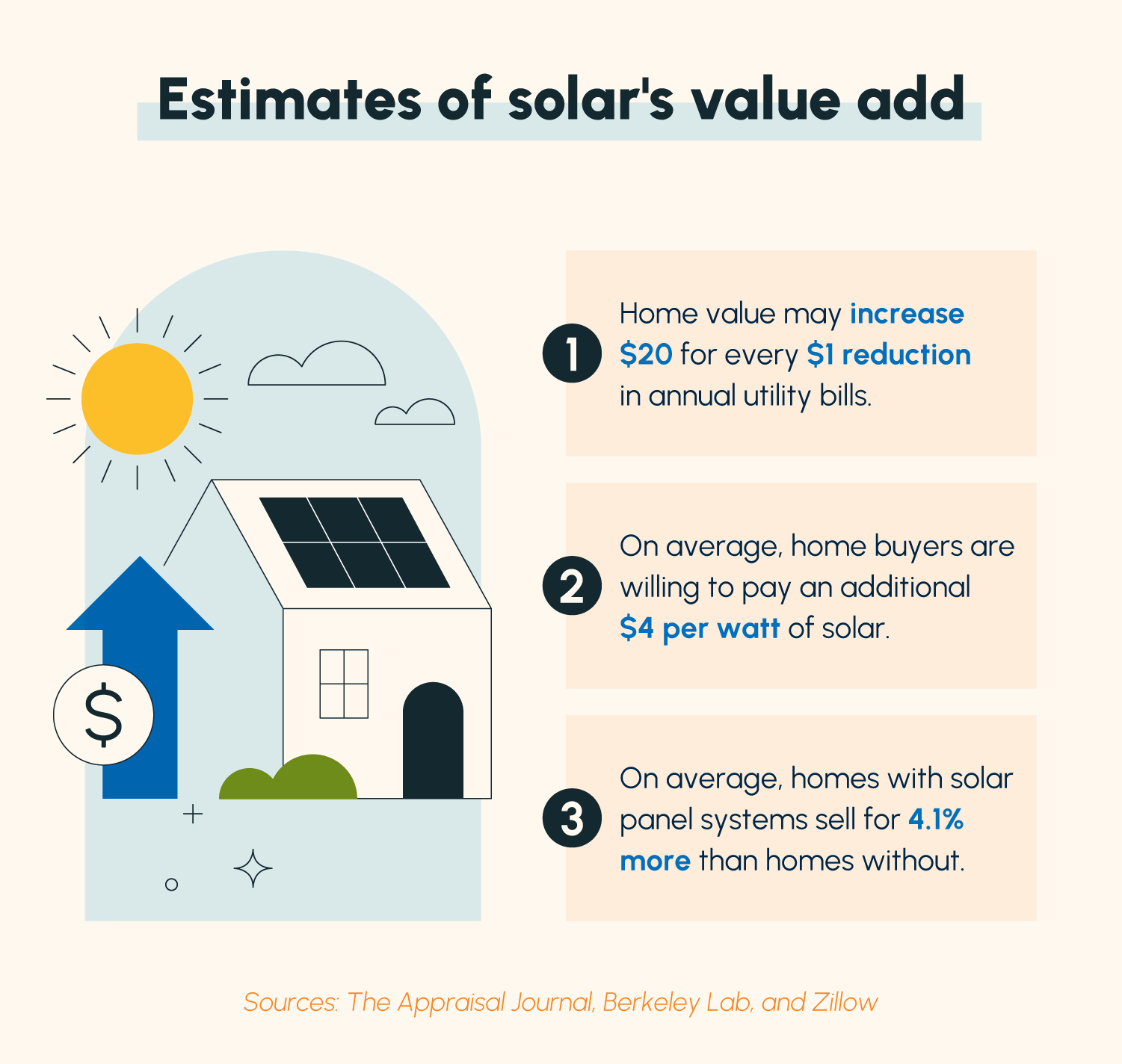
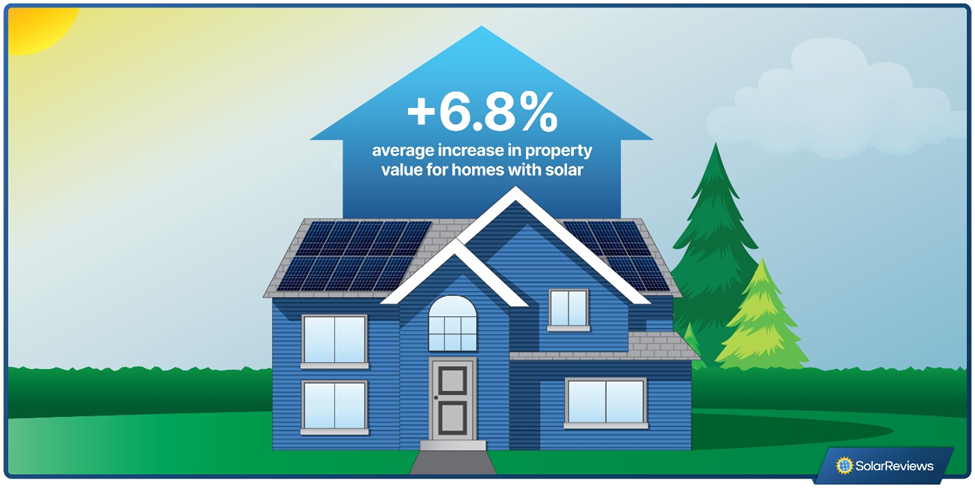
So, what's the deal with solar panels and home value? The main purpose of solar panels, of course, is to generate electricity from sunlight. The benefits are pretty clear: reduced or even eliminated electricity bills, a smaller carbon footprint (you're using cleaner energy!), and a feeling of contributing to a more sustainable future. But in the context of home value, the real benefit lies in the potential to make your home more attractive to buyers. Think about it: a home that comes with pre-paid (or significantly reduced) electricity costs is a very appealing prospect, especially in times of rising energy prices. That appeal can translate into a higher selling price.
Imagine this scenario: a young family is house hunting. They're juggling school expenses, childcare costs, and the general anxieties of modern life. They tour two identical houses. One has standard electricity bills, and the other boasts a fully functioning solar panel system with years of life left and demonstrably lower utility costs. Which house do you think will catch their eye? The one offering long-term savings and a conscious step towards environmental responsibility! This is a simplified example, but it highlights how solar panels can provide a competitive edge in the real estate market.
Must Read
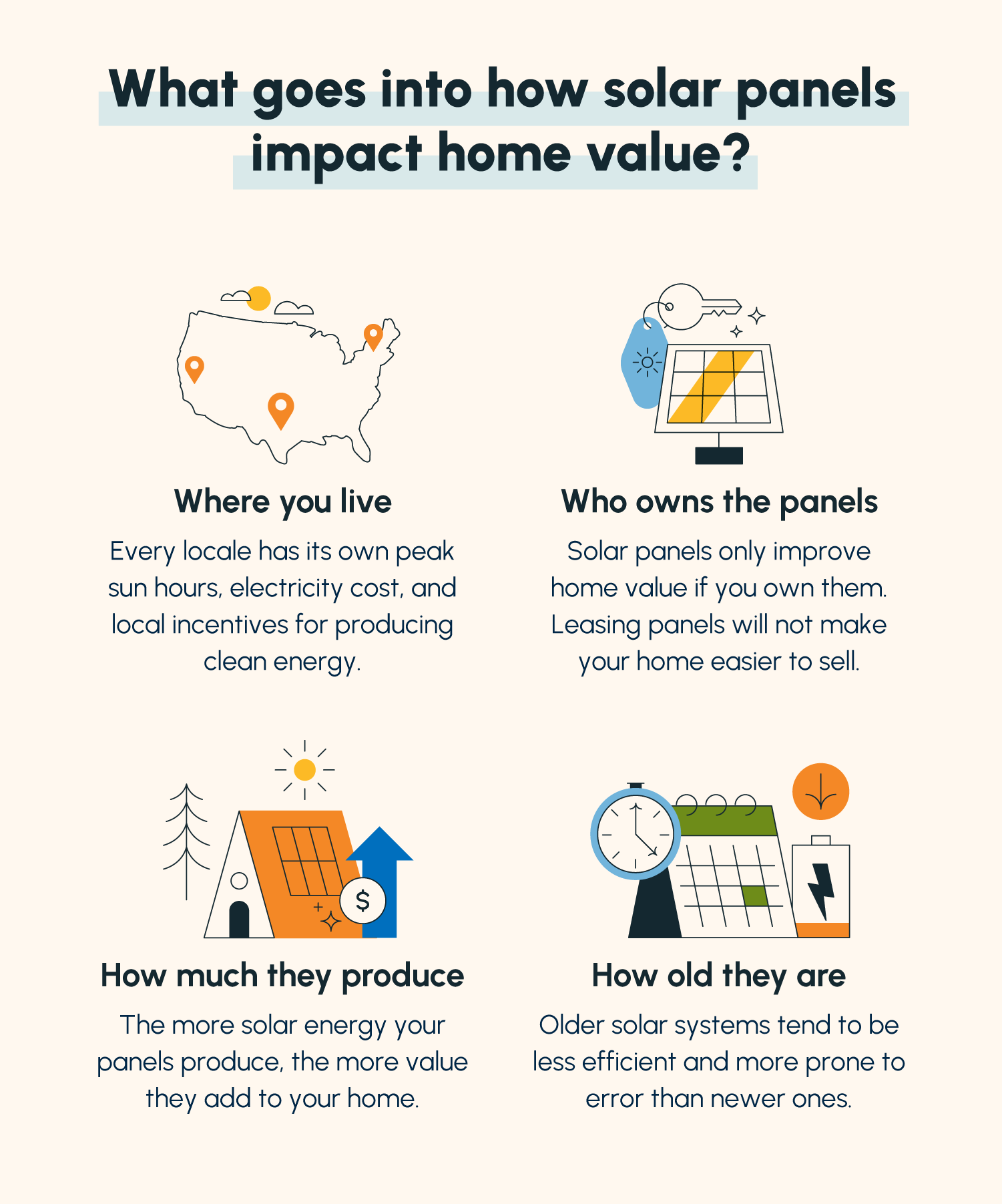
But it's not always a straightforward equation. Factors like the age of the system, the quality of the panels, the specific local market, and even the homeowner's financing arrangement (are the panels owned outright or leased?) all play a role. In some areas, solar panels are practically expected, while in others, they're still a novelty. A fully owned system generally adds more value than a leased one, as the new homeowner inherits the benefits without ongoing payments. Leased systems can be a bit more complex, potentially requiring transfer agreements and buyer approvals.
Want to explore the impact of solar panels on home values in your area? A great first step is to talk to a local real estate agent experienced with solar properties. They'll be able to give you insights into current market trends and buyer preferences. You can also research comparable homes in your neighborhood – are homes with solar panels selling for more? Online tools like Zillow and Redfin can provide some data points, but always remember to take those estimates with a grain of salt. Another practical tip: get your solar system appraised professionally. This will give you an accurate assessment of its current value and its potential contribution to your home's overall worth.
Ultimately, whether or not solar panels increase your home value depends on a variety of factors. However, with careful planning and a good understanding of your local market, solar panels can be a smart investment that not only benefits the environment but also enhances the appeal and potential resale value of your home.