
Does Gas Go Bad In A Gas Can

Ah, the trusty gas can. It sits there, a silent sentinel in the garage, ready for lawnmower duty, generator emergencies, or that weekend adventure requiring a little extra juice for the ATV. But let's be real: how often do we actually think about what's inside that can, beyond the initial fill-up? Does that amber liquid, brimming with potential energy, have a shelf life? Or does gas, like a fine wine (but, you know, not), just get better with age?
Spoiler alert: it absolutely goes bad. And surprisingly quickly, too. We’re not talking about a subtle shift in flavor here; we’re talking about a chemical transformation that can turn your power tools into paperweights and your weekend plans into a frustrating trip to the mechanic.
The Science of Spoilage: Why Gas Gets Grumpy
Think of gasoline as a highly energetic, somewhat temperamental cocktail of hydrocarbons. When it's fresh, it's a marvel. But leave it exposed to the elements – particularly air and heat – and things start to unravel. This process is primarily due to oxidation, where oxygen molecules attack the fuel, causing it to break down. It's similar to how an apple turns brown when exposed to air, just with more bang (or lack thereof).
Must Read
Then there's the notorious villain of modern fuel: ethanol. While great for reducing emissions, ethanol is like a sponge for water. It actively absorbs moisture from the air, introducing H2O into your fuel system. This water can then separate from the gasoline (a process called phase separation), creating a layer of water and ethanol at the bottom of your tank or can. And guess what? Your engine does NOT run on water and ethanol. Plus, water can cause rust and corrosion in fuel lines and carburetors.
How Long Is Too Long? The Shelf Life Breakdown
This is where things get a bit squishy, as it depends on several factors. But here's a general guideline for regular pump gas (the kind with 10-15% ethanol, or E10/E15):
- Unstabilized in a sealed can: Expect it to last anywhere from 3 to 6 months. After that, its potency significantly diminishes, and the breakdown process accelerates.
- Ethanol-free gas: If you're lucky enough to find pure gasoline, it generally lasts longer – sometimes up to 8-12 months unstabilized, thanks to its resistance to water absorption.
- With fuel stabilizer: This is your secret weapon! A good quality fuel stabilizer can extend the life of regular pump gas to 12 months or even longer, often up to two years, if stored correctly.
Remember, these are estimates. Factors like extreme temperature fluctuations (your shed heating up and cooling down), direct sunlight, and how well the can is sealed can all impact longevity.
Savvy Storage & Smart Solutions: Practical Tips for Fresh Fuel
Nobody wants to waste fuel or, worse, ruin an engine. So, let's get proactive!

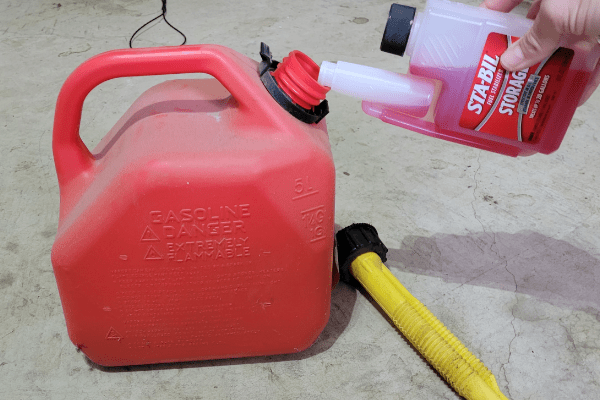
1. Embrace the Stabilizer: This is arguably the most important tip. For anything that sits for more than a month or two – lawnmowers during winter, generators between power outages, boats in the off-season – adding a quality fuel stabilizer (like STA-BIL or PRI-G) when you fill the can is a game-changer. It prevents oxidation and phase separation. It's like adding a preservative to your favorite jam!
2. Seal It Tight: Ensure your gas can's lid is always securely fastened. This minimizes air exposure and reduces the chance of moisture getting in. A loose cap is an invitation for trouble.
3. Cool, Dark & Dry: Store your gas cans in a location that's cool, dark, and dry. A shed or garage corner is ideal, away from direct sunlight and heat sources. Think of it like storing good coffee – consistent, moderate temperatures are key.
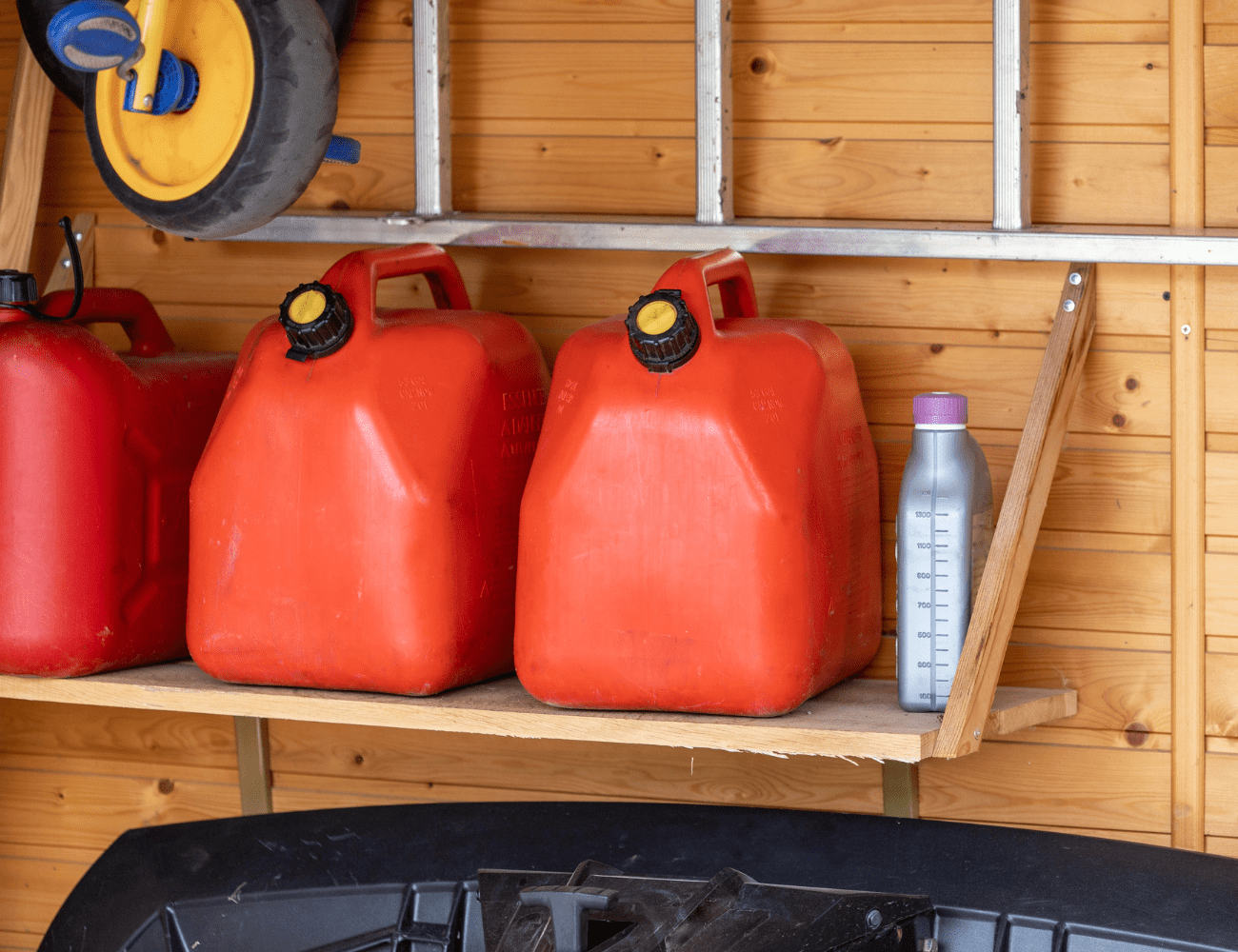
4. Label & Date: Grab a permanent marker and scrawl the fill date on your gas can. This simple act removes all guesswork. No more playing "guess the age of this gas"! You'll thank yourself later.
5. Buy Only What You Need: While it's tempting to stock up, resist the urge to buy huge quantities of gas if you don't use it regularly. Smaller, more frequent purchases mean fresher fuel.
The Tell-Tale Signs: How to Spot Bad Gas
Your senses are your first line of defense:
- Smell: Fresh gasoline has a distinct, petroleum smell. Old, bad gas often smells sour, stale, or even like varnish or lacquer thinner. It's an unpleasant, pungent odor.
- Appearance: Fresh gas is typically clear and light yellow/amber. Bad gas might look darker, cloudy, or even have visible sediment or rust-colored particles floating in it. If you see two distinct layers, that's phase separation, and it's definitely bad news.
What to Do with the Dud
So, you've got a can of suspect fuel. Do not just pour it down the drain or onto the ground – that's a definite environmental no-no. Your best bet is to contact your local hazardous waste disposal facility or a reputable auto repair shop. Many will accept old fuel for proper recycling or disposal, often for a small fee.
A Little Foresight Goes a Long Way
It might seem like a small thing, worrying about gas going bad. But in the grand scheme of things, it's another reminder that taking a little extra care and planning can save us headaches, money, and frustration down the road. Just like checking the expiration date on your milk or giving your plants a timely drink, minding your fuel is a simple act of preparedness that keeps your engines humming and your plans on track. Here's to fresh fuel and smooth sailing!