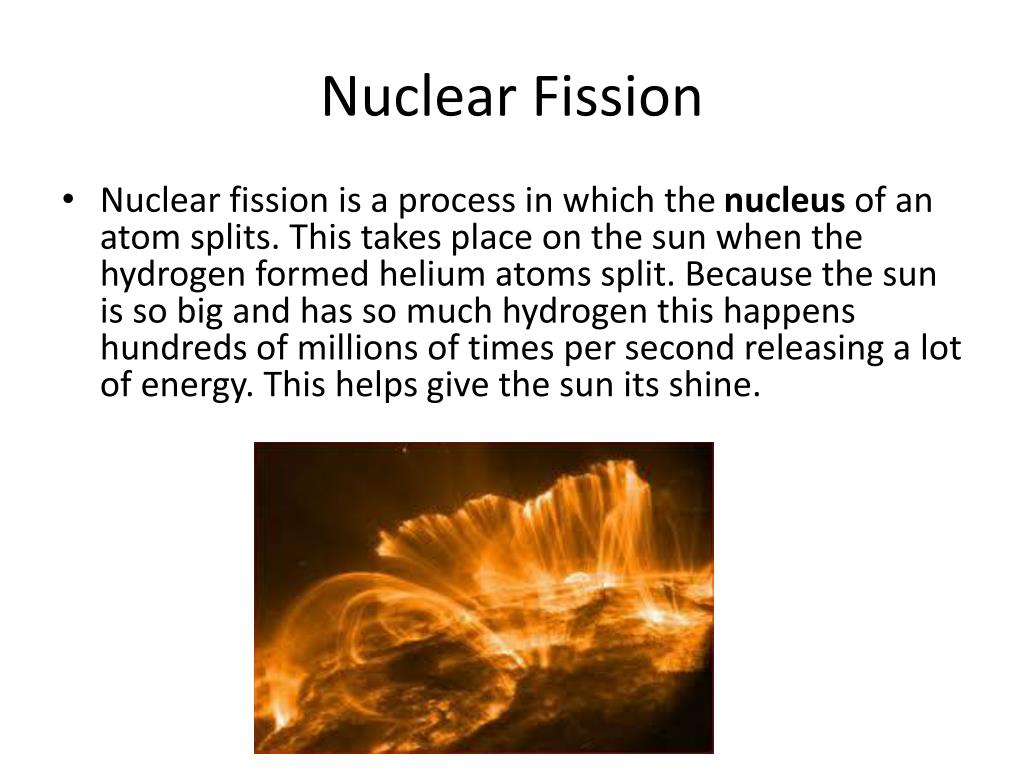
Does Fission Occur In The Sun
Have you ever looked up at our magnificent sun and wondered, "How on Earth (or rather, in space) does it produce so much energy?" It's a question that has puzzled humanity for ages, and understanding the answer is not only fascinating but also helps us grasp the fundamental forces that govern our universe. The idea of nuclear power plants here on Earth often makes us think of "fission" – the splitting of atoms. So, it's a perfectly natural thought to ask: Does fission occur in the sun?
This topic is a true crowd-pleaser because it delves into the very core of what makes our star shine and sustain life. It’s useful for demystifying complex science and seeing how scientists figure out such colossal puzzles. It really gets you thinking about the sheer power and intricate physics behind everything we see.
For beginners, understanding the sun's energy source is a fantastic gateway into astrophysics and nuclear physics. It breaks down intimidating terms into understandable concepts. Families can turn this into a wonderful learning opportunity – imagine discussing the incredible power of stars during a clear night of stargazing! It sparks curiosity in children and encourages scientific inquiry. Even hobbyists, from amateur astronomers to armchair physicists, will find satisfaction in solidifying their knowledge about our most important star and comparing its processes to the nuclear technologies we've developed on Earth.
Must Read
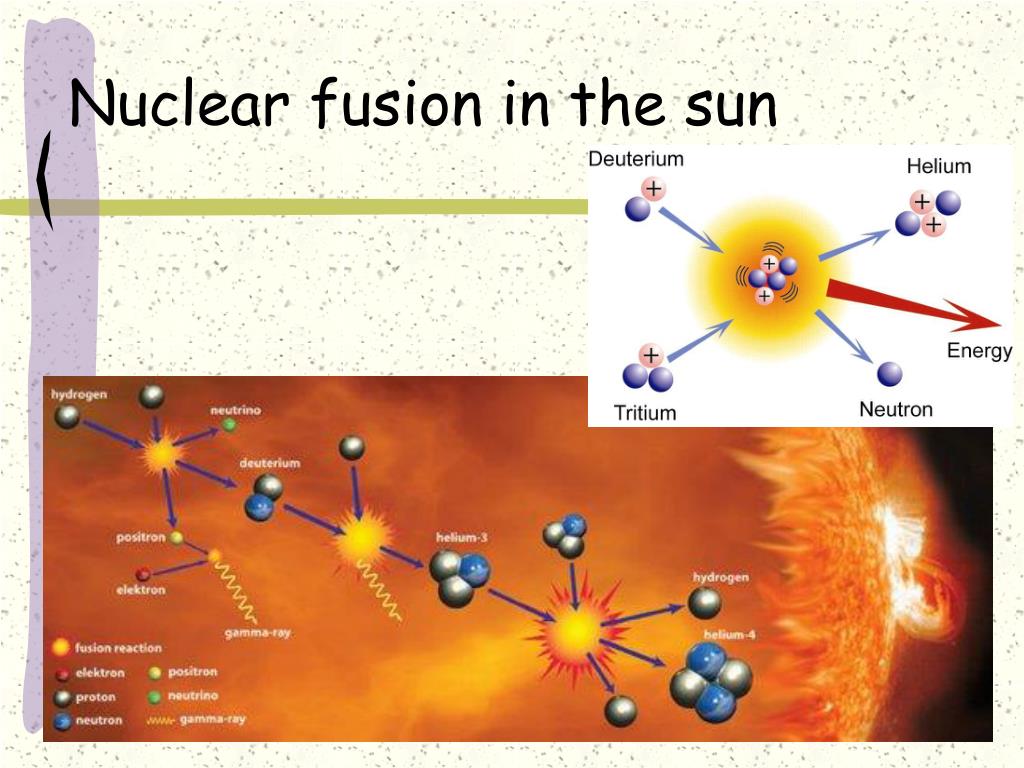
So, let's get to the heart of it. While nuclear power plants on Earth rely on nuclear fission, which involves splitting heavy atoms like uranium or plutonium to release energy, the sun operates on a different principle altogether. Our sun is a colossal nuclear reactor, but it's powered by nuclear fusion. Instead of splitting heavy atoms, fusion involves combining light atomic nuclei – specifically, hydrogen atoms – to form heavier ones, like helium. This process releases an absolutely tremendous amount of energy, far more than fission, which is why the sun has been shining so brightly for billions of years.
Think of it like this: fission is like breaking a big log into smaller pieces to release stored energy, whereas fusion is like squishing two small twigs together with immense force until they become one new, slightly smaller log, releasing even more energy in the process. The sun has the perfect conditions for fusion: incredibly high temperatures (millions of degrees Celsius) and immense pressure due to its gravity, which forces hydrogen nuclei to fuse together. These conditions are not conducive to fission of heavier elements, which are also far less abundant in the sun's composition.

Curious to learn more? Getting started is easy! You can find fantastic resources online from institutions like NASA, ESA, and reputable science education channels on YouTube. Many science museums have interactive exhibits explaining nuclear energy and the life cycle of stars – a great outing for families. For a more hands-on approach, you could even try modeling atoms with play-doh or craft supplies, creating a visual representation of how small particles combine or split. Discussing these concepts with friends or a science teacher can also deepen your understanding and spark new questions.
Understanding that our sun is a magnificent fusion reactor, rather than a fission one, truly highlights the amazing diversity of nuclear processes in the universe. It's a powerful reminder of how unique and awe-inspiring our cosmos is, and how much there is to learn. The journey to understanding such profound cosmic mechanisms is a deeply enjoyable and valuable pursuit, connecting us more intimately with the stars themselves.