Does Fire Alarm Detect Gas Leak

Picture this: you're chilling on the couch, maybe re-watching an old sitcom, and suddenly, you catch a whiff of something… off. Not burnt toast (we've all been there, trust me), but something a little more sinister. Immediately, your eyes dart to that white, round disc on the ceiling – the fire alarm. A tiny bead of sweat forms on your brow. Your heart does a little jig. You think, "Surely, this thing will tell me if something’s seriously wrong, right?"
It’s a perfectly natural thought! After all, it screams at you when you look at a toaster the wrong way. So, a gas leak? That’s gotta be on its radar, right? Well, let's pull back the curtain on this little mystery, shall we?
The Straight Scoop: Your Fire Alarm's Job Description
Here’s the deal: your standard-issue smoke detector, the one that usually gets a workout during your ambitious attempts at making pancakes, is kind of a specialist. Its job? To detect smoke. And sometimes, its fancier cousins might detect unusual heat. Think of it like this: you wouldn't ask your cat to bark at an intruder, would you? (Unless your cat is truly exceptional, in which case, please send videos.)
Must Read
The fire alarm is designed with sensors specifically tuned to pick up tiny smoke particles or a rapid rise in temperature. It's like having a super vigilant, very loud little sentry whose sole mission is to warn you about fiery situations.
Gas Leaks: A Whole Different Ballgame
When it comes to detecting gas leaks, we're talking about a completely different set of skills. Different gases, different sensors. It's like asking your smartphone to make you a cup of coffee. It's amazing, but it just doesn't have the right parts for that particular gig.
So, if you’re smelling something like rotten eggs (that's usually mercaptan, the odor added to natural gas so you can smell it, because natural gas itself is odorless – sneaky, right?), your regular smoke alarm is going to be as clueless as a chameleon in a bag of Skittles. It simply doesn't have the nose for it.
Who's On Gas Duty, Then?
Alright, so if the fire alarm is off duty for gas detection, who is on the clock? Enter the unsung heroes: gas detectors.
Carbon Monoxide (CO) Detectors
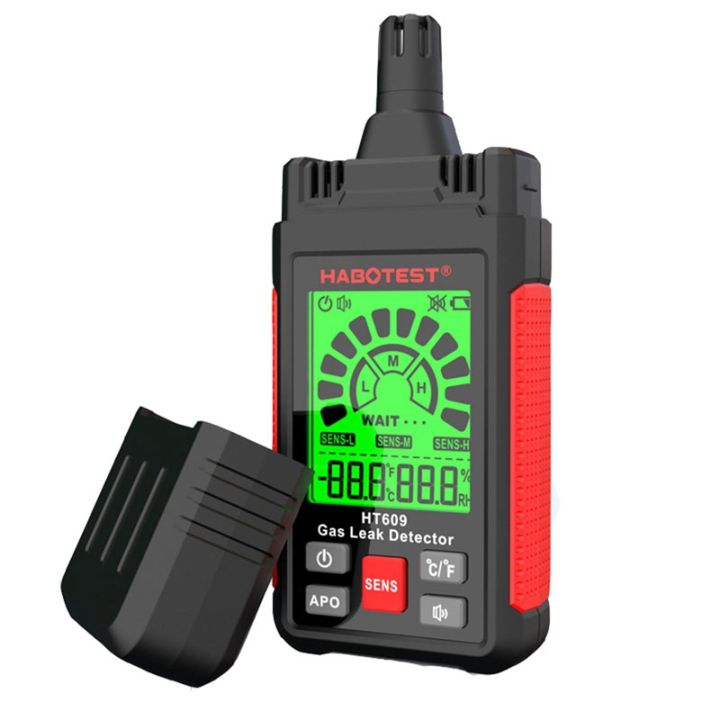
You might already have one of these, often confused with smoke alarms because they look similar and also live on your walls or ceilings. CO detectors are specifically designed to sniff out carbon monoxide – an invisible, odorless, tasteless gas that’s a byproduct of incomplete combustion (think faulty furnaces, water heaters, or gas stoves). This stuff is super dangerous, hence why these detectors are absolutely crucial. But even a CO detector is only looking for CO, not natural gas or propane. It’s another specialist!
Natural Gas and Propane Detectors
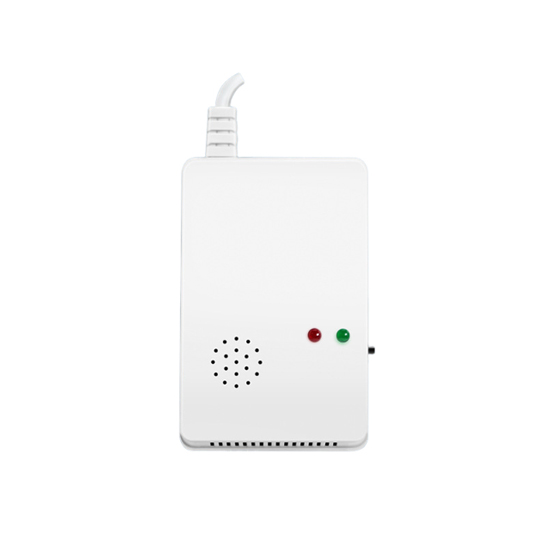
These are the devices you need for actual gas leaks from your stove, water heater, or furnace (if they run on gas) or from propane tanks. They come in various forms, some plug into outlets, others are wired in. They're designed with specific sensors to detect the molecular presence of combustible gases like methane (natural gas) or propane. If you’ve got gas appliances, these are your silent guardians against a potentially very explosive situation.
The Takeaway: Different Jobs, Different Tools
It boils down to this: we often lump all these life-saving gadgets into one big "alarm" category, but they’re actually a team of highly specialized professionals. Asking a smoke alarm to detect a gas leak is like asking a plumber to fix your car engine. Both are vital, both deal with potential disasters, but they're using entirely different toolkits and skill sets.
So, the next time that suspicious smell wafts through your home, remember: your fire alarm is probably just standing by for a smoke signal. If you suspect a gas leak (that rotten egg smell, or a hissing sound), don't wait for any alarm to go off. Get out immediately, and once you're safely away from the house, call your gas company or 911. Better safe than sorry, and definitely better to have the right alarm for the right job!
Keep your smoke detectors singing, your CO detectors sniffing, and your gas detectors on high alert. That way, you can go back to your sitcom, knowing you’re covered for whatever unexpected dramas life (or your appliances) throws your way!