
Does Electric Dryer Use A Lot Of Electricity
Laundry day! It's a never-ending story, right? We wash, we fold, we repeat. But have you ever paused and wondered about that trusty appliance, the electric dryer? Does it secretly guzzle electricity like a thirsty monster? Let's dive in!
The Dryer Dilemma
Okay, so here's the deal. Electric dryers are convenient. Super convenient. Toss in your wet clothes, press a button, and voila! Warm, fluffy goodness awaits. But that convenience comes at a cost. And that cost is… electricity! The big question is, how much electricity?
Think about it. You're basically blasting hot air through a rotating drum. That takes power! Lots of it. Electric dryers are notorious for being among the biggest energy hogs in your home. They rank right up there with your air conditioner and water heater. Ouch.
Must Read
Numbers, Numbers Everywhere!
Ready for some numbers? Don't worry, it won't be a math test. The average electric dryer uses somewhere between 3,000 and 5,000 watts. That's a pretty wide range, I know. It depends on the model, how old it is, and what settings you're using.
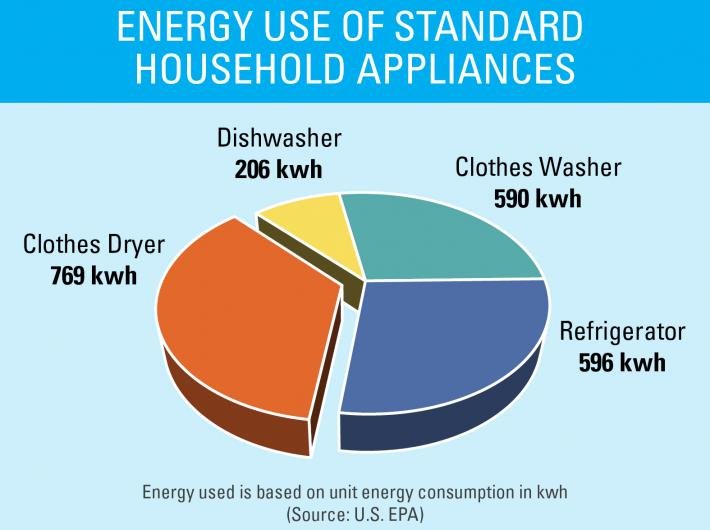
Let's put that into perspective. A typical washing machine uses way less – maybe around 500 watts. Your refrigerator, while running almost constantly, uses a relatively small amount of power at any given moment. So, yeah, the dryer is a power player. You can almost hear it saying, "More juice, please!"

Want another fun fact? An electric dryer can use twice as much electricity as your washing machine for a single load! Mind blown?
The Cost of Fluffiness
So, what does all this mean for your wallet? Well, that depends on your electricity rates. But generally, drying clothes can add a noticeable chunk to your monthly electric bill. It's not going to break the bank, but it's definitely worth considering.
Imagine this: you're doing laundry every week. Maybe even multiple loads a week. All those drying cycles add up! It's like a tiny electric meter goblin is slowly siphoning away your hard-earned cash. Okay, maybe not a goblin. But you get the idea.
Become a Dryer Detective!
Want to figure out exactly how much your dryer is costing you? There are a few things you can do. First, check your dryer's energy guide label. It'll give you an estimate of how much energy the dryer uses per year. Then, compare that to your electricity rates. Boom! You've got a rough estimate.
You can also get a fancy energy monitor. These gadgets plug into the wall and measure the actual electricity usage of your appliances. It's like having a personal energy accountant! Prepare to be amazed (or maybe slightly horrified) by what you discover.
Tips to Tame the Dryer Beast
Okay, so your dryer is a power hog. What can you do about it? Don't despair! There are ways to minimize the damage.

- Air Dry Whenever Possible: This is the simplest and most effective solution. Sunshine is free! Plus, it's good for your clothes.
- Clean the Lint Trap: A clogged lint trap makes your dryer work harder and longer. Clean it after every load! Seriously.
- Don't Overdry: Clothes that are bone dry are often overdried. Take them out while they're still slightly damp.
- Use Moisture Sensors: Many newer dryers have moisture sensors that automatically shut off when your clothes are dry. These can save a surprising amount of energy.
- Consider a Gas Dryer: Gas dryers are generally more energy-efficient than electric dryers. However, they require a gas line connection.
Remember that your clothes dryer is convenient and provides a great way to dry your clothes in a short amount of time. But consider the usage and maybe choose another option if it is possible.
The Bottom Line
So, does an electric dryer use a lot of electricity? The answer is a resounding "Yes!" But don't panic. By being mindful of your usage and implementing a few simple strategies, you can keep those energy bills in check. Now go forth and conquer laundry day… armed with knowledge!
Think of it this way: you're not just doing laundry. You're becoming an energy-saving superhero! You’re battling the forces of excessive electricity consumption, one load of laundry at a time. And that, my friends, is pretty darn awesome.