Does Dryer Use Gas Or Electric
:max_bytes(150000):strip_icc()/gas-dryer-vs-electric-dryer-2146251_FINAL-5bbe54b846e0fb00511f28f4.png)
Ever stood in front of your whirring dryer, happy that your laundry is getting fluffy and warm, and wondered, "How does this magical box actually work?" It’s a question many of us ponder, perhaps while folding warm towels or when looking at our utility bills. Understanding whether your dryer sips on gas or gulps electricity isn't just for appliance geeks; it's a really fun and practical piece of knowledge that can help you save money, make smart choices, and just generally feel more in tune with your home!
This little insight offers benefits for all sorts of folks. For beginners, maybe someone setting up their first apartment or buying their first home, knowing the difference is crucial for ensuring you have the right hookups and understanding your utility options. Do you need a gas line, or just a heavy-duty electrical outlet? For families, it's a key part of managing household budgets. Gas and electricity rates vary, and knowing which one fuels your laundry can help you understand those monthly statements better and even inform decisions about energy-saving habits or appliance upgrades. And for the home hobbyists or DIY enthusiasts, understanding the power source means you're better equipped to troubleshoot, consider new installations, or simply appreciate the engineering behind your everyday conveniences.
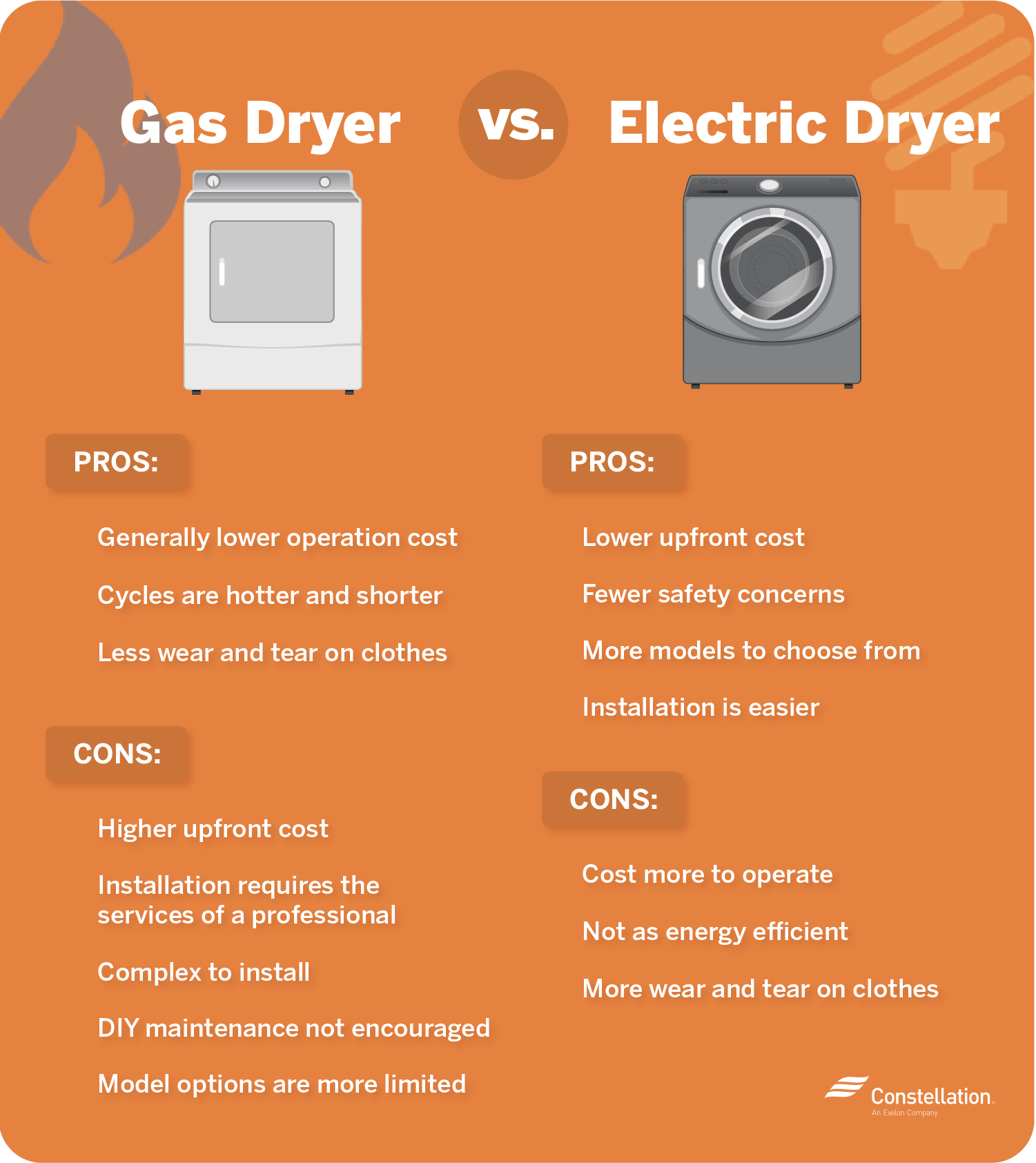
So, what's the deal? Well, dryers primarily come in two main flavors: electric and gas. An electric dryer is typically powered by a 240-volt outlet (it's a larger, often three or four-pronged plug, different from your standard wall outlets). It uses electric heating elements to generate the hot air that dries your clothes. On the other hand, a gas dryer connects to a natural gas line (or sometimes propane) and uses a small igniter to light a gas burner, which then heats the air. You'll see a gas line connection, usually a flexible hose, on the back of these machines. There are also newer variations like heat pump dryers, which are a type of electric dryer that reuses hot air more efficiently, but the core principle of heating still applies.
Must Read
Getting started with figuring out your dryer's fuel source is super simple! First, take a peek at the back of your appliance. If you see a thick power cord with a large, distinct plug, you most likely have an electric dryer. If you spot a flexible hose connecting to a gas line in the wall, then congratulations, you're running a gas dryer! You can also check your utility bills; a spike in your gas usage might point to a gas dryer, while a higher electricity bill could indicate an electric one. When buying a new dryer, always check your home's existing hookups. It's much easier to buy a dryer that matches what you already have!
Ultimately, understanding whether your dryer uses gas or electric isn't just about trivia; it's about being an informed homeowner. It empowers you to make smarter choices about energy consumption, appliance maintenance, and even future purchases. So next time you pull out that warm, fluffy load, give a little nod to the energy source working hard behind the scenes – you’ll feel a bit more connected to the magic of modern convenience!