Does Copper Have Nickel In It

Ever glanced at a shiny coin, perhaps a dime or a quarter, and pondered its metallic makeup? Or maybe you've got a favorite piece of jewelry, a kitchen pot, or even some plumbing pipes, and wondered what exactly they're crafted from? It's a surprisingly common question that leads us down a fascinating path into the world of metallurgy: Does copper have nickel in it? It might sound like a simple yes or no, but the answer is a little more nuanced and incredibly useful for understanding everything from your loose change to potential skin irritations.
Understanding the relationship between copper and nickel isn't just for metal enthusiasts. It's practical knowledge that can help you identify materials, appreciate why certain items behave the way they do, and even navigate common issues like nickel allergies. Knowing what's in your everyday objects is key to appreciating their properties and making informed choices, ensuring you don't end up with an unexpected rash or a mystery about your metalware.
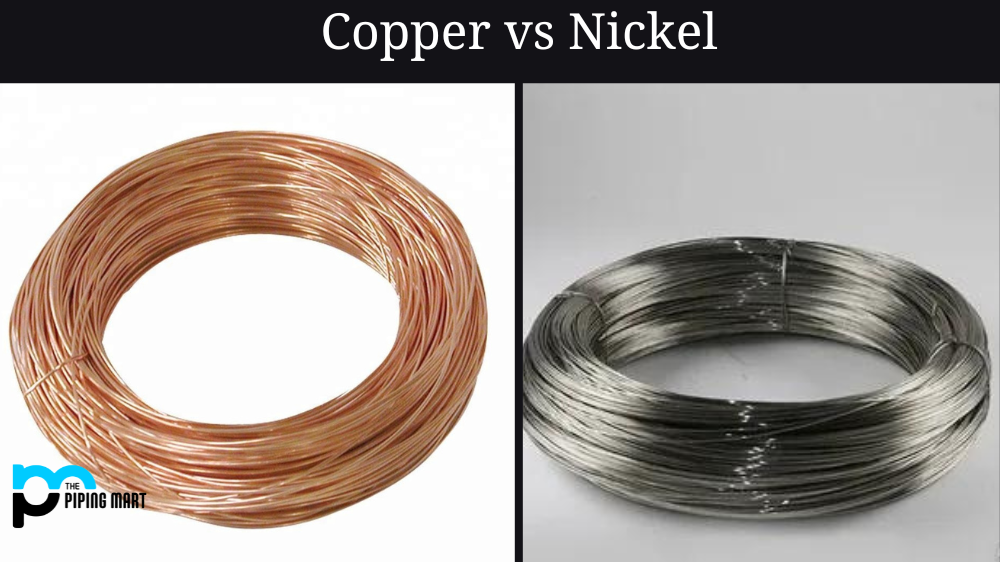
Let's get straight to it: Pure copper, by itself, does not contain nickel. Copper is an element, a distinct metal with its own unique properties – known for its reddish-brown color, excellent electrical conductivity, and malleability. So, if you have a piece that is 100% pure copper, there's no nickel hiding in there. Think of electrical wires or certain artisanal crafts; these are often pure copper.
Must Read
However, here's where it gets interesting and where the confusion often arises: many items we commonly encounter and might perceive as copper are actually copper alloys. An alloy is a mixture of two or more metals (or a metal and another element) designed to create a material with enhanced properties that neither individual metal possesses on its own. And guess what one of the most popular alloying partners for copper is? You guessed it: nickel!
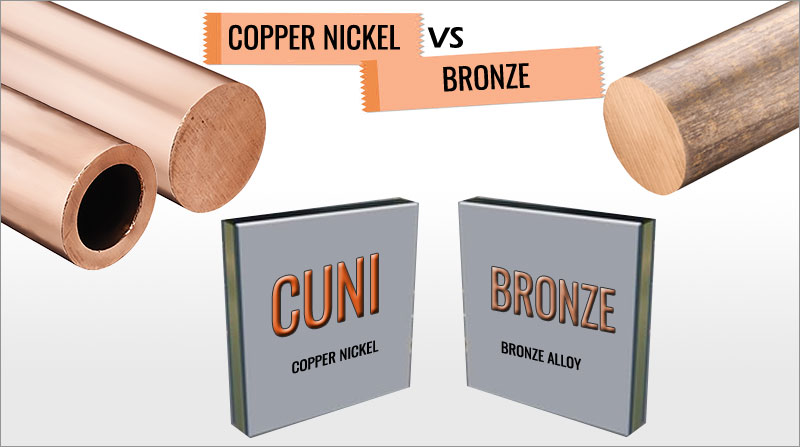
The most prominent example of this partnership is cupronickel. This isn't just a fancy word; it's a specific type of alloy composed primarily of copper with nickel as a significant component. For instance, common US coins like dimes, quarters, and half-dollars are actually made of cupronickel (typically 75% copper and 25% nickel, often clad over a pure copper core). This alloy is chosen for its exceptional durability, resistance to corrosion (especially in saltwater), attractive silvery appearance, and ease of minting. It's also widely used in marine applications and in some plumbing and electrical connectors where strength and corrosion resistance are paramount.
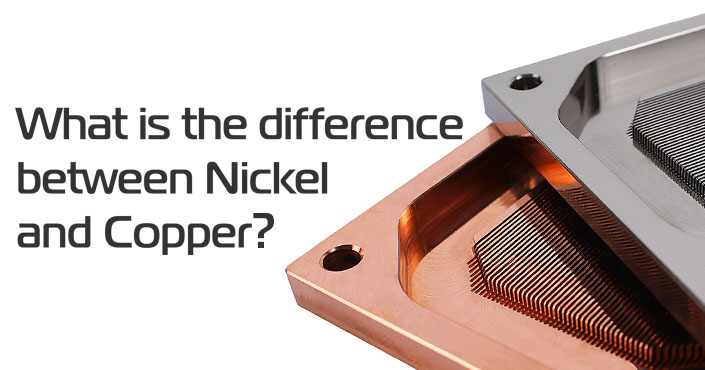
So, while pure elemental copper is nickel-free, many everyday items that look like copper or are derived from copper are indeed alloys that contain nickel. This distinction is particularly important for individuals with nickel allergies, as even small amounts of nickel in jewelry, coin edges, or belt buckles can cause skin irritation. When you see something that looks like copper but has a silvery sheen or is exceptionally durable, there's a good chance it's a copper-nickel alloy at play, expertly crafted to combine the best features of both metals.
In essence, while elemental copper stands alone, its collaboration with nickel in alloys like cupronickel creates incredibly versatile and useful materials that are integral to our modern world. So, the next time you hold a coin or admire a piece of metal, you'll know that the answer to "Does copper have nickel in it?" often depends on whether you're looking at a pure element or a brilliant metallic team-up!