Does Carbon Monoxide Detector Detect Gas Leak
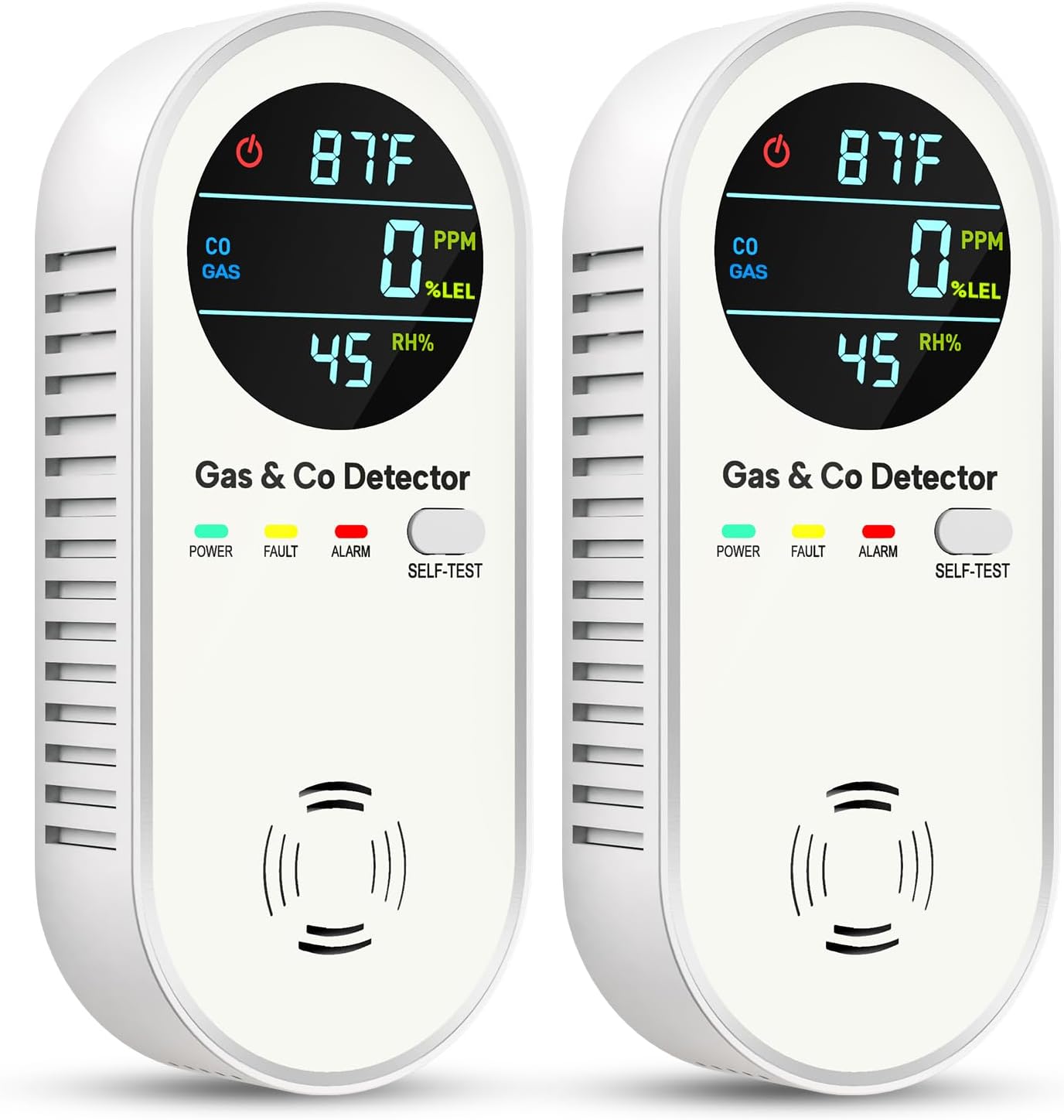
Ever wondered if that little gadget on your wall, the one that beeps incessantly when the battery's low, is a secret superhero? We're talking about the carbon monoxide detector, of course! Does it sniff out everything nasty floating in your air? Does it have a Spidey-sense for all kinds of dangers? Well, buckle up, because we're about to dive into a fascinating (and surprisingly entertaining) investigation.
Let's get straight to the point: Can your carbon monoxide detector do double duty and alert you to a gas leak? The short answer is… probably not. Think of it this way: it's like expecting your toaster to also do your taxes. They're both helpful, but they have totally different jobs.
Carbon monoxide (CO) is a silent killer. It's an odorless, colorless gas produced by burning fuels like wood, propane, or natural gas. Furnaces, fireplaces, cars… all these things can produce CO. A carbon monoxide detector is specifically designed to sense the presence of this particular gas. It uses a special sensor that reacts to CO, triggering an alarm when levels become dangerous. It's like having a tiny, dedicated CO-hunting robot in your home!
Must Read
Gas Leaks: A Different Breed of Beast
A gas leak, on the other hand, typically involves natural gas (methane) or propane. These gases are lighter than air and, thankfully, usually have a distinctive smell added to them by utility companies. That rotten egg smell? That's the "warning perfume" designed to make you say, "Uh oh, something's not right!"
Detecting a gas leak requires a different kind of sensor. Gas detectors specifically look for the presence of methane or propane. They often use catalytic or infrared sensors to identify these gases. They're like specialized bloodhounds, trained to sniff out a very specific scent.
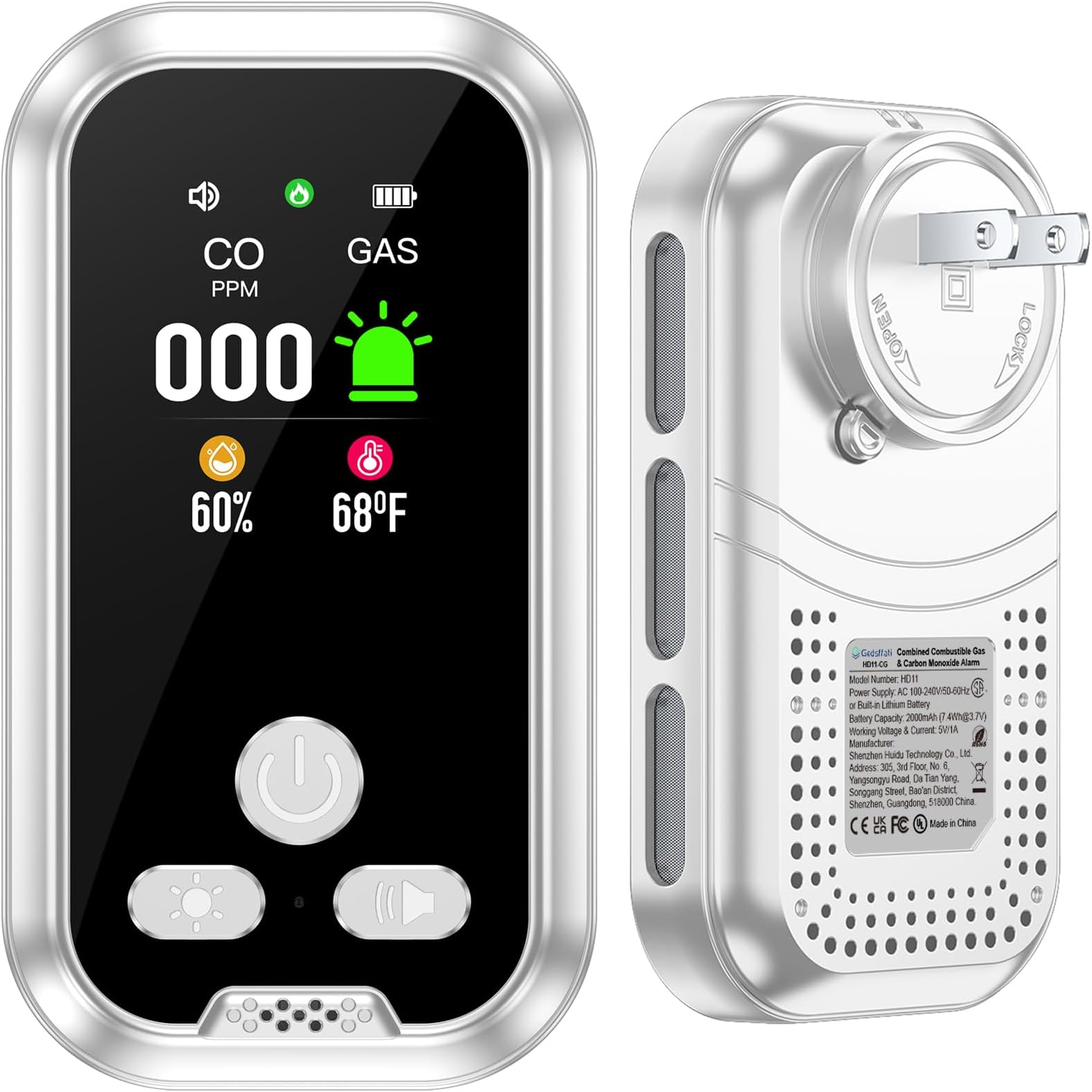
Think of it like this: a carbon monoxide detector is like a smoke detector, but for CO. It reacts to a specific dangerous byproduct of combustion. A gas leak detector is like a highly sensitive nose, picking up on the distinct aroma of escaping gas.
Why the Confusion?
So why do people often get them mixed up? Well, both CO and gas leaks are potentially dangerous, and both involve gases in our homes. It's easy to assume that one detector could handle everything! Plus, the stakes are high. Nobody wants to miss a potentially life-threatening hazard. That's understandable!
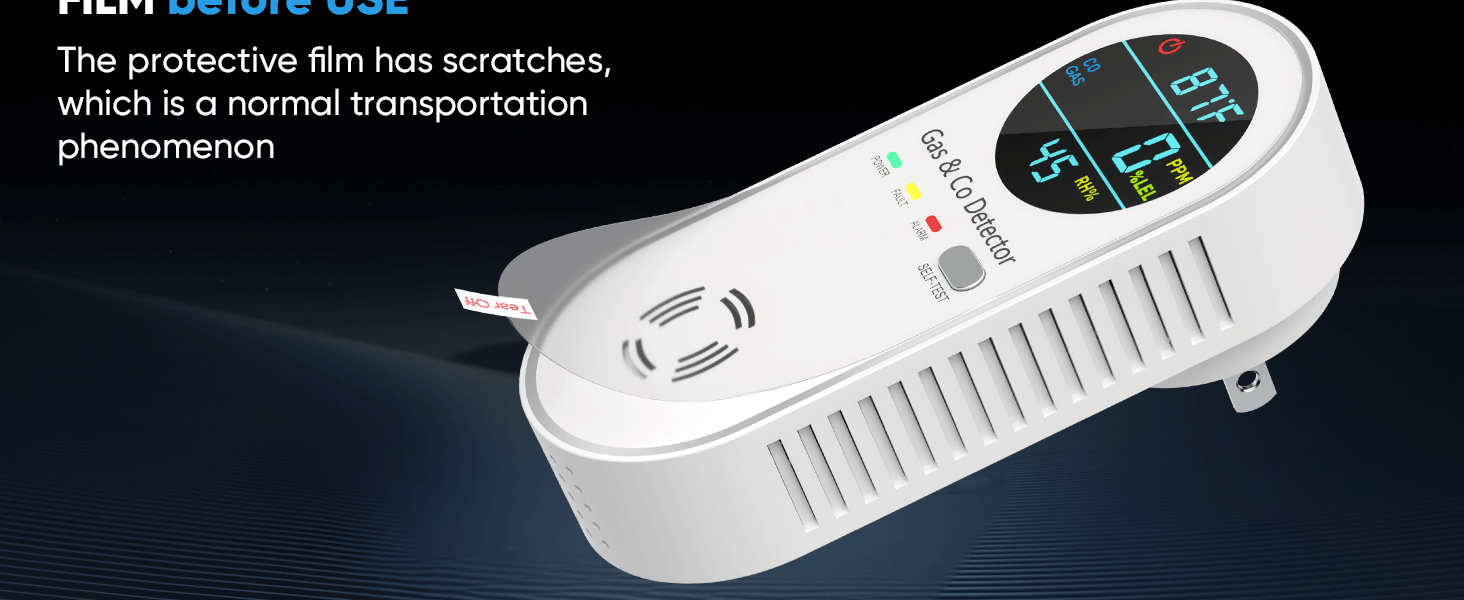
But here's a crucial point: relying on a carbon monoxide detector to detect a gas leak is like hoping your pet goldfish will guard your house. It's just not equipped for the job! You need the right tool for the right task. And in this case, that means a separate gas leak detector.
The Bottom Line: Don't Confuse Your Detectors!
So, to recap: a carbon monoxide detector is your guardian angel against the silent threat of CO poisoning. A gas leak detector is your nose in shining armor, ready to alert you to escaping natural gas or propane. One doesn't do the job of the other.

Now, here's the fun part! Why not take a moment to check your detectors? Make sure your carbon monoxide detectors are working properly and have fresh batteries. And if you're concerned about gas leaks, consider investing in a dedicated gas leak detector. It's a small price to pay for peace of mind.
And hey, while you're at it, why not tell your friends and family about the difference between these two important devices? You might just save a life! After all, being informed is the best kind of superpower. So go forth and spread the word about the amazing world of detectors! Be the hero your home needs.
Remember,
Safety first! And sometimes, safety means knowing the difference between your CO detector and your gas leak detector.