
Does Carbon Monoxide Alarm Detect Natural Gas
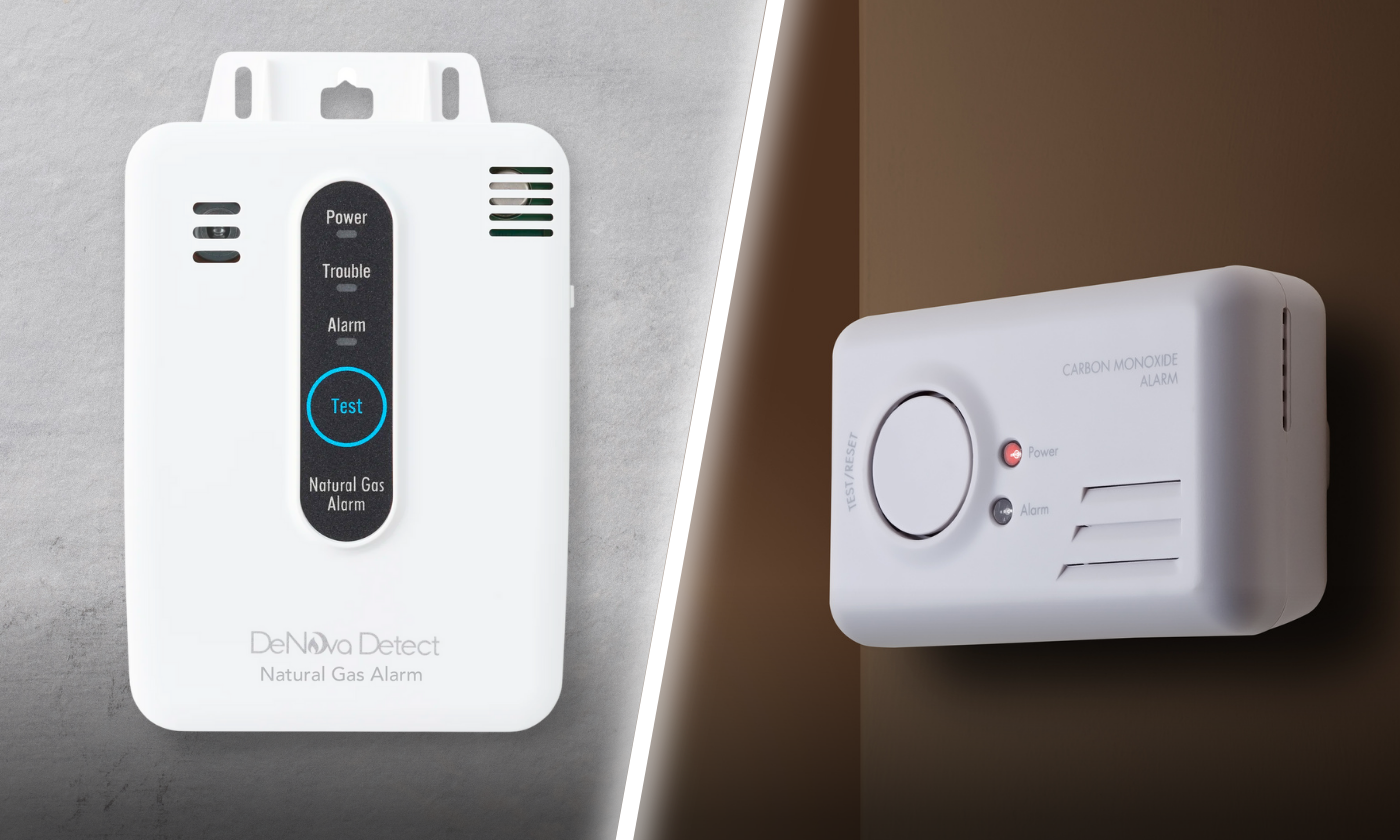
Okay, let's talk about something that might not be the most exciting topic in the world, but it's definitely a super important one: gas. No, not the kind that makes you giggle after a bean burrito. We're talking about natural gas and carbon monoxide – and whether that little beeping box on your wall can tell the difference between the two.
Imagine you're baking your famous chocolate chip cookies – the ones that everyone begs you to make. The oven's humming, the house smells divine, and all is right with the world. But what if something's not quite right with the gas line to your oven? Or what if your furnace decides to throw a tantrum in the middle of the night?
That's where alarms come in. But here's the big question: if there's a leak, will your carbon monoxide (CO) alarm go off? The short answer? Nope.
Must Read
CO vs. Natural Gas: They're Not Twins
Think of carbon monoxide and natural gas as cousins, not twins. They're related in that they often come from the same sources (like burning fuel), but they're completely different substances with different dangers.
Carbon monoxide is a silent killer. It's odorless, colorless, and tasteless. It’s like that ninja assassin that sneaks up on you when you least expect it. It's produced when fuels like gas, wood, propane, or kerosene don't burn completely. Faulty furnaces, blocked chimneys, or even running a car in a closed garage can cause CO to build up.
Natural gas, on the other hand, is mostly methane. It's used to power our stoves, heat our homes, and even dry our clothes. Usually, gas companies add a chemical called mercaptan to natural gas. Mercaptan gives it that distinctive rotten egg smell. It's not pleasant, but it's a life-saver! It's like the gas company's way of yelling, "Hey! Something's wrong! Get out!"

So, Why the Confusion?
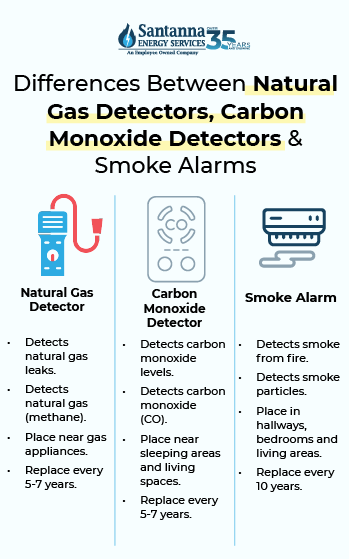
The confusion comes from the fact that both can be related to appliances that burn fuel. But CO alarms are specifically designed to detect carbon monoxide. They have sensors that react to the presence of CO molecules. Natural gas detectors have sensors calibrated to detect the presence of methane or other components of natural gas.
Think of it like this: a smoke detector is designed to detect smoke particles, not the heat of a fire. It won’t go off if you're just boiling water on the stove, but it will scream if you accidentally burn your toast (we've all been there!). Similarly, a CO alarm detects CO, and a natural gas detector detects natural gas. Each has its own job.
The Rotten Egg Smell: Your First Clue
Remember that rotten egg smell? That’s your primary warning sign for a natural gas leak. If you smell it, don't ignore it! It’s not just Aunt Mildred’s questionable cooking.
Here’s what you should do:
Get out! Leave the house immediately. Don't try to find the source of the leak.
*Don't turn on or off any lights or appliances. Even a spark from a light switch can ignite the gas.
*Call the gas company from outside. Use a cell phone or a neighbor's phone. Don't use your landline.
Stay away until the gas company says it's safe.
What Should I Get?
To protect yourself from both dangers, you ideally need two types of alarms: carbon monoxide detectors and natural gas detectors.
*Carbon Monoxide Detectors: Install them on every level of your home, especially near sleeping areas. Test them regularly, and replace them every 5-10 years (check the manufacturer's instructions).
*Natural Gas Detectors: Place them near gas appliances, like your stove, furnace, and water heater. Some natural gas detectors also detect propane, which is a bonus if you have propane appliances. Follow the same testing and replacement guidelines as CO detectors.

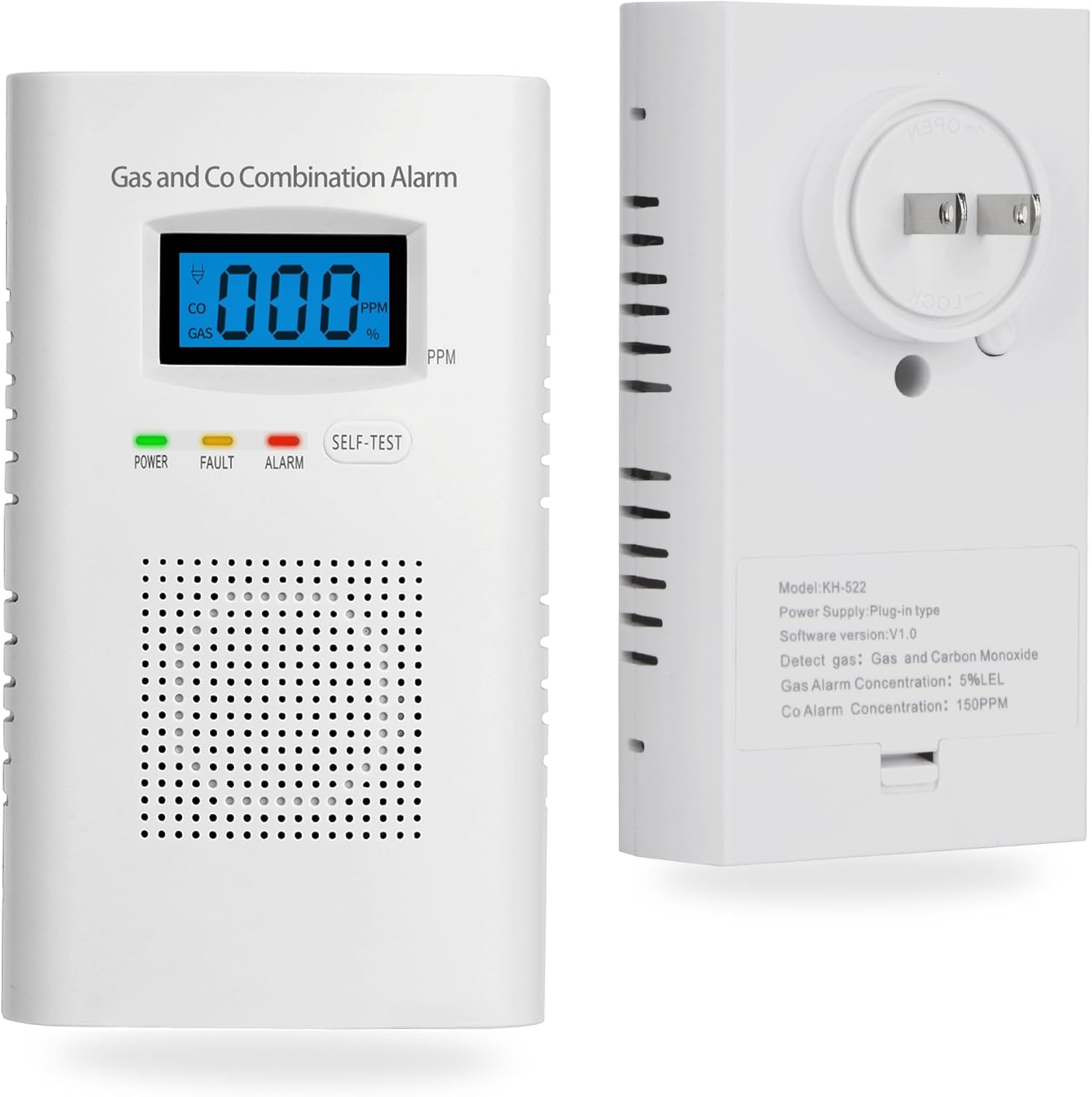
Some detectors combine both CO and natural gas detection into one unit. These can be a convenient option, but make sure they are certified by a reputable testing organization like UL (Underwriters Laboratories).
Peace of Mind is Priceless
Investing in both types of detectors might seem like an extra expense, but think of it as an investment in your safety and your family's well-being. It’s like having insurance, you hope you never need it, but you're incredibly grateful it's there if something goes wrong.
So, next time you're enjoying your cozy home, remember that little beeping box on the wall. Make sure it's doing its job, and that you have the right protection in place. A little bit of awareness and preparation can go a long way in keeping you safe and sound.
Because, honestly, who wants to deal with a gas leak or carbon monoxide poisoning when you could be enjoying those freshly baked chocolate chip cookies?