Does Burning Natural Gas Create Carbon Monoxide
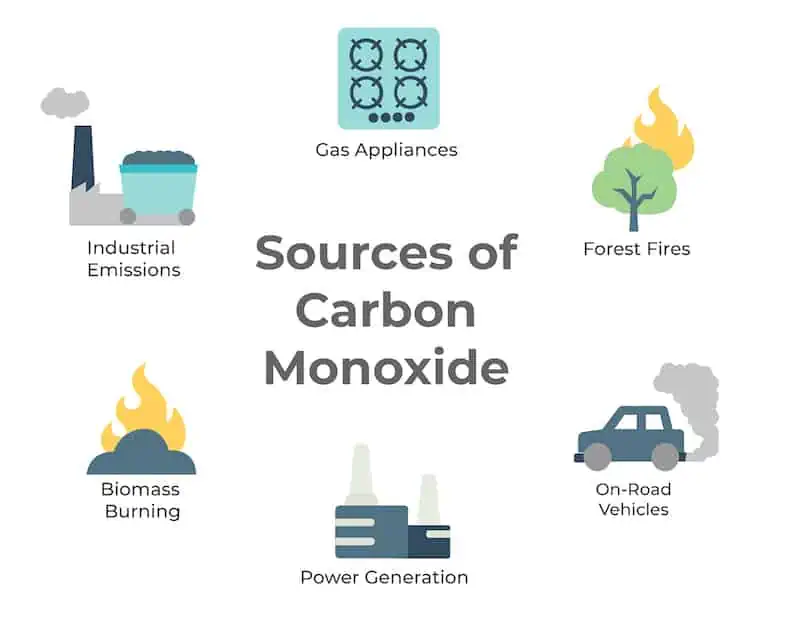
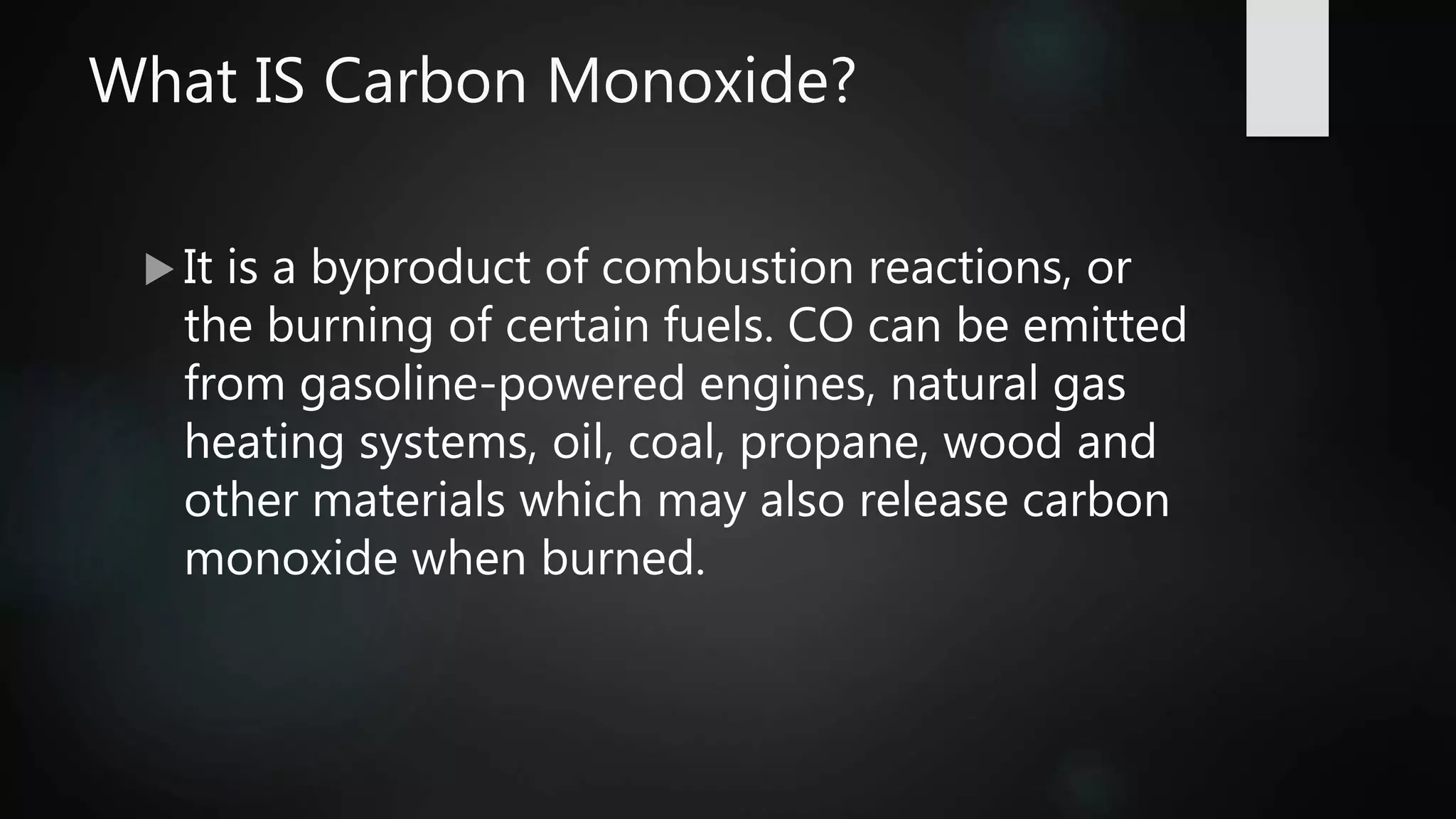
Okay, let's talk about something we all encounter, usually without even realizing it: burning natural gas. Think of your stove, your water heater, maybe even that cozy fireplace you fire up on chilly evenings. It all runs on natural gas. But does all this burning create carbon monoxide (CO)? It's a question worth asking because CO, well, it's not exactly the life of the party.
The Short Answer (Spoiler Alert!)
Alright, straight to the point: Yes, burning natural gas can produce carbon monoxide. But before you panic and start unplugging everything, let's unpack this a bit. It's not as simple as "gas = instant CO poisoning." Think of it like making toast. You can burn toast, but usually, you get golden brown deliciousness, right?
The "Complete Combustion" Dream
Ideally, when natural gas (mostly methane) burns, it undergoes something called complete combustion. This is the perfect scenario, the combustion equivalent of winning the lottery. In this dream world, the methane reacts with oxygen and produces only two things: carbon dioxide (CO2) – that greenhouse gas we’re all trying to reduce – and water (H2O). Imagine it like a perfectly balanced relationship; everyone gets what they need.
Must Read
Think of your car. When it's running smoothly, that catalytic converter is working its magic, trying to ensure mostly CO2 and water vapor come out the tailpipe. Of course, life isn't always a smooth ride, is it?
Enter the Villain: Incomplete Combustion
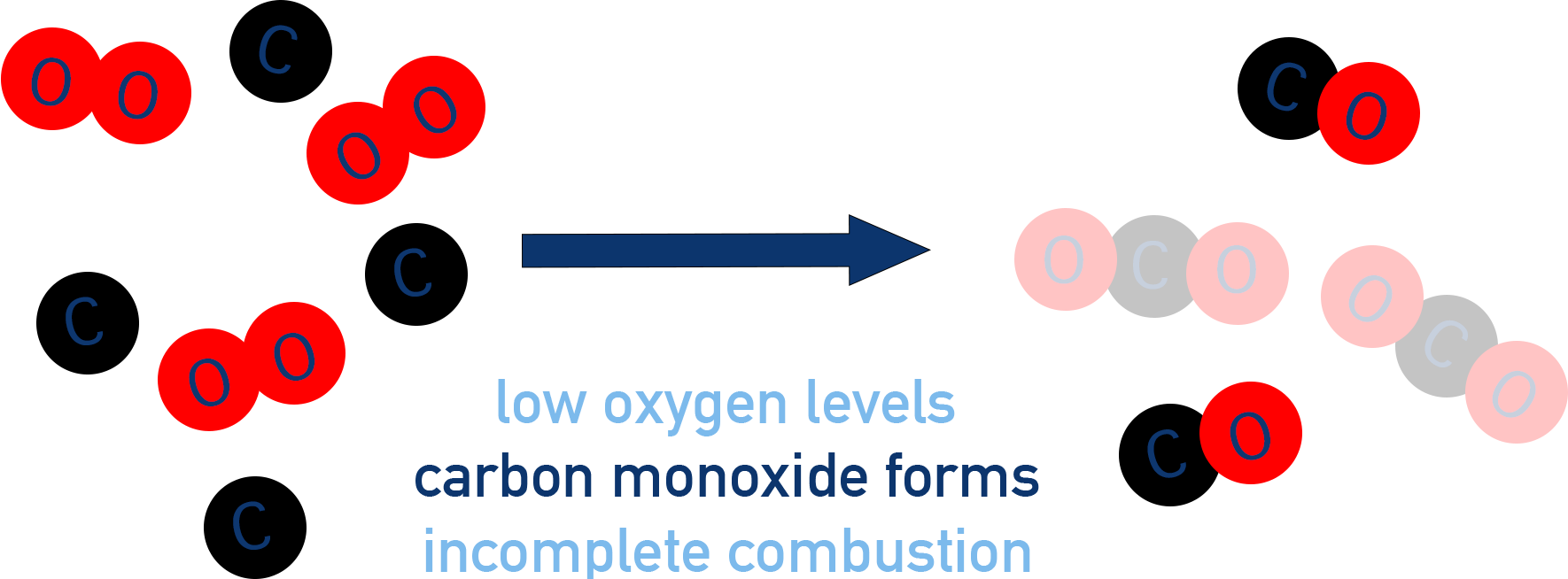
Now, let's introduce the villain of our story: incomplete combustion. This is where things get a little dicey. When there isn't enough oxygen for the natural gas to burn completely, you get a mix of products, including – you guessed it – carbon monoxide. CO is like that uninvited guest who shows up to the party and makes everyone uncomfortable.
Incomplete combustion is basically like trying to make a gourmet meal with only half the ingredients and a broken oven. You might end up with something edible, but it's probably not going to be pretty (or safe).
Why Does Incomplete Combustion Happen?
So, what causes incomplete combustion? Several factors can play a role:

- Insufficient Oxygen: This is the big one. If your appliance isn't getting enough fresh air, it won't be able to burn the gas completely. Think of a stuffy room – nobody can breathe properly, not even your gas appliance!
- Faulty or Poorly Maintained Appliances: Dirty burners, blocked vents, or malfunctioning parts can all disrupt the combustion process. It’s like trying to run a marathon with a sprained ankle. Not ideal.
- Improper Ventilation: If you're using a gas appliance in a confined space without proper ventilation, the oxygen levels can drop, leading to incomplete combustion. Think of using a gas stove to heat your apartment in the winter. Bad idea!
The Good News (and Common Sense)
Okay, so we know CO can be produced. But before you start hyperventilating into a paper bag, remember this: modern appliances are designed to minimize CO production. And, more importantly, there are things you can do to keep yourself safe:
- Install Carbon Monoxide Detectors: This is non-negotiable. Think of them as tiny, life-saving superheroes that constantly monitor the air for danger. Place them near sleeping areas and follow the manufacturer's instructions.
- Regularly Maintain Your Appliances: Get your furnace, water heater, and other gas appliances inspected and serviced by a qualified technician. It's like taking your car in for an oil change – it keeps things running smoothly and safely.
- Ensure Proper Ventilation: Don't block vents or air intakes. If you're using a gas appliance, make sure the room is well-ventilated. Open a window, turn on a fan – give that CO somewhere to go!
- Never Use Gas Appliances for Heating: This is a big no-no. Don't use your oven or stove to heat your home. It's incredibly dangerous and can lead to CO poisoning.
The Takeaway
Burning natural gas can produce carbon monoxide, but it's not a foregone conclusion. By understanding the factors that contribute to incomplete combustion and taking simple safety precautions, you can enjoy the benefits of natural gas without the risks. Think of it as being a responsible adult – boring, maybe, but definitely worth it in the long run. Now, go check those CO detectors!