Does Attic Fan Help Cool House

Ah, summer. The sun-drenched days, the longer evenings… and the ever-present battle against the rising mercury in your home. You've probably seen them, or at least heard the hum – those mysterious attic fans, perched atop roofs or tucked away in the highest reaches of your home. But do they actually do anything besides add another item to your utility bill? Let's pull back the curtain on this often-debated home accessory.
What Exactly Is an Attic Fan?
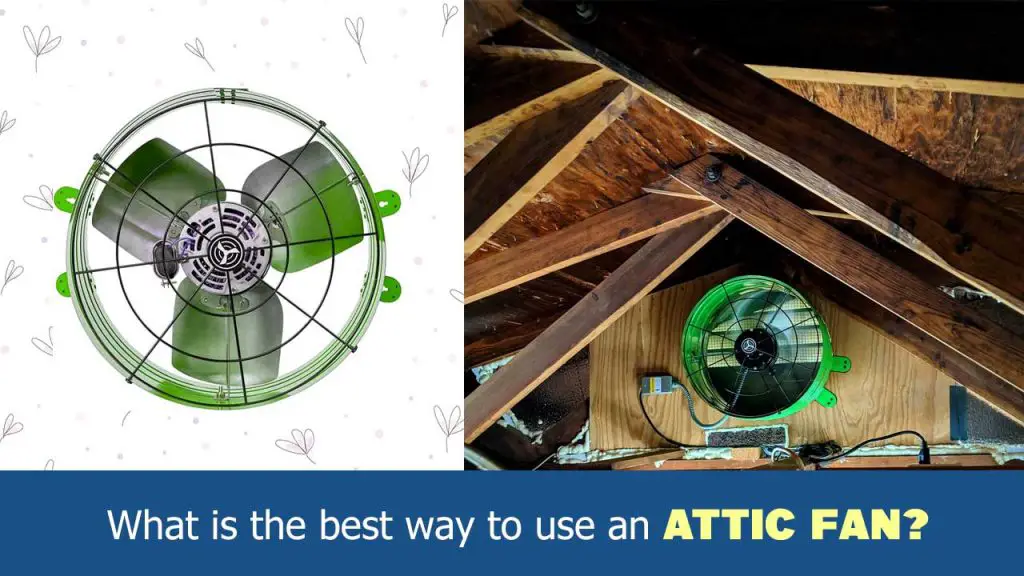
Before we dive into effectiveness, let’s quickly define our star player. An attic fan, sometimes called a whole-house fan (though that’s a different beast entirely, focusing on living spaces), is designed to do one simple thing: vent hot air out of your attic. It typically sits in a gable wall or on the roof itself, using a motor and blades to pull hot, stagnant air from the attic space, allowing cooler outside air to be drawn in through existing vents (like soffit vents).
So, Does It Help Cool the House? The Short Answer
The short answer, like many things in life, is it depends, but generally, yes, they can absolutely help. Think of your attic fan as a silent, diligent bouncer for your roof, constantly ushering out unwanted heat. It's not a magic bullet that will transform your home into an igloo, but it's a valuable player on the team dedicated to your home's comfort.
Must Read
Understanding the Heat Battle Above Your Head
Did you know that on a scorching summer day, your attic can reach temperatures of 150 degrees Fahrenheit or more? That's hotter than most saunas! This superheated air isn't just hanging out; it's actively trying to radiate its warmth down into your living space, making your air conditioner work overtime to combat what’s essentially a giant heat lamp above your ceiling. Your AC is literally fighting a losing battle against radiant heat. An attic fan intervenes by constantly flushing out this oven-like air.
The Benefits Beyond Just Feeling Cooler
- Takes the Load Off Your AC: By reducing the heat radiating into your home, your air conditioning unit doesn't have to work as hard, which can lead to lower energy bills and potentially extend the life of your AC unit. Efficiency, darling!
- Enhanced Comfort: Even if your AC is off, a cooler attic means less heat seeping through your ceiling. This creates a noticeable difference in overall indoor comfort, especially in upstairs rooms.
- Moisture Control: In humid climates, attic fans can help prevent moisture buildup, which is great for discouraging mold and mildew growth.
- Prolongs Roof Life: Extreme heat fluctuations can take a toll on roofing materials. By moderating attic temperatures, you might even be subtly extending the life of your shingles. Who knew?
But Wait, There's a Catch (or Two!)
While an attic fan sounds like a no-brainer, there are crucial considerations:

Insulation is King (and Queen!)
Here’s where a critical caveat comes in: an attic fan is not a substitute for good insulation. In fact, if you have poor insulation, the fan might be less effective. Think of insulation as your home's winter coat and summer shield. It creates the primary barrier. The fan supplements it by removing trapped heat that gets past the insulation.
Proper Ventilation is Non-Negotiable
An attic fan needs to 'breathe' properly. Without adequate intake vents (usually soffit vents under your eaves), that fan might just pull expensive, conditioned air out of your living space instead of just hot attic air. That's right, it could be sucking the cool right out of your house, which is the opposite of what you want! Make sure your soffit vents are clear and unobstructed.

Smart Operation is Key
Most attic fans are best when controlled by a thermostat, kicking on only when the attic temperature reaches a certain point (e.g., 90-100°F) and shutting off when it cools down. You don't want it running all the time, especially when it’s cooler outside than inside.
Practical Tips for a Cooler Attic and Home
- Check Your Insulation: Seriously, this is step one. Ensure your attic insulation meets recommended R-values for your climate zone.
- Inspect Those Vents: Clear any blockages from soffit and ridge vents. Spiderwebs, bird nests, or layers of paint can hinder airflow.
- Consider Solar Power: For an eco-friendlier and potentially cheaper-to-run option, look into solar-powered attic fans. They work when the sun is brightest (and hottest!), perfectly aligning with your cooling needs.
- Seal Air Leaks: Before thinking about a fan, ensure there are no significant air leaks from your living space into the attic. Seal around light fixtures, plumbing stacks, and access panels.
The Bottom Line: A Piece of the Puzzle
An attic fan isn't a standalone miracle worker, but it is a valuable player in the grand symphony of home cooling. When properly installed and paired with good insulation and adequate ventilation, it can significantly contribute to a more comfortable, energy-efficient home. It’s about creating a holistic system where every component works together to keep you feeling cool as a cucumber.
Ultimately, creating a comfortable home is a bit like conducting an orchestra – every instrument (insulation, ventilation, AC, and yes, even an attic fan) needs to play its part in harmony. Taking care of your attic means taking care of your whole home, turning your personal space into a sanctuary from the sweltering heat. Now, go forth and conquer those heat waves!