Does An Electric Stove Use A Lot Of Electricity
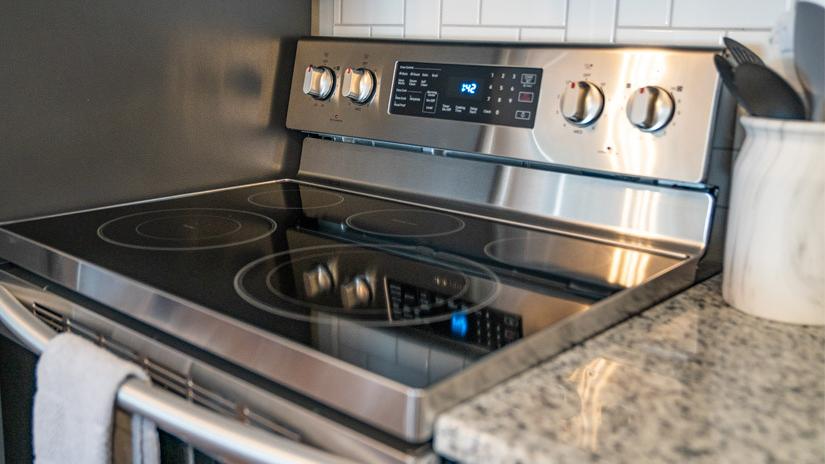
Okay, so we're talking electric stoves, huh? Like, the kind that make your electricity meter spin like a top? Ever wondered if that yummy pasta is secretly draining your retirement fund? Let's dive in!
The short answer? It can. But before you ditch your stove for a campfire (s'mores, anyone?), let's unpack this. Think of your electric stove like a hungry, hungry hippo... for electricity!
The Elephant (or Stove) in the Room: Wattage
Wattage is the name of the game, my friend! It's basically how much juice your stove sucks up when it's doing its thing. Most electric stoves have burners ranging from around 1200 watts to a whopping 3000 watts! Yikes! And the oven? Don't even get me started. We're talking maybe 2000-5000 watts, depending on its size. So, yeah, when everything's blazing, it’s drawing some serious power.
Must Read
But wait! There's a plot twist! It’s not just about wattage.
Time is of the Essence (and Electricity)
See, it's not just how much power your stove uses, but how long it's using it. A quick sear on high heat? Probably not a huge deal. Baking a triple-layer cake for three hours straight? Now we're talking. Think of it like leaving the lights on all night. Do you really need to illuminate the backyard for the squirrels?

Longer cooking times equal more electricity consumption. Simple, right? So, that slow-cooker recipe you found on Pinterest that simmers for 8 hours? Delicious, yes. But are you prepared for the electric bill reckoning?
So, How Much is This Actually Costing Me?
Okay, let's get down to brass tacks. How much is all this cooking costing you? Well, that depends on a few things:

- Your electricity rate (check your bill – it’s usually in cents per kilowatt-hour).
- How often you cook (are you a gourmet chef or a microwave master?).
- The temperature you're cooking at (high heat = more power).
- The efficiency of your stove (older stoves are often less efficient).
Plug those numbers into an online energy calculator, and you'll get a better idea. Or just close your eyes and hope for the best! (Just kidding… mostly!). Seriously though, knowing your rate and usage is key.
Tips to Tame the Electric Beast
Don't despair! You don't have to live on cold sandwiches forever. Here are some tips to keep your electric stove from eating your lunch money:
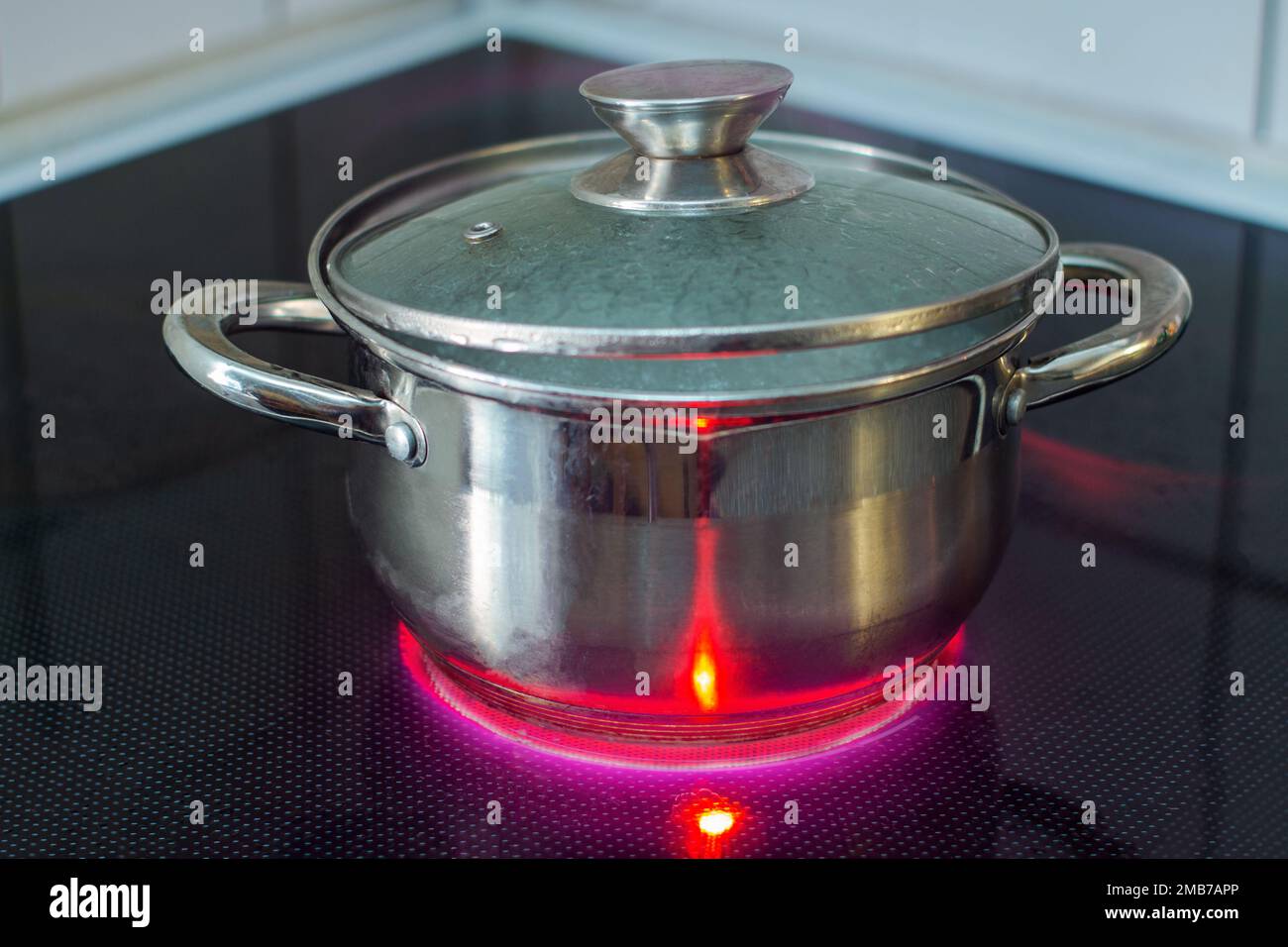
- Use the right burner size: Don't put a tiny pot on a giant burner. It's like wearing shoes ten sizes too big. Wasteful!
- Keep those burners clean! Burned-on food acts like insulation, making your stove work harder.
- Use a lid! Lids trap heat, so your food cooks faster and uses less energy. Plus, less splattering! Bonus!
- Consider induction: Induction cooktops are super energy-efficient. But they require special cookware (bummer!).
- Think batch cooking: If you're using the oven, bake multiple things at once. Two birds, one stone, less electricity!
- Embrace smaller appliances: A toaster oven or microwave might be more efficient for smaller tasks.
So, does an electric stove use a lot of electricity? It can, but with a little savvy, you can keep those energy costs under control. Now, if you'll excuse me, I'm off to make some toast. Efficiently, of course!
Happy cooking!