Does An Electric Fan Use A Lot Of Electricity

Let's be honest, nobody really wants to sweat through another summer. That's why the humble electric fan is a total hero! But, a question that's probably crossed your mind (especially when that electricity bill arrives) is: Does an electric fan use a lot of electricity? The answer, thankfully, is usually no! Let's break down why, and how you can keep cool without breaking the bank.
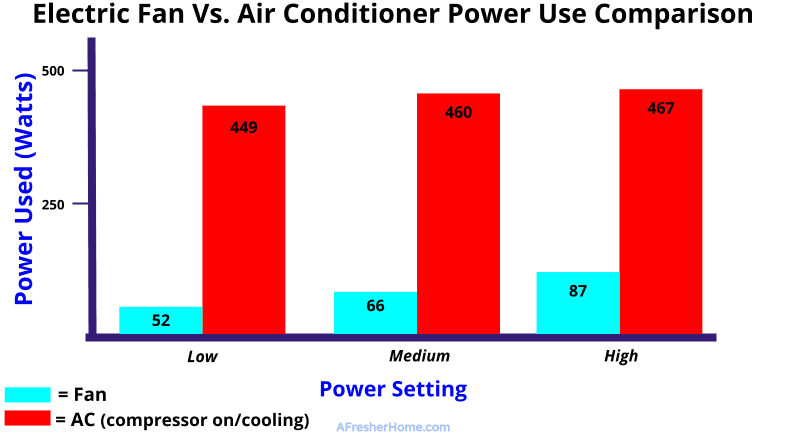
For Beginners: Think of it like this – a big air conditioner is like a gas-guzzling SUV, while a fan is more like a fuel-efficient scooter. Fans consume much less power than air conditioners. They don't actually cool the air; they just move it around, creating a breeze that evaporates sweat and makes you feel cooler. This simple action uses very little electricity.
For Families: With kids running around leaving lights on everywhere, energy efficiency is a big deal! Fans are a great option for keeping rooms comfortable without the massive energy drain of central AC. Using fans in conjunction with AC can also help. For example, you can turn the AC up a degree or two and use fans to circulate the cooler air, which reduces the amount of time the AC has to work so hard. Plus, different fans cater to different needs. A small desk fan is perfect for a child doing homework, while a larger tower fan can cool a whole living room.
Must Read
For Hobbyists (DIYers & Tech Lovers): You might be interested in the specific wattage of different fan types. A typical ceiling fan uses around 15-90 watts, while a box fan might use 50-100 watts. Even a powerful high-velocity fan rarely exceeds 150 watts. Compare that to a window AC unit that can draw 500-1500 watts! You can even get smart fans now that you can control with your phone or voice assistant. These often have features like timers and adjustable speeds to optimize energy usage.
Examples & Variations: Think about the range of fans available. There are ceiling fans (great for larger rooms), box fans (portable and affordable), tower fans (space-saving and often with oscillation), desk fans (personal and quiet), and even bladeless fans (stylish and modern). Some outdoor fans are designed to withstand the elements, perfect for patios and decks.
Simple, Practical Tips for Getting Started:
- Choose the right size fan for the room. A small fan in a large room won't be very effective.
- Use the fan speed wisely. Higher speeds consume more energy. Often, a lower speed is sufficient to create a comfortable breeze.
- Turn off fans when you leave the room. There's no point in cooling an empty space!
- Consider a programmable thermostat. This allows you to adjust the temperature automatically based on your schedule, potentially reducing your reliance on AC.
- Clean your fans regularly. Dust buildup can make them work harder and less efficiently.
So, breathe easy! Electric fans are generally a low-energy way to stay cool. By choosing the right type of fan and using it wisely, you can enjoy a comfortable summer without a shocking electricity bill. It's a simple, cost-effective, and often stylish way to beat the heat. Staying cool doesn't have to cost a fortune!