Does Air Move From Hot To Cold
Ever wondered why you feel a chilly draft near a closed window on a cold day, or why the air around a radiator always feels like it's heading upwards? It's not magic, it's just the fascinating dance of air! Understanding how air moves – especially between hot and cold spots – isn't just for scientists; it’s a super fun and useful insight into our everyday world. From feeling cozy at home to watching the weather, this simple principle is at play everywhere, making it a truly popular topic for anyone curious about the unseen forces around us.
This little piece of science offers big benefits for different folks. For beginners, it’s a fantastic way to grasp fundamental physics without cracking a textbook. It explains everything from why hot air balloons soar to why breezes form on a sunny beach. Families will find it a wonderful tool for engaging kids with simple home experiments – imagine them understanding why closing a door keeps the warmth in! It’s practical, tangible science that makes chores like setting the thermostat or choosing a comfortable spot in the room feel more intentional. And for hobbyists, whether you’re into home energy efficiency, gardening (understanding microclimates!), or just a keen observer of nature, knowing how air moves from hot to cold provides a deeper appreciation and gives you the power to manipulate your environment a bit better.
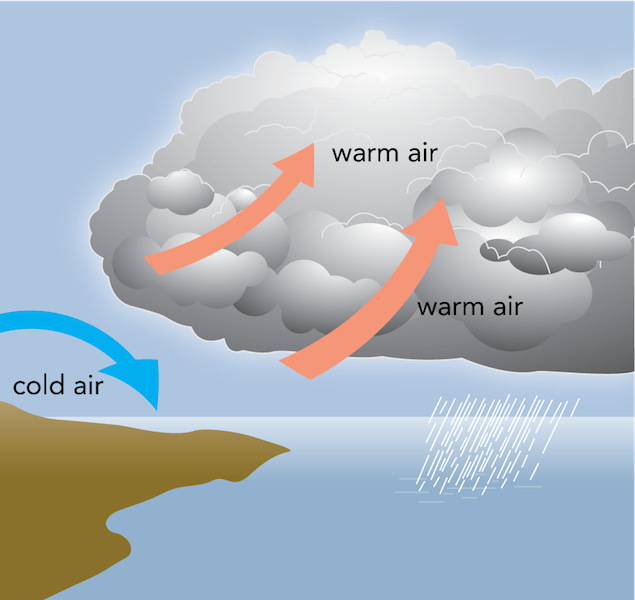
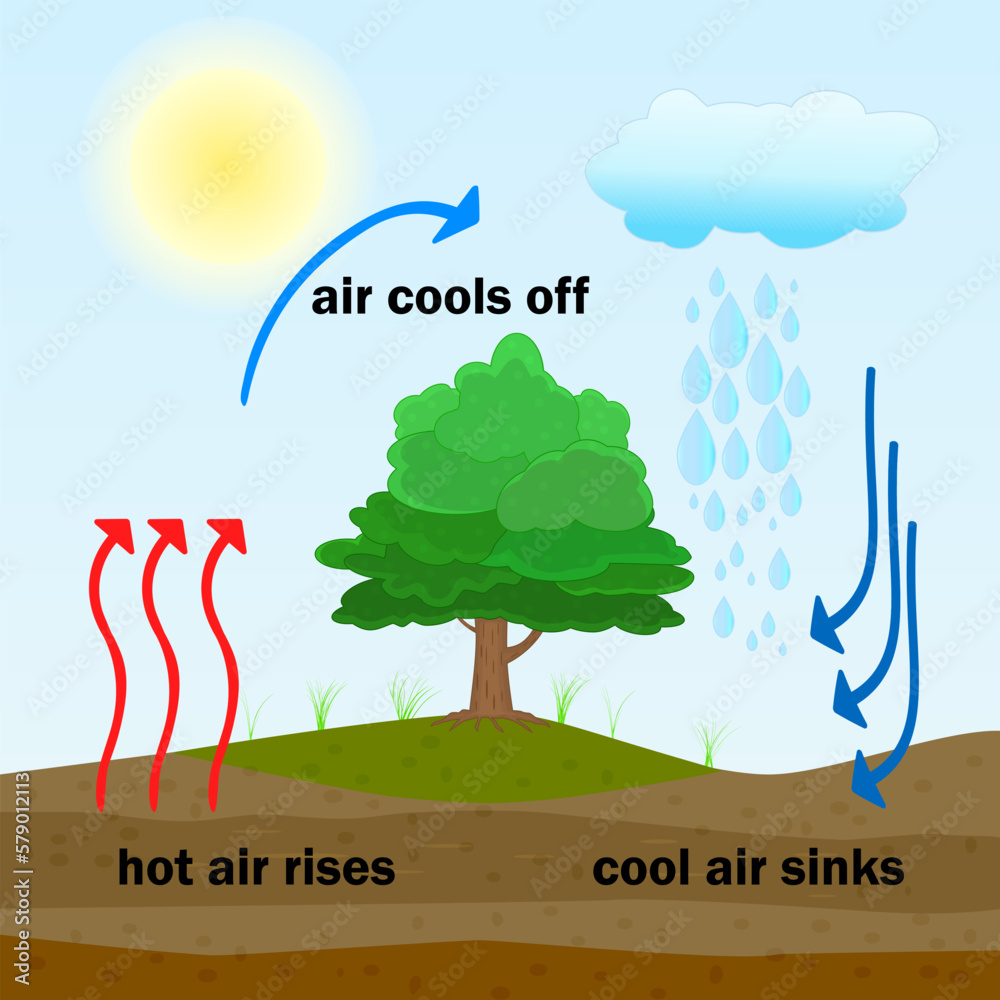
So, does air move from hot to cold? The short answer is: not exactly directly, but it’s a major driver of air movement! Hot air is less dense, so it rises. As hot air rises, it creates a lower pressure area below it. Cooler, denser air from surrounding areas then rushes in to fill that space. This continuous cycle is called convection. Think about it: that cool draft you feel near a cold window isn't necessarily the cold air "moving to" the hot side, but rather the warm room air being cooled by the window, becoming denser, sinking, and creating a circulating current. We see this with everything from the gentle convection currents in your oven to the massive sea breezes where cooler air from the ocean moves inland to replace the rising hot air over the land. Even your refrigerator uses this principle to keep food cold; cold air sinks to cool items, then warms up slightly and rises to be re-cooled.
Must Read
Ready to observe this in action? Here are a couple of simple, practical tips to get you started. First, pay attention to drafts in your own home. Can you feel cooler air near the floor by a window, or warmer air rising from a vent? For a fun experiment, light a candle and hold it near the bottom and then the top of a slightly ajar door that separates a warm room from a cooler one (with an adult's supervision, of course!). You'll likely see the flame flicker inwards at the bottom (cool air entering) and outwards at the top (warm air exiting). This is direct evidence of air moving to equalize temperature and pressure. Understanding how your home's heating and cooling systems work – radiators pushing hot air up, air conditioners blowing cold air down – becomes much clearer once you grasp this basic concept.
By simply noticing these everyday phenomena, you’ll start to see the invisible dance of air all around you. It’s a rewarding feeling to understand a bit more about how your world works, making you not just a passive observer, but an engaged participant in the grand ballet of physics. Enjoy the journey of discovery; it’s truly amazing what a little curiosity about hot and cold air can reveal!