Does Ac Use Electricity Or Gas
Ever found yourself basking in the glorious chill of air conditioning on a scorching summer day, feeling like you've just stepped into an oasis? It’s a moment of pure bliss for many of us. But have you ever paused, mid-sigh of relief, to wonder about the mechanics behind that magic? Specifically, does AC use electricity or gas to keep us cool? It's a question that often pops into mind, not just out of idle curiosity, but because understanding it can help us be smarter about our energy use and even save a little money. Exploring how something as common as AC works can reveal surprising insights into our daily lives and our impact on the environment.
The primary purpose of air conditioning is wonderfully straightforward: to provide thermal comfort by cooling indoor air and removing excess humidity. Its benefits extend far beyond just feeling pleasant. AC can dramatically improve sleep quality, enhance productivity in offices and schools, and even protect our health by preventing heatstroke and reducing allergens in the air through filtration. In many parts of the world, especially during peak summer, AC isn't just a luxury; it's a vital necessity for maintaining livable indoor environments and supporting a functional society.
You’ll find air conditioning almost everywhere you go in daily life. From our homes and workplaces to cars, shopping malls, hospitals, and even sensitive data centers, AC plays a crucial role. Think about the perfectly regulated temperature in a museum protecting ancient artifacts, or the controlled environment in a laboratory ensuring experiments yield accurate results – these are all thanks to sophisticated cooling systems. In educational settings, a comfortable classroom environment can significantly aid student concentration and learning, making AC an indirect but powerful tool for academic success and overall well-being.
Must Read
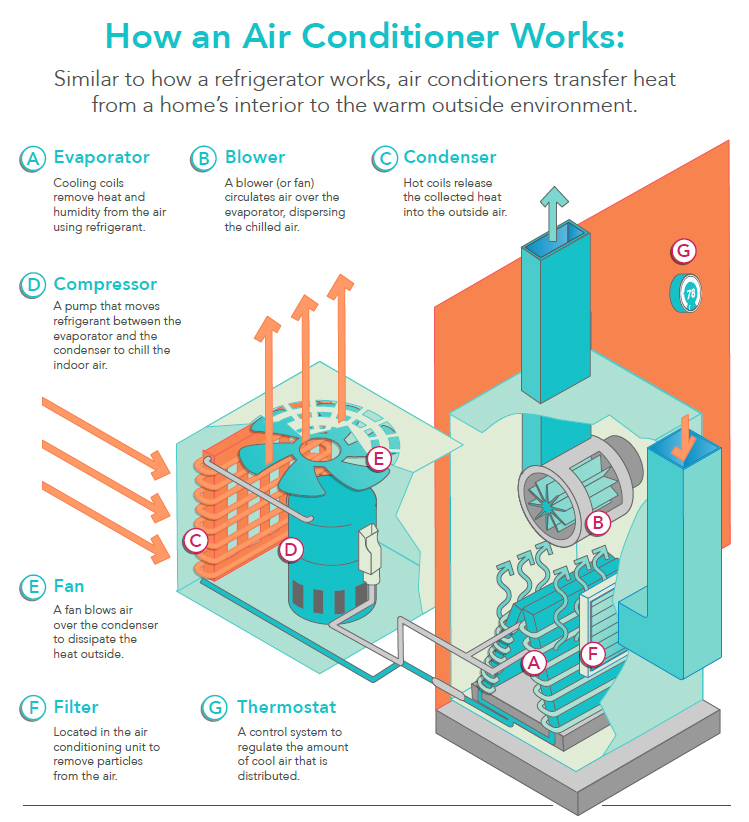
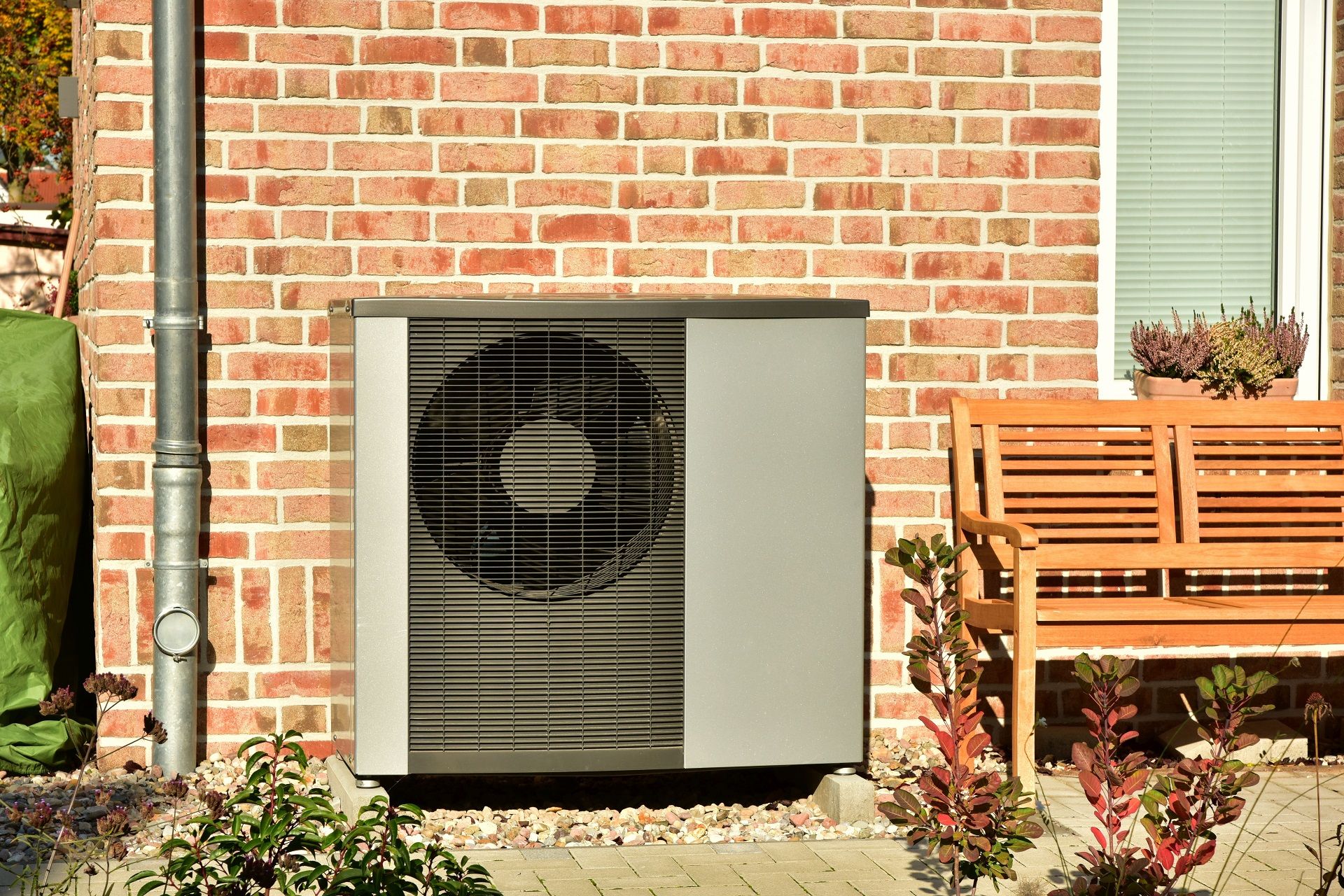
So, back to our burning question: electricity or gas? For the vast majority of residential and commercial air conditioning systems designed for cooling, the answer is overwhelmingly electricity. AC units operate by moving heat from inside your home to the outside, a process that requires a compressor, fans, and various electrical components to run. While natural gas is primarily used for heating (think gas furnaces), some modern, high-efficiency systems called heat pumps can use electricity to both heat and cool a space. These clever systems essentially reverse the cooling process to bring heat indoors during colder months, making them incredibly versatile.
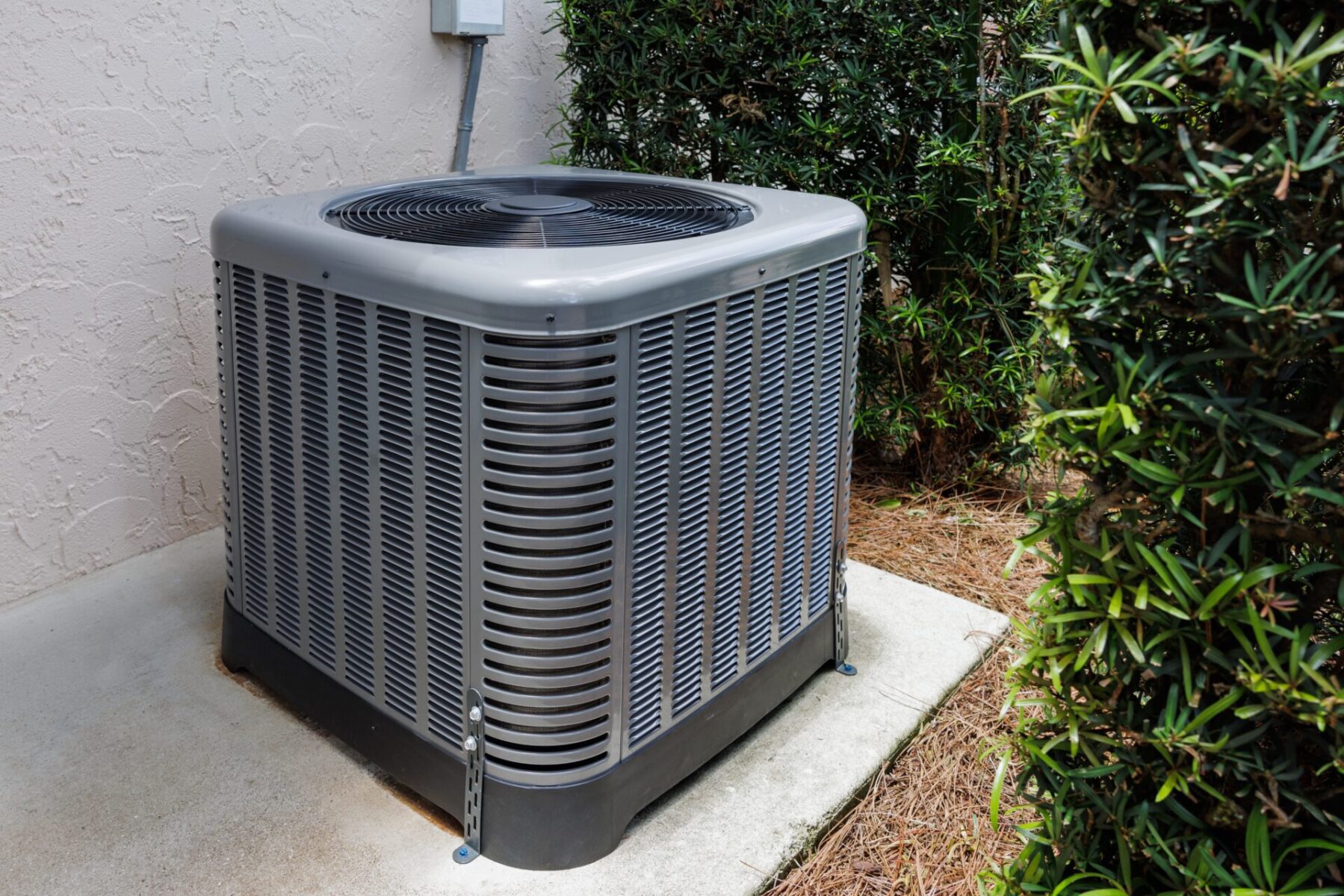
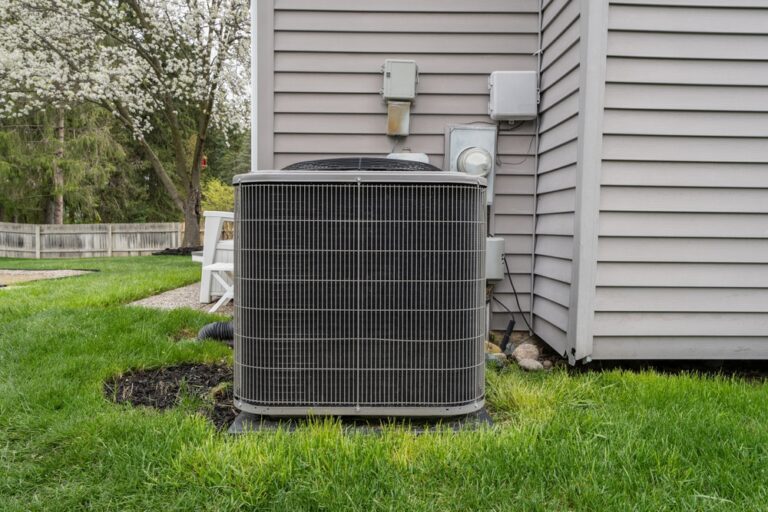
Want to explore this fascinating topic further in your daily life? It's surprisingly simple! First, take a look at your own AC unit. If you have a central air system, check the outdoor unit (the condenser) – you’ll see electrical connections powering it. Next, glance at your utility bill, especially during the summer months. You'll likely notice a significant uptick in your electricity consumption, reflecting your AC's hard work. You can also experiment with your thermostat settings; even a slight adjustment can impact your energy usage. Researching different types of AC, from window units to mini-splits, can reveal the engineering ingenuity behind keeping us cool. Understanding these basics not only satisfies our curiosity but empowers us to make more informed decisions about energy use in our homes.