
Does A Thermostat Need Batteries To Work
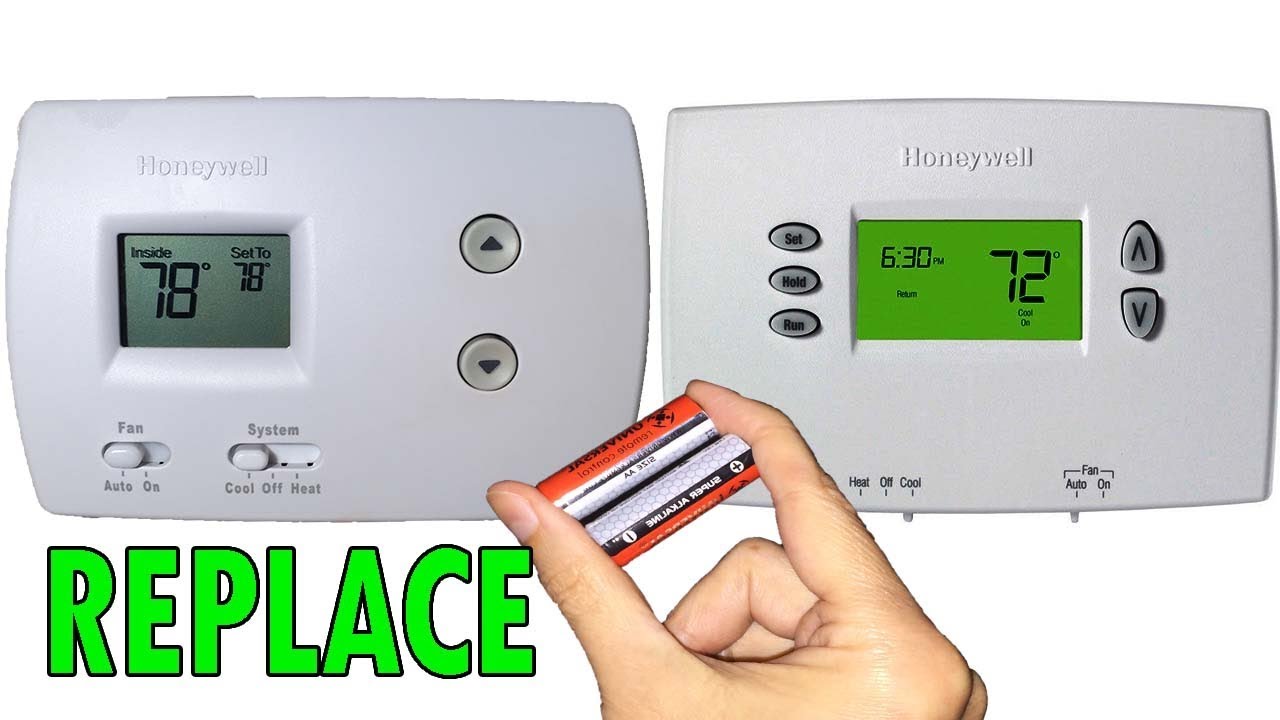
Ever woken up to a chilly house? You stumble to the thermostat, ready to crank up the heat.
But then you see it. A blank screen. Utter darkness.
Your heart sinks a little. What's the first thing you think?
Must Read
For most of us, it's an immediate, gut-level reaction: "Batteries!"
We've all been there. The great thermostat mystery begins.
Does this smart little box really need its own tiny power source?
It seems like a fair question. After all, it's wired into your wall.
Doesn't the house power it? Like, permanently?
This is where things get playfully confusing.
The "official" answer might be a nuanced "it depends."
But in the messy reality of everyday life, it often feels like a resounding "YES!"
Almost every time you have a thermostat crisis, batteries are somehow involved.
Think about those old-school thermostats. The ones with the little mercury switch.
They just clicked and clacked. No batteries in sight there.
Pure mechanical magic, running on the sheer will of physics.
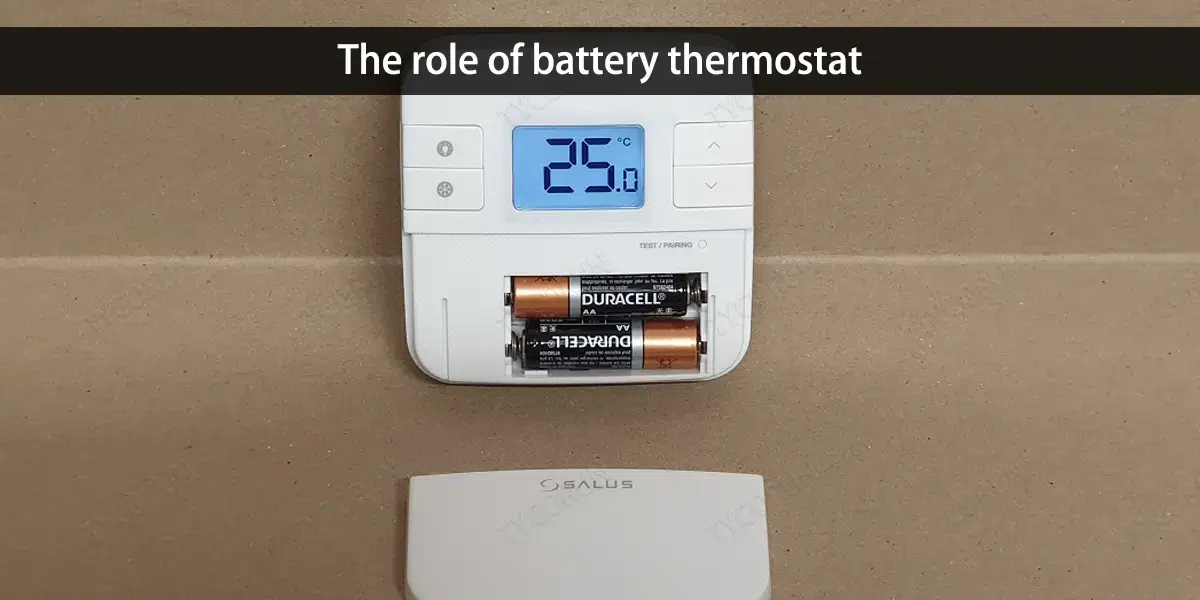
Then came the digital age. Suddenly, your thermostat got a glowing personality.
A screen! Numbers! Maybe even a little happy face if you set it right.
And with those modern marvels often came a new demand.
A secret compartment. Usually hiding two AAA batteries.
These tiny power cells keep the screen alive. They remember your settings.
They make sure your thermostat actually has a brain, not just wires.
So, while the house wiring powers the heating or cooling system itself,
the brain of your digital thermostat often needs its own personal snack.
A little energy boost to stay awake and tell the furnace what to do.
It's like your TV remote. It's not the TV, but it controls the TV.
And without its own batteries, that remote is just a fancy brick.
Your digital thermostat can be much the same.
Especially with today's smart thermostats. Oh, those clever gadgets!
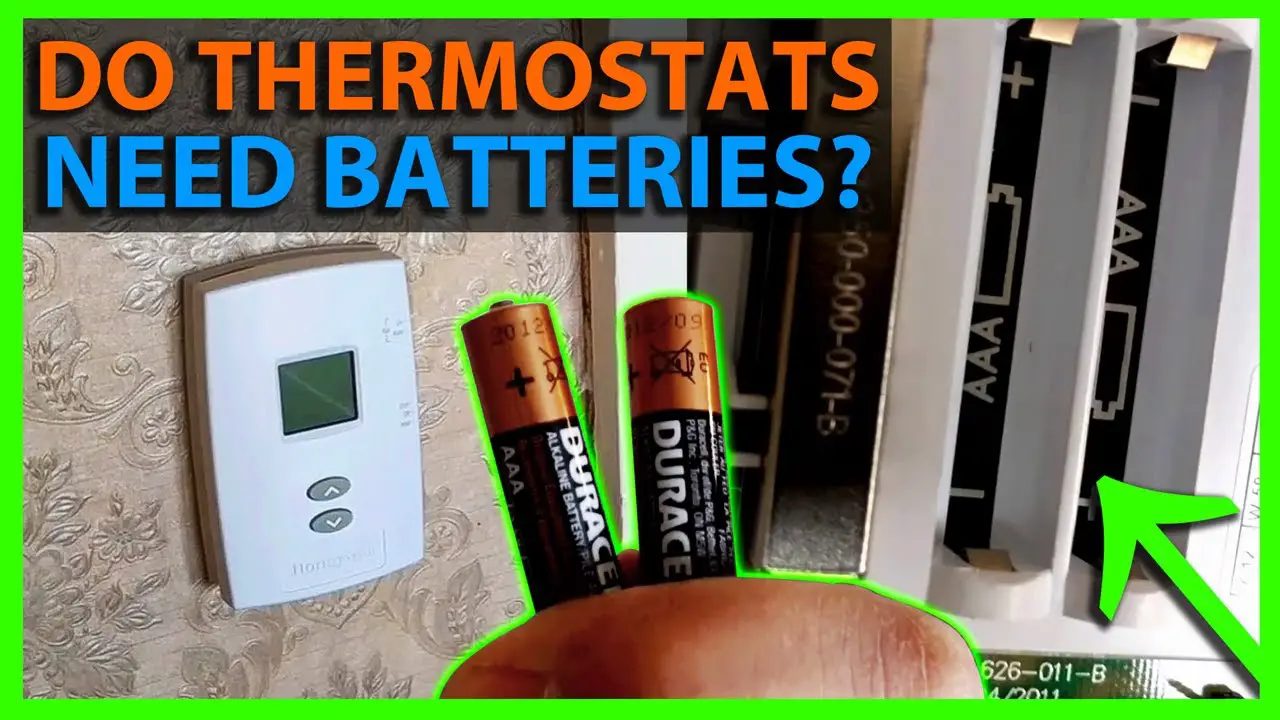
They connect to Wi-Fi. They learn your habits. They talk to your phone.
All that cleverness needs consistent power, even if the house supplies most of it.
Many smart thermostats do use a C-wire for continuous power. This is true.
But even then, some have backup batteries. Just in case there's a power blip.
Or, you might be surprised to find, that the batteries are for the display itself.
The confusion is part of the fun. It's a little household mystery.
You see a sophisticated piece of tech. You assume it's fully integrated.
Then, suddenly, it's asking for a couple of Energizers.
The scenario is classic. The furnace isn't running. The AC isn't blowing cold.
You check the breakers. You tap the thermostat. Nothing.
Then, the faint memory of a little battery door pops into your head.
The frantic search for the remote control drawer begins. "Do we have any AAA's?"

It's a universal cry of modern homeownership. A ritual we all perform.
And nine times out of ten, replacing those batteries brings the screen back to life.
Suddenly, your blank, useless box is a glowing beacon of temperature control.
Comfort restored! Panic averted! All thanks to two tiny cylinders.
It feels like a trick, doesn't it? A delightful little prank played by your home.
"A thermostat that needs batteries is just a highly evolved, very polite, battery-eating robot."
Okay, maybe not a robot. But it certainly feels that way sometimes.
It's an unspoken agreement. You provide the juice, it provides the comfort.
So, while a purist might argue, "No, not all thermostats need batteries to function."
We, the everyday homeowners, know the truth in our bones.
It feels like they always do, especially when you least expect it.
It's a modern thermostat truth. A little quirk of the digital age.
They promise sleek design and smart features. Then they quietly demand a tribute.
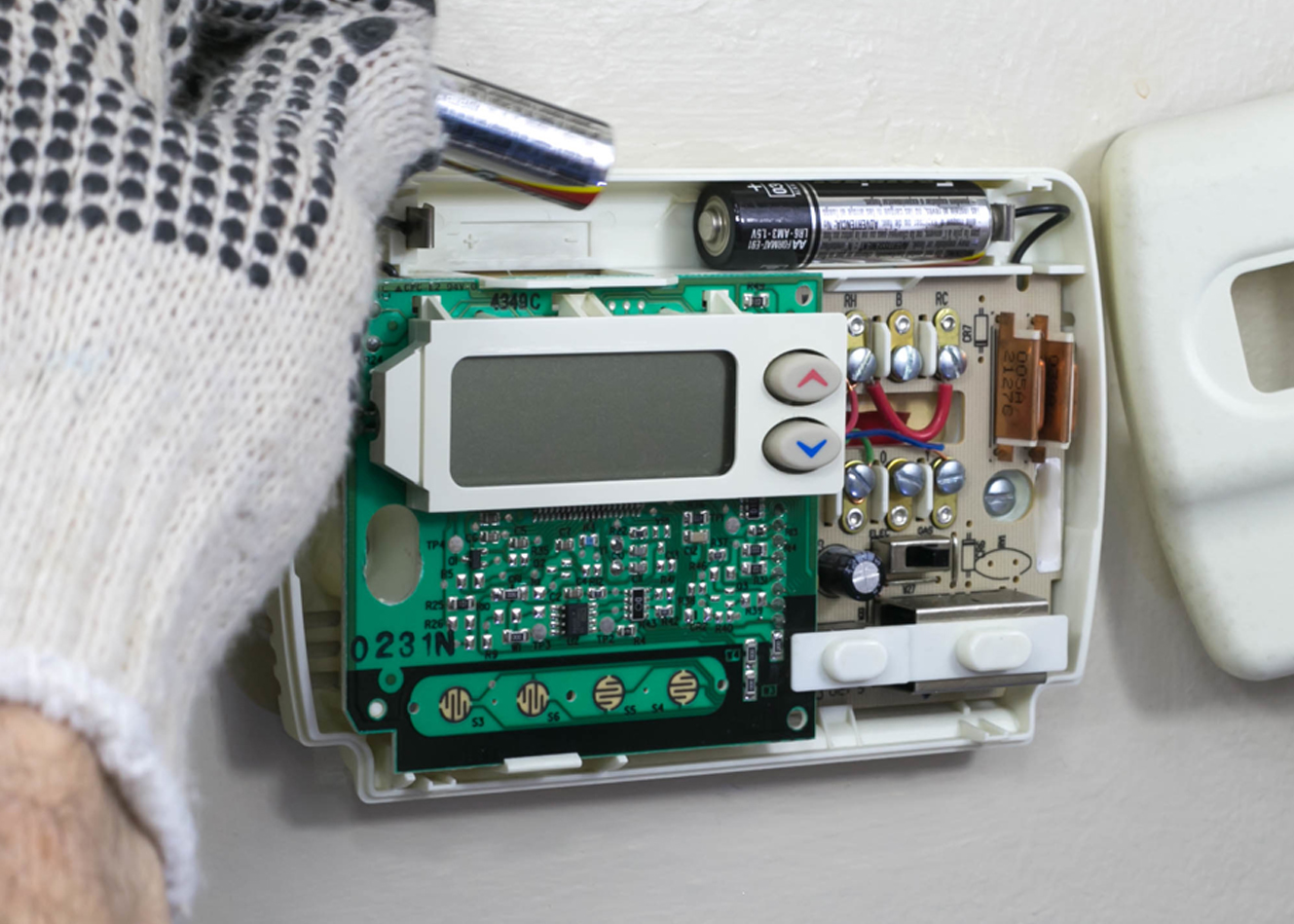
A small, metallic offering to keep the comfort flowing.
So, the next time your thermostat goes dark, don't fret. Don't call an electrician yet.
First, grab your tiny screwdriver. Pop open that little compartment.
And nine times out of ten, you'll find the culprit and the solution there.
A fresh pair of batteries can be the difference between a frosty morning and a cozy start.
Between a sweltering afternoon and a perfectly chilled evening.
It's a small price to pay for such powerful control.
Let's embrace this charming oddity of home technology.
The thermostat that demands its tiny power cells.
It's just part of the playful dance of modern living.
So, yes, for most of us, when we ask: "Does a thermostat need batteries to work?"
The answer, with a knowing smile, is almost always, "Yes, absolutely! And probably at the worst possible time!"
It's not a myth; it's a delightful, battery-powered reality.