
Does A Sump Pump Require A Gfci
Alright, let's talk about that mysterious hum in your basement. No, not your teenager's gaming console (though that's a whole other article!). We're talking about your trusty sump pump, that unsung hero diligently guarding your home against watery woes. And today, we're diving into a question that might sound a little technical but is actually super important for your peace of mind: Does a sump pump need a GFCI?
Grab a cup of coffee, settle in, because we're going to make this as fun and easy to understand as your favorite sitcom.
First, What Even Is a Sump Pump?
Imagine your basement as a party. A sump pump is like the super-efficient bouncer standing guard at the back door, ready to escort any unwanted water guests (think heavy rain, melting snow, plumbing leaks) out before they can trash the place. It's usually a basin in your basement floor with a pump inside that kicks on when water levels rise, sending that H2O far, far away from your precious photo albums and that slightly-too-comfortable armchair.
Must Read
It’s your home’s personal waterproofing bodyguard, working tirelessly, often unnoticed, until you really need it.
And What's a GFCI? Your Electrician's Lifeguard!
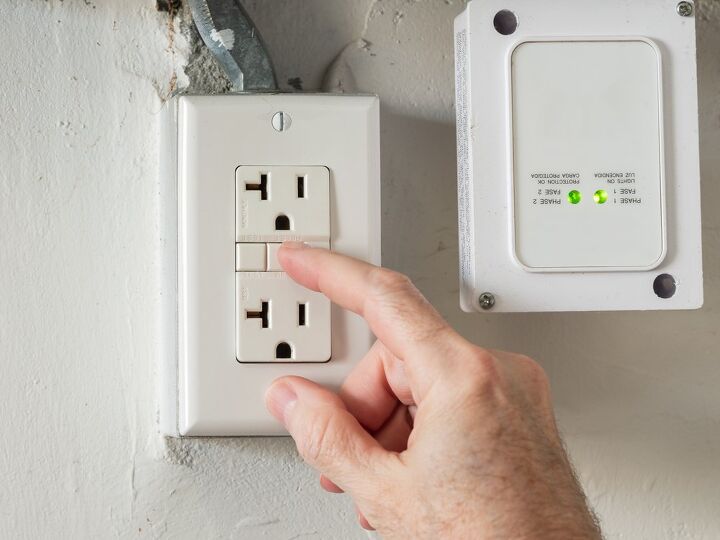
Okay, now for the GFCI. You've probably seen them. Those outlets in your bathroom or kitchen with the little "Test" and "Reset" buttons? That's a Ground Fault Circuit Interrupter. Think of it as a super-speedy electrical bodyguard, constantly monitoring the flow of electricity. If it detects even the tiniest hiccup or imbalance – meaning electricity is going somewhere it shouldn't, like through you – it trips faster than you can say "ouch!" and shuts off the power. Instantly. It's like a tiny, vigilant superhero standing between you and an electric shock.

The classic example? Someone dropping a hairdryer into a full bathtub. A GFCI would cut the power in milliseconds, potentially saving a life. Dramatic, yes, but true!
So, Sump Pump + GFCI: A Match Made in Safety Heaven?
Now to the million-dollar question: Should these two be paired up? The short answer is a resounding, "YES, most definitely!"
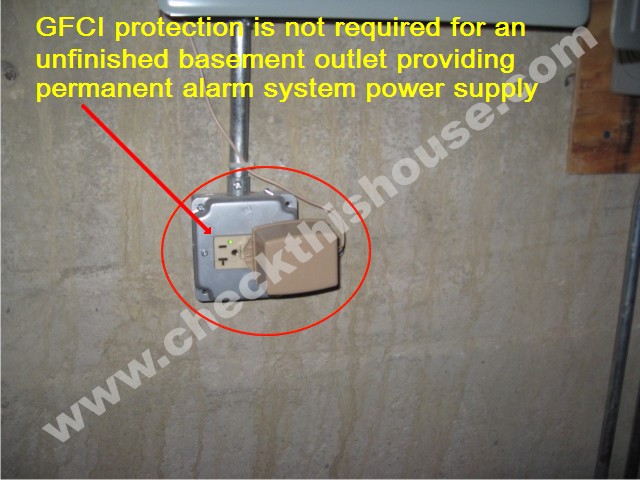
Here’s why it’s not just a good idea, but often a safety requirement according to electrical codes, like the National Electrical Code (NEC) that electricians follow like gospel:
Reason #1: Water and Electricity Are NOT Friends!
This one's pretty obvious, right? Your sump pump lives in a perpetually damp, sometimes outright wet, environment. Basements can flood. Water can splash. And where there's water, there's a heightened risk of electrical shock if something goes awry. Imagine reaching down to check on your pump during a storm, and there's a puddle. A GFCI provides a vital layer of protection in these inherently risky conditions. It’s like wearing a life jacket when you're near deep water – just sensible safety!
Reason #2: Protecting the Curious (and Sometimes Clumsy)
Think about who might venture into your basement. Kids exploring. Pets sniffing around. Maybe even you, fumbling in the dark trying to find the light switch. If a pump's wiring somehow becomes exposed, or if you accidentally drop a metal tool near a live connection in a damp spot, a GFCI could be the difference between a minor annoyance (a tripped breaker) and a serious injury. It's like having a safety gate at the top of the stairs – you hope no one falls, but it's there just in case.

Reason #3: Peace of Mind During a Storm
When the rain is pounding down and you're snug in bed, knowing your sump pump is protected by a GFCI offers incredible peace of mind. You're not just protecting your basement from water; you're protecting everyone who might interact with that pump from a potentially dangerous electrical situation. It's like having insurance for your insurance!
But Wait, Some People Worry About Nuisance Tripping!
Okay, let's address the elephant in the basement. Some folks worry that a GFCI protecting a sump pump might "nuisance trip." This means it might shut off the power for no real reason, leaving your pump helpless and your basement vulnerable to flooding. It’s like a smoke detector that goes off every time you burn toast – annoying, right?
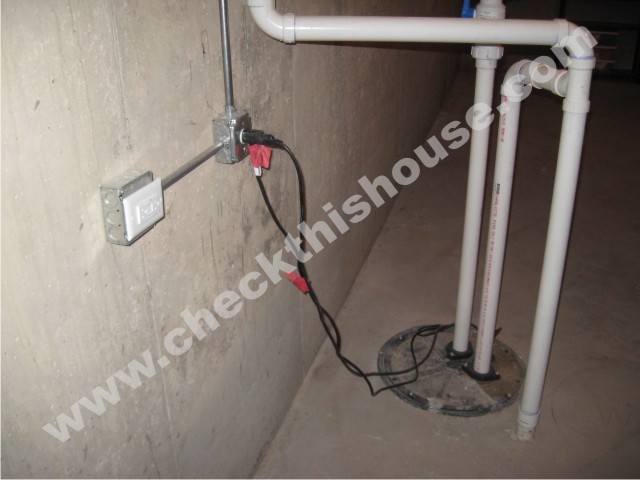
While this was more of a concern with older GFCI technology, modern GFCIs are much more reliable. If your GFCI is tripping frequently, it’s usually a sign of an actual (albeit minor) electrical issue with the pump itself, not necessarily a faulty GFCI. A qualified electrician can diagnose this pretty easily. In some cases, if nuisance tripping is truly persistent and verified not to be a fault, specific GFCI breaker types designed for motor loads can be considered, but always consult an electrician. Safety first!
The Takeaway: Don't Skimp on Safety!
So, does a sump pump need a GFCI? The answer is a resounding yes, for the sake of safety and peace of mind. It's a small investment in protection that can prevent a much bigger, more dangerous headache down the line. It's like wearing your seatbelt or putting on sunscreen – you do it because it’s smart, simple, and keeps you safe.
If you're not sure if your sump pump is GFCI protected, it’s a great idea to have an electrician check it out. They can ensure your home's water warrior is plugged into the safest possible setup, letting it do its job while keeping your family (and your curious cat) safe from any shocking surprises. Stay dry, and stay safe!