
Does A Space Heater Use A Lot Of Electricity
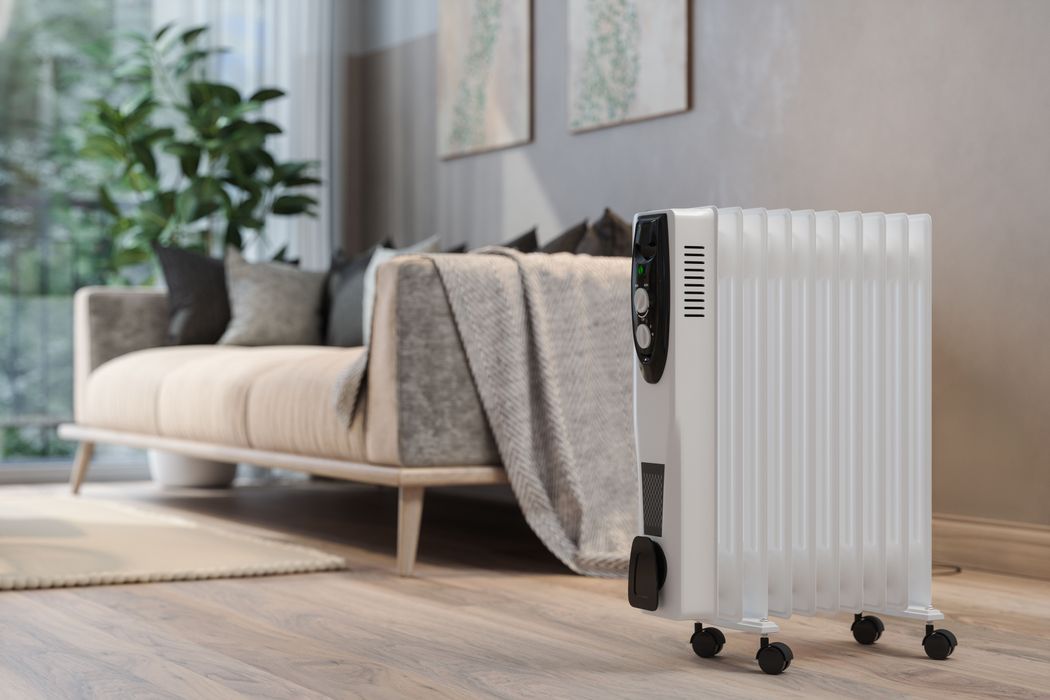
Brrr! Is there anything quite as comforting as the radiating warmth of a space heater on a chilly day? We all know that feeling – a persistent shiver despite layers of clothing, a nose perpetually cold to the touch. That's where our trusty space heater comes in, promising instant, localized heat that can transform a frosty corner into a cozy haven.
Space heaters offer a wealth of benefits, primarily focused on providing targeted warmth. Instead of cranking up the central heating for the entire house – a potentially expensive proposition – you can use a space heater to warm just the rooms you're actually using. This is especially useful in older homes with uneven heating, drafty rooms, or during those shoulder seasons when the days are mild but the evenings take a distinct dip in temperature. For many, it's about personal comfort – maybe you just prefer your home office to be toasty warm while your partner prefers the bedroom cooler. A space heater allows for individual climate control without impacting everyone else.
You see space heaters everywhere! From dorm rooms keeping students comfortable during late-night study sessions, to workshops allowing for work to continue regardless of the outside temperature. They are also used in nurseries to ensure babies are comfortable or even in garages to keep pipes from freezing. The compact size and portability make them incredibly versatile.
Must Read
But the big question that always seems to bubble to the surface is: does a space heater use a lot of electricity? The somewhat frustrating, but accurate answer is: it depends. Most space heaters are essentially glorified electric kettles – they work by converting electricity into heat. This means they do consume a fair amount of power. The amount of power a space heater consumes is usually printed on the device itself (usually as wattage or amps). Higher wattage means higher power consumption and a potentially higher electricity bill. However, it's not a simple "always bad" situation.

Here are some practical tips to enjoy your space heater more effectively and minimize its energy footprint:
- Choose the right size heater: Don't use a large, powerful heater to warm a small room. Opt for a smaller, lower wattage model suited for the space.
- Use it sparingly: Only turn on the heater when you're actually in the room. There's no point in heating an empty space.
- Seal the room: Close doors and windows to prevent heat from escaping. This will allow the heater to work more efficiently.
- Consider a programmable thermostat: Some space heaters come with built-in thermostats that allow you to set a desired temperature and automatically turn off when that temperature is reached.
- Supplement with other methods: Layer clothing, use blankets, and insulate your home properly to reduce your reliance on the heater.
- Check the heater safety features: Ensure the heater has safety features such as tip-over protection and overheat protection.
- Consider an oil-filled radiator: These tend to be more efficient than fan-based heaters, as they retain heat for longer.
In conclusion, space heaters can be a fantastic way to add localized warmth and comfort to your life. While they do use electricity, by being mindful of their usage and employing a few smart strategies, you can enjoy the cozy benefits without breaking the bank. So, go ahead, embrace the warmth, but do it responsibly!
.png)
![Does A Space Heater Use A Lot Of Electricity? [Updated 2024]](https://cdn.shopify.com/s/files/1/0588/4765/8171/files/2213426909_1024x1024.jpg?v=1715164545)
