
Does A Portable Generator Need To Be Grounded
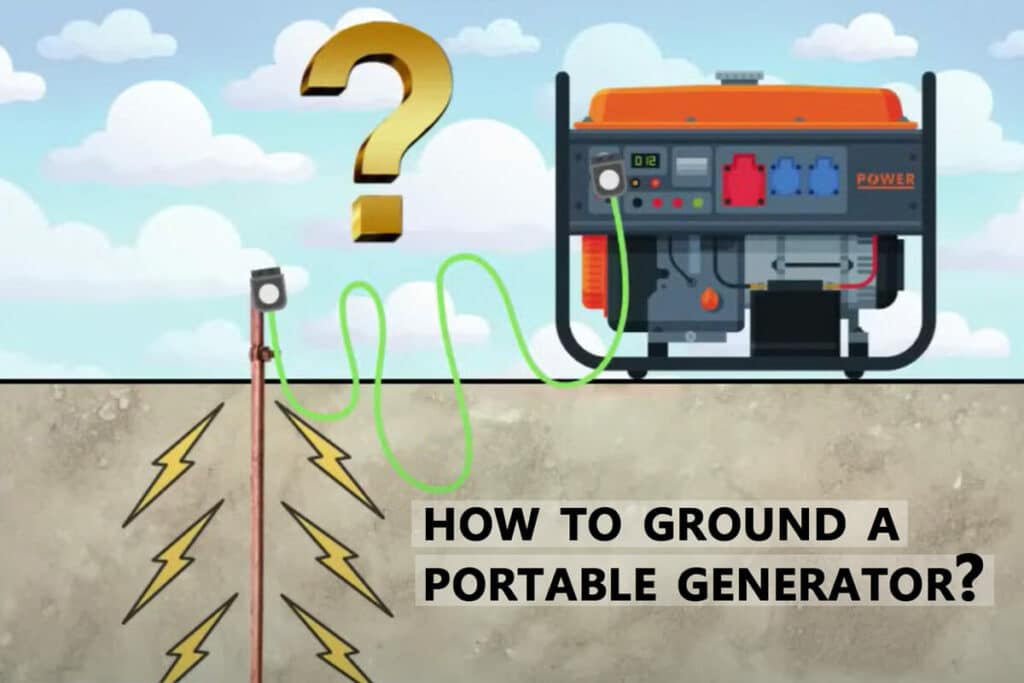
Hey friend! So you've got yourself a portable generator, huh? Good for you! Power outages are the worst, am I right? Now you're probably wondering, "Do I really need to mess with grounding this thing?" That's what everyone wants to know!
Well, grab your coffee (or tea, I'm not judging!), because we're diving into the nitty-gritty of grounding portable generators. It's not exactly the most thrilling topic, but trust me, it's important. Think of it as insurance…boring until you really need it.
The Short Answer (For the Impatient Ones)
Okay, okay, I get it. You want the quick and dirty answer. Here it is: It depends. Mic drop. Just kidding, I’ll elaborate!
Must Read
Seriously though, whether or not you need to ground your portable generator hinges on how you're using it. Are you plugging appliances directly into it? Or are you using it to power your whole house via a transfer switch? Big difference, my friend!
Directly Plugging In? (Think Camping)
If you're just plugging a few things – a lamp, a radio, maybe a portable fan while camping – directly into the generator's outlets, then chances are your generator is considered "separately derived." What a mouthful! What does it even mean?
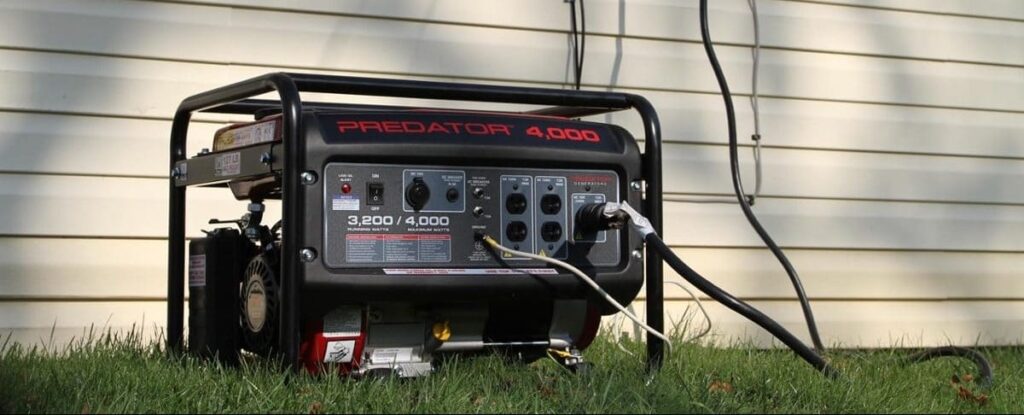
Basically, separately derived means the generator's frame is connected to the neutral wire in the outlets. This provides a ground path for most appliances with a three-prong plug. In these cases, you probably don't need to do any additional grounding. Phew!
However – and there's always a however, isn't there? – it's a good idea to check your generator's manual. They’ll tell you exactly what they recommend. Better safe than sorry, right?

Using a Transfer Switch? (Hello, Whole House Power!)
Now, if you're using a transfer switch to power your whole house during an outage, things get a little more serious. A transfer switch is basically a fancy switch that isolates your house's electrical system from the grid and connects it to your generator.
In this case, grounding is essential. Your house already has a grounding system connected to the earth (usually a metal rod buried in the ground). Your generator needs to tie into that system to provide a safe ground path for electricity.
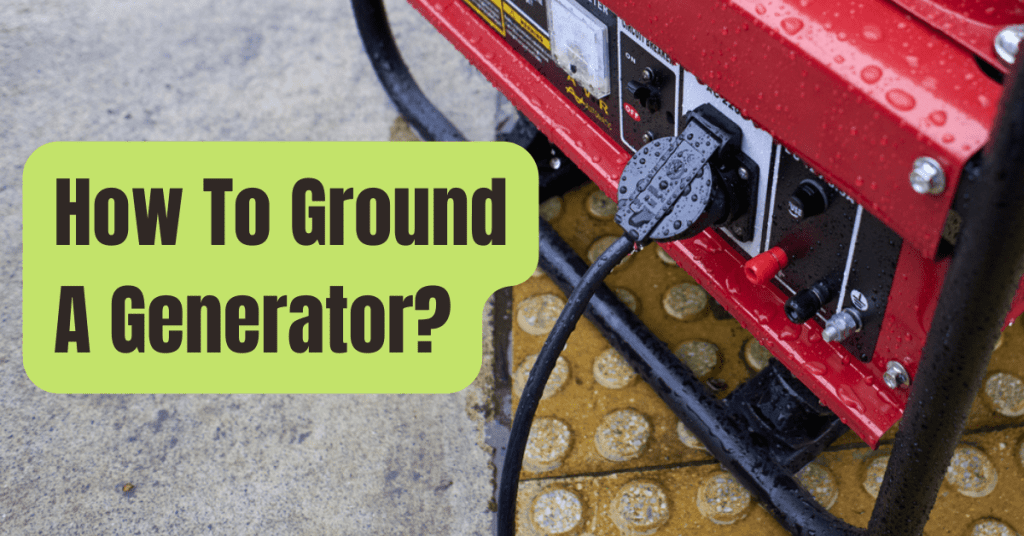
Why is this so important? Well, without proper grounding, you run the risk of electrical shocks. No one wants that! Plus, it can protect your appliances from damage caused by power surges. Think of it as a tiny lightning rod for your washing machine.
How Do I Ground It, Anyway? (DIY Time!)
Okay, so you've determined you do need to ground your generator. Now what? Don't panic! It's usually a pretty straightforward process. But always, always, always consult your generator's manual and a qualified electrician if you're unsure. Electrical work can be dangerous, and this is not the place to cut corners! Seriously!
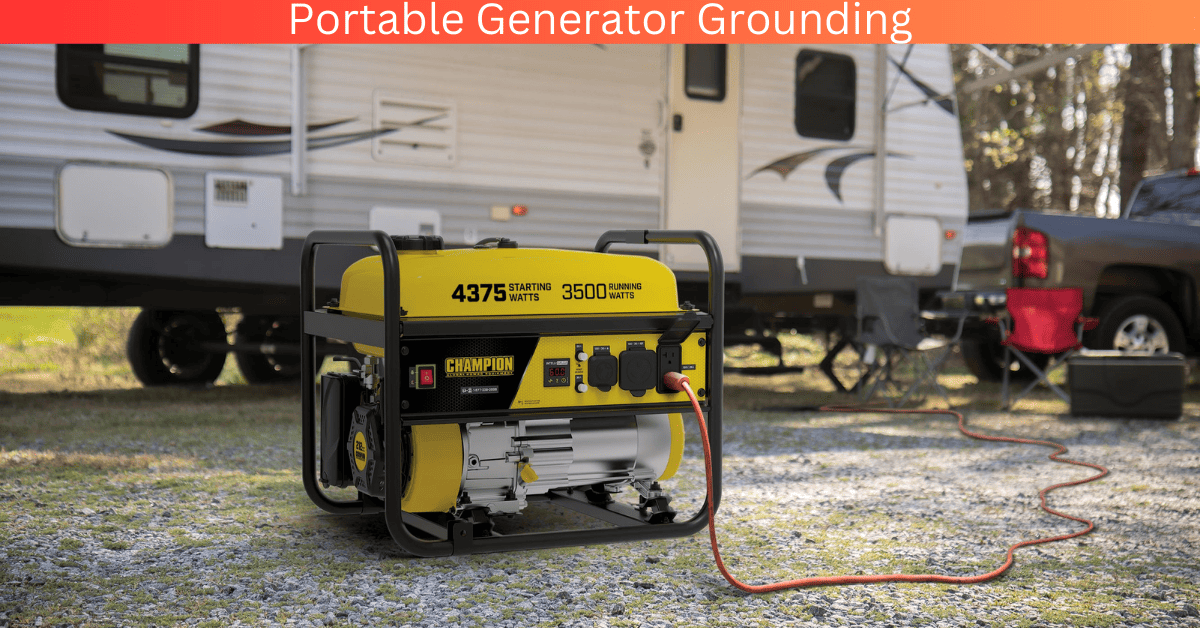
Generally, you'll need a grounding rod (usually copper), some heavy-gauge copper wire, and a clamp to connect the wire to the grounding rod and your generator's grounding terminal (usually marked with a ground symbol).
Drive the grounding rod into the earth (at least 8 feet is recommended), connect one end of the wire to the rod with the clamp, and connect the other end to the generator's grounding terminal. Bam! You're grounded! (Again, always follow your generator's manual and local electrical codes).
A Few Extra Pointers (Because Why Not?)
- Read the manual! I know, it's boring, but it has crucial information specific to your generator model.
- Consult an electrician! Seriously, if you're not comfortable working with electricity, get a professional.
- Don't skimp on the grounding! Use the correct gauge wire and a proper grounding rod. It's not worth saving a few bucks to risk your safety.
- Test your setup! After grounding, use a multimeter to verify you have a proper ground connection.
So there you have it! The not-so-scary world of grounding portable generators. It might seem a little complicated at first, but with a little knowledge and the right precautions, you can keep yourself and your appliances safe during a power outage. Now go forth and generate some power... safely!