
Does A Portable Ac Use A Lot Of Electricity

Ah, summer. The season of sunshine, vacations, and...relentless heat. When the mercury climbs, many of us turn to the sweet relief of air conditioning. But what if you don't have central air, or just need to cool down a single room? Enter the portable AC unit, a little box promising to transform your sweltering space into a blissful oasis. But before you crank it up and bask in the coolness, a nagging question often arises: does a portable AC use a lot of electricity? Let's dive in!
Portable AC units have become incredibly popular because they offer a targeted, flexible solution to the summer heat. Unlike central AC, which cools your entire home (whether you need it or not!), a portable unit allows you to focus the cooling power where it's needed most. This is a huge benefit for those living in apartments without central air, or for homeowners who only want to cool a bedroom or home office. Think about it: no more battling over the thermostat with family members! You can create your own personal climate bubble, perfect for sleeping, working, or simply escaping the oppressive heat.
We see portable AC units everywhere these days. They're common in bedrooms to ensure a good night's sleep, in home offices to maintain focus during work hours, and even in garages to make DIY projects bearable. Apartment dwellers frequently rely on them as a cost-effective alternative to window units. The beauty of a portable AC lies in its portability (hence the name!). You can easily wheel it from room to room as needed, making it a versatile cooling solution.
Must Read
Now, back to the burning question: electricity consumption. The truth is, portable ACs do use electricity. They need power to run the compressor, fan, and other internal components that make the magic happen. However, the amount of electricity they consume can vary significantly depending on several factors, including the unit's BTU (British Thermal Unit) rating, its energy efficiency rating (EER), and how frequently you use it. A higher BTU rating means the unit can cool a larger space, but it also generally means higher energy consumption. Similarly, a higher EER indicates better energy efficiency, so look for units with a good EER rating when shopping.
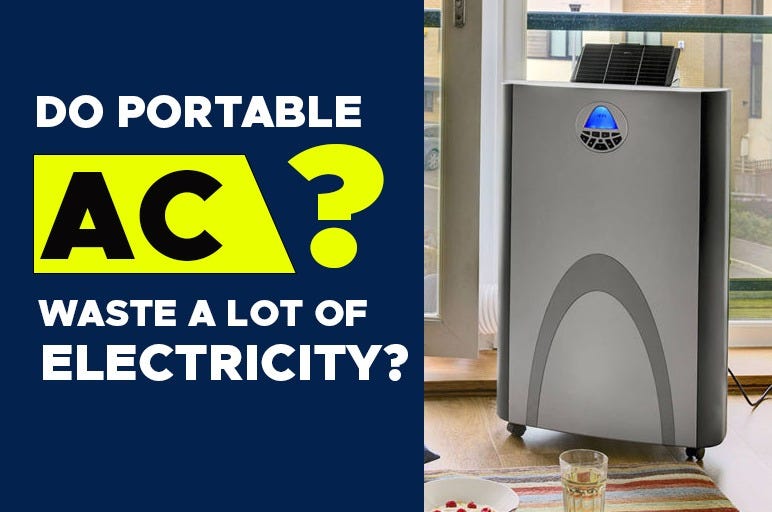
So, how can you enjoy the coolness of your portable AC without sending your electricity bill skyrocketing? Here are a few practical tips:
- Choose the right size: Don't buy a unit that's too large for your space. An oversized unit will cycle on and off frequently, wasting energy.
- Seal your room: Close windows and doors to prevent warm air from entering. Use weather stripping to seal any gaps.
- Use curtains or blinds: Blocking direct sunlight can significantly reduce the heat load in your room.
- Set the thermostat strategically: Lowering the temperature too much won't cool your room faster, but it will use more electricity. A comfortable setting, around 75-78 degrees Fahrenheit, is usually sufficient.
- Regularly clean the filter: A dirty filter restricts airflow and makes the unit work harder.
- Consider a smart plug: Program your AC to turn on and off according to your schedule.
In conclusion, while portable AC units do consume electricity, they offer a valuable and flexible cooling solution. By choosing the right unit, using it efficiently, and implementing a few simple energy-saving strategies, you can enjoy the cool comfort without breaking the bank. So go ahead, embrace the portable AC and conquer the summer heat responsibly!
![Portable AC Wattage Results [Most Efficient Revealed 2024]](https://ecocostsavings.com/wp-content/uploads/2022/03/portable-ac-wattage.jpg)

