
Does A Plasma Cutter Need Gas

Alright, listen up, my fellow DIY adventurers and metal mavens! Have you ever seen a plasma cutter in action? It's like something straight out of a sci-fi movie, spitting out a super-hot, intensely bright stream that just melts through metal like it's warm butter. Pretty cool, right? But then the question pops into your head, perhaps while you're daydreaming about your next big project: "Does a plasma cutter need gas?"
It’s a totally valid question, and one that often gets folks scratching their heads. After all, it’s not exactly a blowtorch, which obviously needs fuel gas. So, what’s the dealio with plasma cutters? Do they just run on pure electricity and good vibes?
Spoiler Alert! (But it's a good one!)
The short, sweet, and simple answer is a resounding YES! A plasma cutter absolutely needs gas. But hold your horses, don't go grabbing a propane tank just yet. It's not the kind of "fuel gas" you might be thinking of. We're talking about a very specific kind of gas, or sometimes even just plain old air!
Must Read
Think of it this way: a plasma cutter is like a superhero with two secret weapons. One is electricity – a powerful zap that creates an electric arc. The other is that special gas. When these two meet in a super-controlled environment (inside the torch), magic happens!
The "How" Without Getting Too Nerdy
Here’s the super simplified version of how it works:
- You flip the switch, and an electrical arc is generated inside the plasma torch.
- Meanwhile, your chosen gas (or air!) is forced through a tiny opening, often called an orifice, at high speed.
- As the gas passes through that electric arc, it heats up so incredibly fast and so incredibly much that it ionizes. And boom! It transforms into a super-heated, electrically conductive gas known as plasma.
- This plasma jet is what blasts through your metal, cutting it with amazing precision and speed. It’s essentially a focused stream of super-hot, lightning-fast gas.

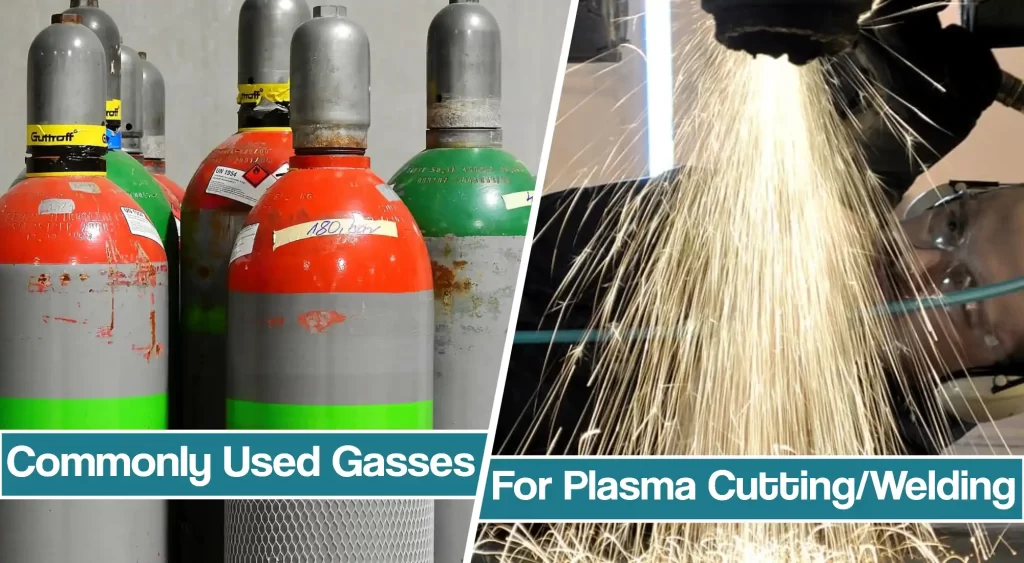
What Kind of Gas Are We Talking About?
This is where it gets interesting, because you’ve got options!
1. Compressed Air: The Everyday Champion
For most hobbyists, small workshops, and general cutting tasks, compressed air is the absolute MVP. It's readily available (if you have an air compressor, which many workshops do!), it's cheap, and it does a fantastic job on most common metals like mild steel, stainless steel, and aluminum. It's the go-to workhorse, reliable as your favorite comfy jeans.
2. Nitrogen: For a Smoother Operator
Some folks prefer nitrogen, especially when cutting stainless steel or aluminum, because it can sometimes give you a cleaner, dross-free cut. Think of it as the slightly fancier option for when you want that extra smooth finish, like ordering the premium car wash.
3. Oxygen: The Speed Demon for Mild Steel
If you’re primarily cutting mild steel and want maximum speed and an excellent edge quality, oxygen is often the gas of choice. It reacts with the molten steel, creating an exothermic reaction that actually helps speed up the cutting process. It's like giving your plasma cutter a turbo boost!

4. Argon-Hydrogen: The Heavy Hitter
For really thick stainless steel or aluminum, or when you need a top-tier cut quality, a mixture of argon and hydrogen (often called H35, for 35% hydrogen) might be used. This is usually more for industrial applications, but it creates a very powerful and high-temperature plasma arc. It’s the Rolls Royce of plasma gases!
Don't Forget About Cleanliness!
Regardless of which gas you choose, there's one golden rule: it needs to be clean and dry! Moisture and oil are the archenemies of your plasma cutter. They can wreak havoc on your consumables (the parts that wear out, like electrodes and nozzles), leading to poor cut quality and a shorter lifespan for your torch parts. So, invest in good filters and a dryer for your air line if you're using compressed air. Your plasma cutter (and your wallet) will thank you!
So, What Does This Mean for You?
For most home-shop warriors and small business owners, an air compressor capable of delivering enough CFM (cubic feet per minute) and pressure for your specific plasma cutter, coupled with some good filtration, is all you'll need. It's surprisingly easy to get set up!
The Sparkling Conclusion
So there you have it! A plasma cutter definitely needs gas, but it's not a fuel in the traditional sense. It's a critical component that, when supercharged by electricity, transforms into that incredible plasma jet that makes cutting metal feel like magic.
Don't let the "gas" part intimidate you. With a simple air compressor, you can be making sparks fly and turning raw metal into masterpieces in no time. So go forth, embrace the plasma power, and remember: every great creation starts with a spark of an idea... and sometimes, a little blast of super-heated air! Happy cutting, my friend! May your cuts be straight and your projects be legendary!