
Does A New Roof Qualify For Energy Tax Credit
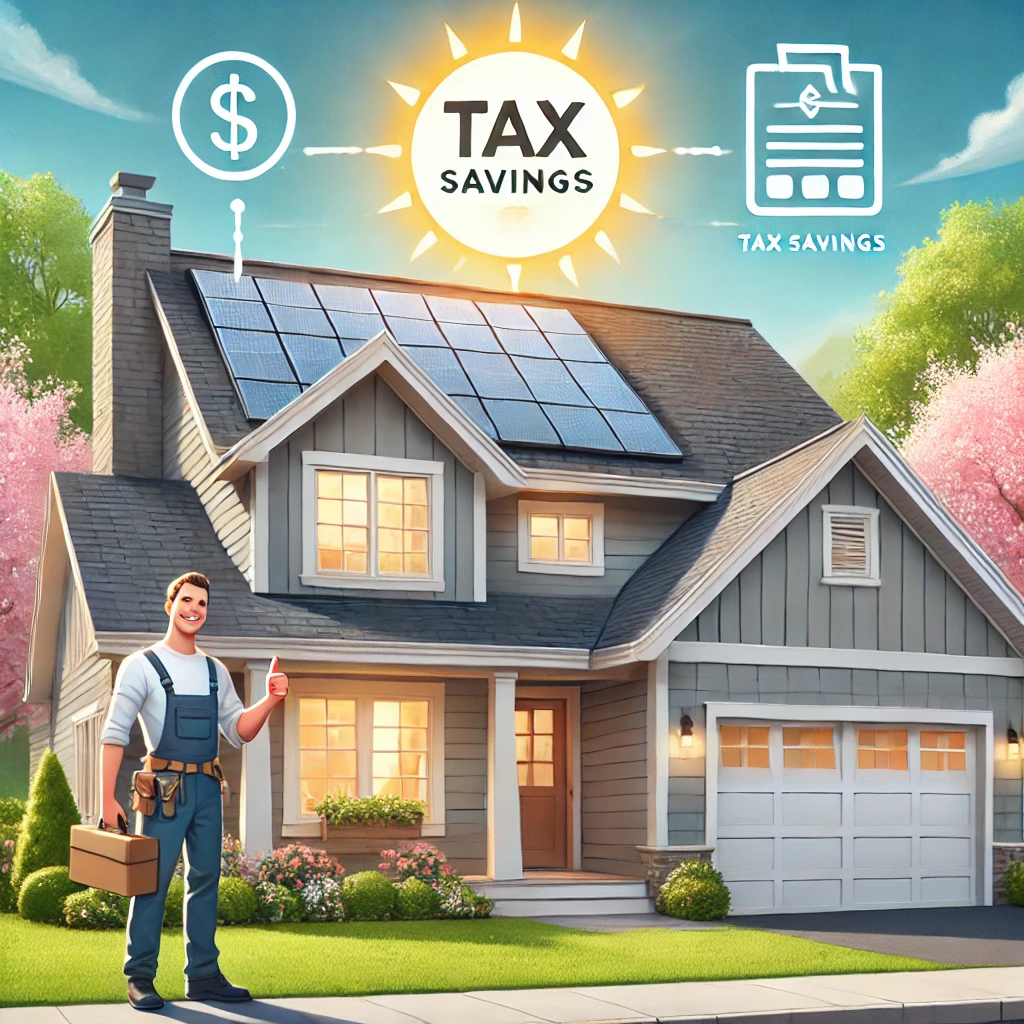
Okay, folks, let’s talk roofs. Not just any roofs, but the kind that might actually pay you back. Yes, you read that right. Remember that time your Aunt Mildred proudly announced she got a tax break for installing low-flow toilets? Well, get ready, because your roof might be next in line for some government love (and a bit of cash back).
Roofing and the Great Tax Credit Mystery
The question is: does a new roof qualify for an energy tax credit? The answer, like a particularly stubborn roofing nail, isn't always straightforward. It's not as simple as slapping on any old shingle and expecting Uncle Sam to throw money your way. There's a little more to it than that. Think of it like this: your roof needs to be a superhero, not just a pretty face. It needs to actively fight against energy waste.
The key thing to remember is that it’s not usually the entire roof itself that qualifies, but rather specific components designed to improve energy efficiency. We're talking about specialized roofing products, not your standard, run-of-the-mill asphalt shingles. We're talking about the insulation, the cool roofing materials, and other elements that work together to make your house more energy efficient.
Must Read
"A roof isn't just shelter; it's a potential energy-saving powerhouse!" - Some roofing guru, probably.
Decoding the Energy Efficiency Code
So, what kind of superhero moves does your roof need to pull off to qualify? Well, the government (bless their bureaucratic hearts) has specific requirements. Generally, the focus is on products that are designed to reduce heat gain. This is particularly important in warmer climates where keeping your house cool is a constant battle against the sun's relentless rays.
Think about those fancy "cool roofs" you've seen advertised. These roofs are made with materials that reflect sunlight and absorb less heat than traditional roofing. This can significantly lower your air conditioning bills, which, in turn, makes the government happy (and your wallet even happier). These are the kinds of features that catch the eye of the tax credit gods.
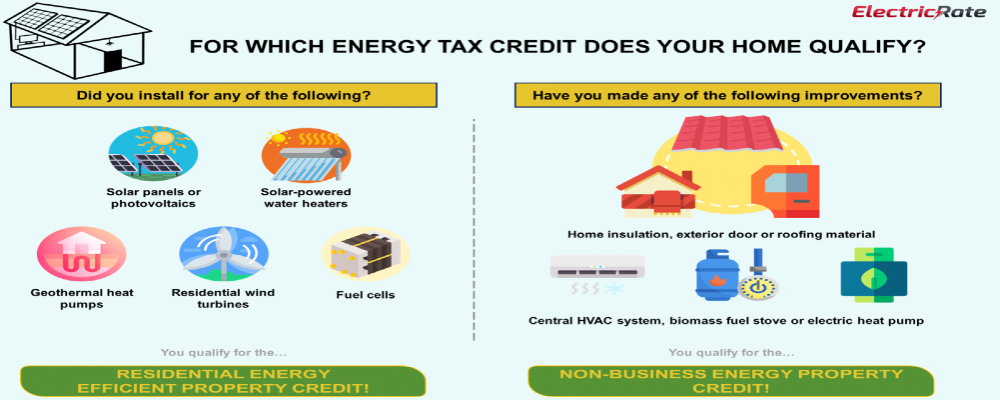
Also, don't underestimate the power of proper insulation. A well-insulated attic is like a cozy sweater for your house, keeping the heat in during the winter and out during the summer. If you're upgrading your roof, it's a perfect opportunity to boost your insulation game as well. Make sure you keep records of everything and confirm your project meets the minimum requirement of R-value.
Navigating the Tax Credit Labyrinth (Without Getting Lost)
Now, here’s the part where things can get a little…complicated. Tax laws are never exactly a barrel of laughs, are they? But don't despair! The best way to navigate this is to do your homework and talk to the right people.

First, talk to your roofing contractor. A reputable contractor should be knowledgeable about energy-efficient roofing products and which ones qualify for tax credits. They can help you choose the right materials and ensure that your installation meets the necessary requirements.
Second, consult a tax professional. They can provide personalized advice based on your specific situation and help you navigate the often-confusing world of tax credits and deductions. They can also help you determine which forms you need to fill out and what documentation you need to provide.
Finally, keep meticulous records. Save all receipts, invoices, and product specifications. You'll need these to prove that you purchased and installed qualifying energy-efficient roofing products. Think of it as building your own case to convince the tax authorities that you deserve that sweet, sweet tax credit.
The Feel-Good Factor (and a Little Bit of Green)
Beyond the potential tax savings, there's a certain satisfaction that comes from knowing you're doing your part to reduce your carbon footprint. You're not just protecting your home; you're also helping to protect the planet. And let's be honest, that's a pretty good feeling.
So, the next time you look up at your roof, don't just see shingles and flashing. See a potential source of energy savings, tax credits, and good karma. Who knew a roof could be so rewarding?
