Does A New Air Conditioner Qualify For Tax Credit

Okay, folks, let's talk about something that's both thrilling and potentially wallet-fattening: Tax Credits for new air conditioners! Yes, you heard that right. The government, in its infinite wisdom (and a dash of environmental consciousness), is offering you, the fabulous homeowner, a chance to recoup some of that hard-earned cash when you upgrade to a more energy-efficient cooling system. Think of it as a little "thank you" for saving the planet, one BTU at a time.
So, Does YOUR New AC Qualify? Let's Investigate!
This isn't like winning the lottery, unfortunately. There are a few hoops to jump through. But fear not! We're going to break it down like a block of ice on a hot summer day – easily!
The Key Players: Efficiency Ratings
Think of your air conditioner's efficiency rating as its report card. Instead of grades, we have acronyms! The most important ones to remember are SEER (Seasonal Energy Efficiency Ratio) and EER (Energy Efficiency Ratio). These ratings tell you how efficiently your AC unit cools your home for every unit of energy it consumes. The higher the number, the less energy your AC drinks, and the more money you save.
Must Read
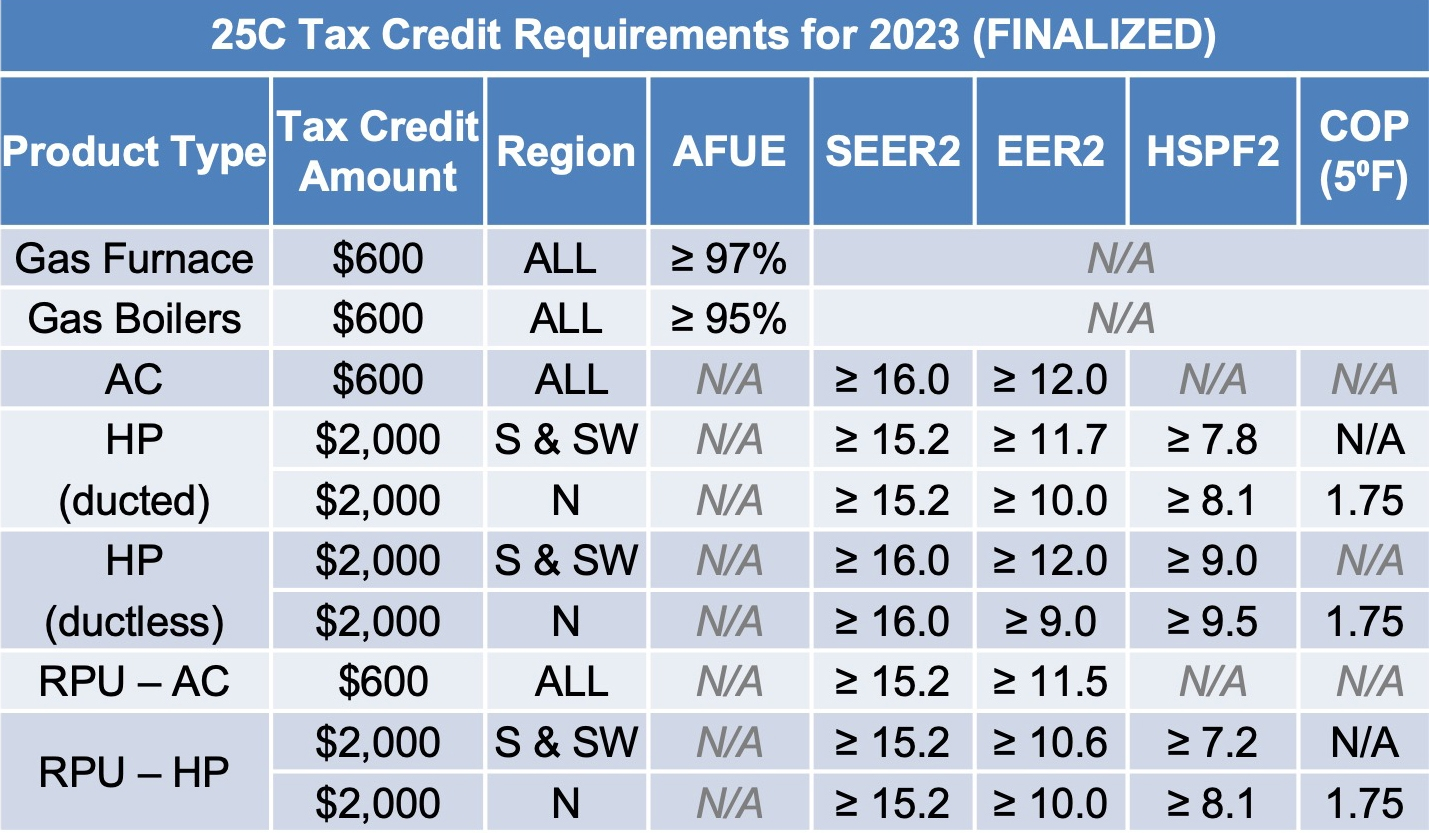
To qualify for a tax credit, your new AC unit generally needs to meet certain minimum SEER and EER requirements. These requirements can change, so it's crucial to check the latest guidelines from the IRS or the Energy Star website. Think of it like this: you wouldn't try to enter a chili cook-off with a bowl of lukewarm soup, would you? Your AC needs to be a top performer!
The Fine Print (But We'll Make it FUN!)
Now, here's where things can get a little... detailed. But don't run away screaming! We'll keep it light. Typically, the tax credits are based on the type of AC unit you install. Is it a central air conditioner, a heat pump, or something else entirely? Each category has its own set of rules. Imagine it like ordering from a gigantic menu – you need to know which section applies to your craving (or, in this case, your cooling needs).

Also, keep meticulous records! You'll need the model number, purchase date, and proof of efficiency ratings for your new unit. Think of it as collecting treasure – each document is a shiny doubloon leading you to the tax credit bounty!
Don't Forget the Installation!
This isn't a DIY project for the faint of heart (or those with two left thumbs). Generally, the AC unit needs to be installed in your primary residence. And, here's a crucial point: make sure it's installed correctly! An improperly installed AC is like a race car with a flat tire – it's not going anywhere fast. Consider hiring a qualified HVAC technician. They'll not only install the unit properly but can also often help you navigate the tax credit paperwork. They're like your friendly neighborhood AC tax credit gurus!

How Much Money Are We Talking About?
Okay, the moment you've all been waiting for! How much cash can you expect to get back? The exact amount varies depending on the specific tax credit program and the efficiency of your AC unit. It could be a percentage of the purchase price, or a fixed dollar amount. Think of it as a surprise birthday gift – the exact amount is a mystery, but you know it's going to be good!
The Bottom Line: Do Your Homework!
The key takeaway here is research! Don't just waltz into an appliance store and buy the shiniest AC unit you see. Ask questions! Talk to the salesperson, consult with your HVAC technician, and scour the Energy Star website. Knowledge is power, my friends, and in this case, it's also money!

"A penny saved is a penny earned… and a tax credit earned is even better!" – Confucius (probably, if he had air conditioning)
So, there you have it! The exciting world of air conditioner tax credits, demystified. Go forth, upgrade your AC, save the planet (a little bit), and maybe even take a small vacation with your tax refund. You deserve it!
Disclaimer: I am not a tax professional. Please consult with a qualified tax advisor for personalized advice. And remember, always double-check the latest IRS guidelines for the most up-to-date information. Happy cooling!