Ever peeked into a bustling workshop or seen a welding wizard at work? You might have noticed a large, often imposing gas tank standing guard beside the welding machine.
It’s a common sight, making many believe that welding and a hefty gas cylinder go together like peanut butter and jelly. But what if we told you there’s a secret, a rebel path in the world of metal fusing?
This path bravely steps away from the big tanks. It questions the age-old assumption: Does a MIG welder actually require gas?
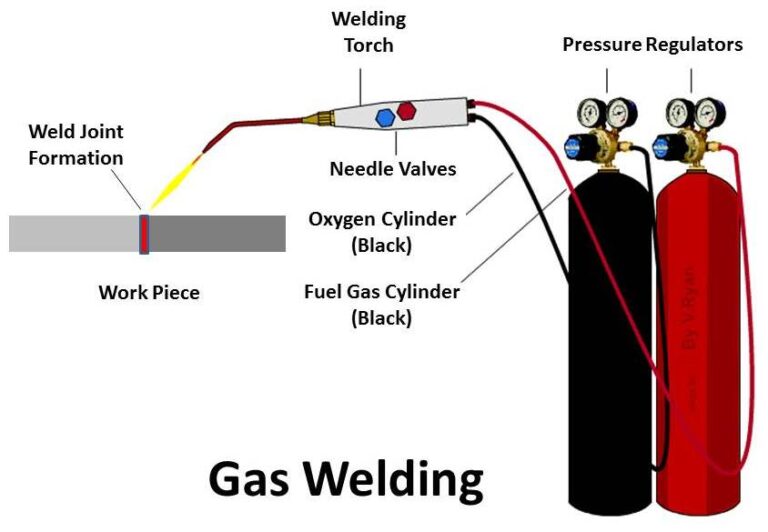
For a long time, the answer to that question seemed obvious. Most welding machines, especially the slick MIG welders, use something called shielding gas.
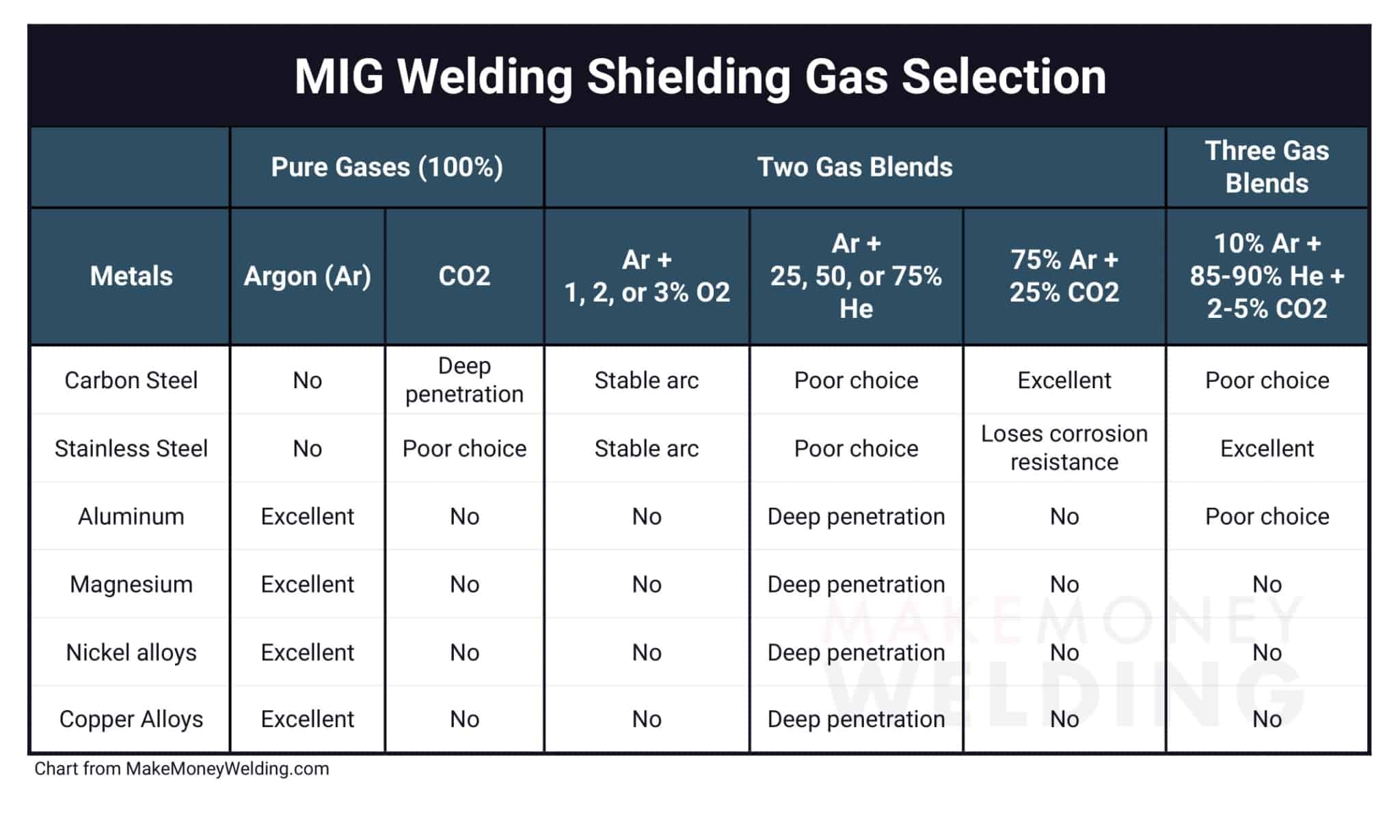
This gas, often a mix of argon and CO2, plays a crucial role. It creates a protective bubble around the molten weld pool.
Without this invisible shield, oxygen and other atmospheric nasties would contaminate the weld. This contamination leads to brittle, weak, and generally ugly joints.
So, the traditionalists will quickly tell you: "Of course you need gas! It's essential for a strong, clean weld." They often point to the beautiful, smooth beads created with gas as proof.
There's no denying the beauty of a gas-shielded weld. They are often incredibly smooth and require very little post-weld cleanup. They truly shine on thinner metals.
Enter the Maverick: The Gasless Wonder
But wait! Hold your horses and your gas cylinders. There’s another player in this game, one that boldly says, "Who needs a tank?"
Explained: Best MIG Welding Shielding Gas To Use
This is where the concept of flux-cored arc welding comes in. It's often bundled into the same machines that do MIG welding, making it seem like a close cousin.
The magic isn't in a separate gas tank. Instead, it’s hidden within the special welding wire itself. This wire is called flux-core wire.
Inside this tubular wire is a powdery flux material. As you weld, this flux burns, creating its own protective gas shield.
Presto! No external gas tank required. The wire does all the heavy lifting, both literally and figuratively.
This means you can leave that bulky tank behind. Imagine the freedom!
The Joy of Going Gasless: A Playful Perspective
Why would anyone choose to abandon the clean, gas-shielded path? Well, for starters, convenience is king.
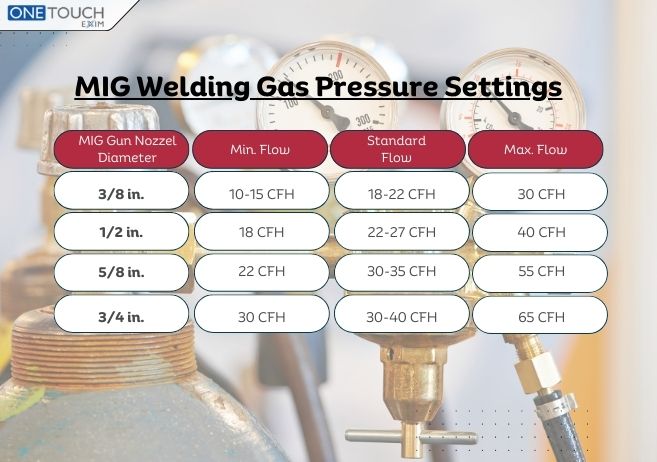
How To Weld Mig With Gas at Tracy Olson blog
No more trips to refill expensive gas bottles. No more worrying about gas lines or regulators failing. Just plug in, load your special wire, and you’re ready to fuse.
Think about portability. Sling your welder over your shoulder, take it to the furthest corner of your yard, or even to a friend's place. There's no heavy tank tethering you down.
Then there’s the sheer resilience of gasless welding. Wind is the enemy of traditional gas shielding, blowing away that precious protective bubble.
But with flux-core? The internal shielding laughs in the face of a breeze. Outdoor welding becomes a joyous, less frustrating affair.
For quick repairs, rusty metal, or dirty surfaces, gasless welding often performs like a champ. It handles less-than-perfect conditions with surprising grace.
It might not produce the prettiest, smoothest bead every time. But it gets the job done, often with remarkable strength and speed.
"Sometimes, the perfect weld isn't about looking pretty, but about holding strong."
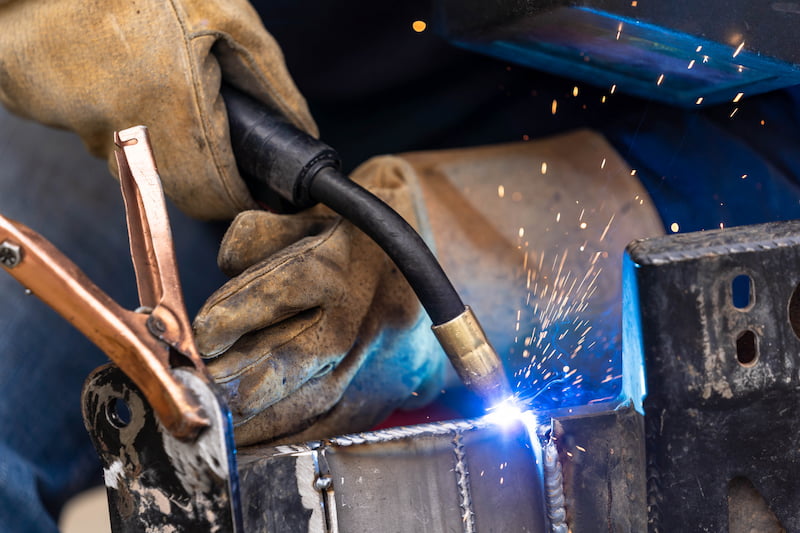
What is MIG welding & How does it work? Comprehensive Guide
The Trade-Offs: A Pinch of Playful Grime
Of course, no hero is without their quirks. Gasless welding does come with a few playful trade-offs.
Because the flux burns, it creates a layer of slag on top of the weld. This slag needs to be chipped off after you’re done.
It’s like the crispy bits at the bottom of a delicious lasagna – tasty, but you have to scrape them away. You'll definitely need a wire brush and a chipping hammer.
Also, gasless welding tends to produce a bit more spatter. These are small little metal droplets that fly off the weld and stick to your workpiece.
They’re like tiny metal sprinkles, but not the delicious kind. They also need to be cleaned up for a neater finish.
And yes, there’s usually more smoke. It’s part of the flux’s shielding process. So, good ventilation is still your friend.
Does MIG Welding Require Gas? Does It!
But for many DIY enthusiasts and backyard mechanics, these minor inconveniences are a small price to pay. The advantages of convenience and outdoor capability often outweigh the extra cleanup.
So, Does It Require Gas? The "Unpopular" Verdict
The short, fun answer is: not always!
While traditional MIG welding absolutely relies on that gas tank for pristine welds, many versatile MIG machines can also run flux-cored wire without any external gas.
It’s like having a car that can run on both premium and regular fuel. You choose based on your needs, your budget, and the kind of journey you're embarking on.
So next time you see a welder, don’t assume they're hauling around a giant cylinder. They might just be one of the cool kids, embracing the gasless revolution.
They’re proving that sometimes, the best way to get things done is to lighten the load. And perhaps, spark a little playful debate along the way!
Embrace the versatility, fellow metal enthusiasts. Whether you're a gas purist or a flux-core fanatic, there's a welding method out there for every project and every personality.