Does A House Have To Pass Inspection To Be Sold
Let's face it, house hunting can be exhilarating! Imagine scrolling through listings, picturing your life unfolding within those walls, choosing paint colors, and mentally arranging furniture. But before you pop the champagne and sign on the dotted line, there's a crucial step that can make or break your dream home: the home inspection. And the question on everyone's mind is: does a house have to pass inspection to be sold? The short answer is, delightfully, no. But the reality is a bit more nuanced.
Think of a home inspection as a detailed health check-up for a property. It's not about getting a gold star or failing grade. Instead, it's about uncovering any underlying issues, from a leaky roof to faulty wiring, that could become expensive headaches down the road. The beauty of an inspection lies in its power to empower you, the buyer. It provides you with the essential information needed to make an informed decision, whether you're buying your first starter home or upgrading to your forever abode.
Home inspections serve a multitude of purposes. They identify safety hazards like mold, asbestos, or radon. They assess the structural integrity of the building, checking for foundation cracks or wood rot. They evaluate the functionality of major systems, ensuring that the plumbing, electrical, and HVAC systems are working correctly. Common examples include detecting plumbing leaks, identifying improperly installed electrical outlets, and flagging issues with the heating and cooling systems. This allows potential buyers to negotiate repairs with the seller, adjust the purchase price, or even walk away from the deal if the problems are too significant. Sellers might use inspections to get ahead of any potential issues, fixing them prior to listing, thereby making their home more desirable.
Must Read
So, how can you make the most of the home inspection process? Here are some practical tips:
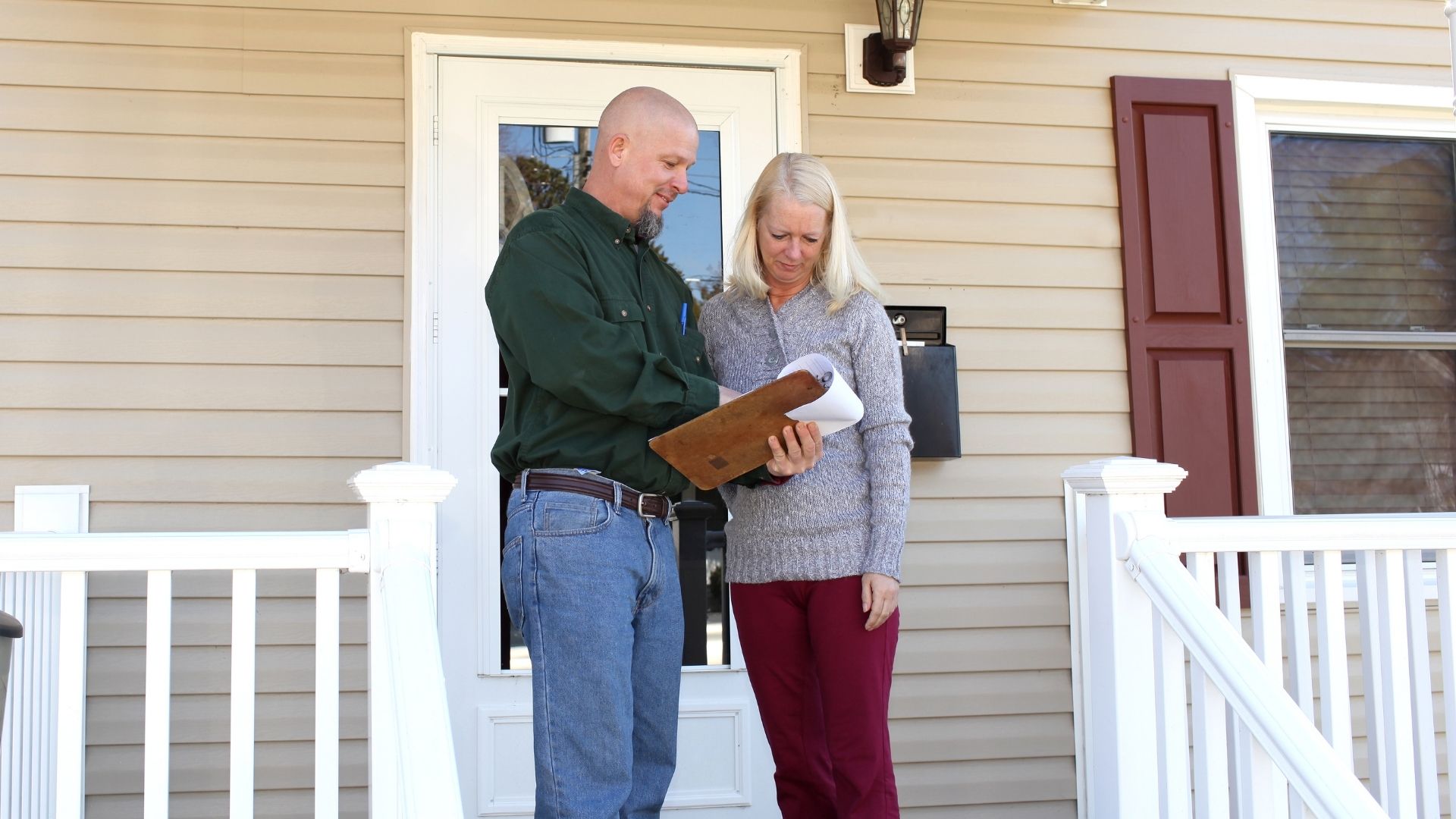
- Be Present: Attend the inspection! Walking through the property with the inspector allows you to ask questions and gain a deeper understanding of any identified issues. Don't be afraid to ask for clarification.
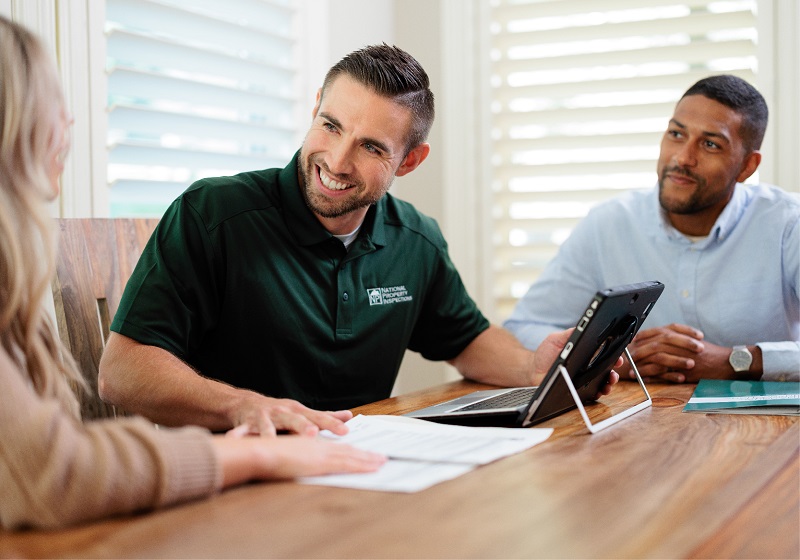
- Choose Wisely: Select a qualified and experienced home inspector with a solid reputation. Look for certifications from reputable organizations and read online reviews. A good inspector should be thorough, communicative, and unbiased.
- Read the Report Carefully: Don't just skim the summary! Take the time to read the entire report and understand the details of each finding. Pay close attention to any recommendations for further evaluation or repairs.
- Don't Sweat the Small Stuff: Every home has minor imperfections. Focus on the significant issues that could impact the safety, functionality, or value of the property. Learn to prioritize and understand the difference between a cosmetic flaw and a major structural problem.
- Negotiate Strategically: Use the inspection findings as leverage to negotiate with the seller. You can ask them to make repairs, lower the purchase price, or provide a credit at closing. Be prepared to compromise, but don't be afraid to walk away if you're not comfortable with the outcome.
Ultimately, the home inspection is a valuable tool in the real estate process. It’s not a pass/fail test, but an opportunity to gain valuable insights into the property you're considering buying. By approaching it strategically and thoughtfully, you can protect your investment and ensure that your dream home doesn't turn into a financial nightmare. Remember to breathe, ask questions, and trust your gut! Buying a home is a big decision, and being informed is key to enjoying the process.