
Does A Fan Spin Clockwise Or Counterclockwise
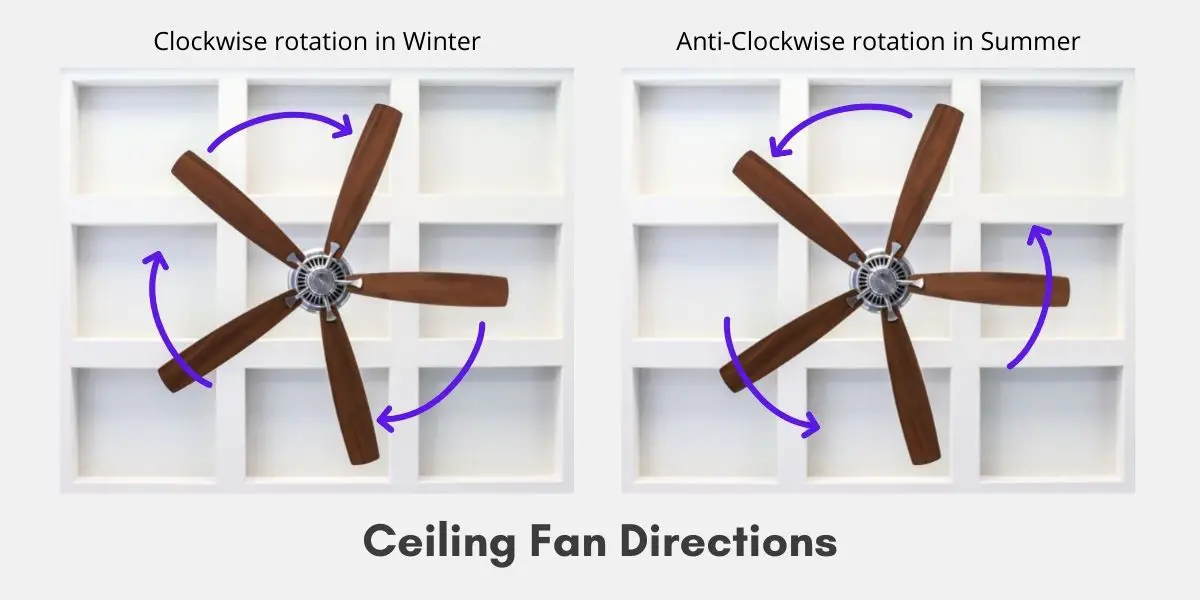
Okay, so picture this: I'm lying in bed, utterly defeated by the summer heat. The ceiling fan is doing its best, but my brain, fueled by caffeine and existential dread, suddenly latches onto a new obsession. Is that fan...spinning the right way? Like, clockwise or counterclockwise? It's the kind of question that keeps you up at night, right? Don't pretend you haven't been there. (We've all been there.)
This seemingly simple question sparked a deep dive. A very deep dive. A dive so deep it involved YouTube videos of engineers explaining airflow and arguments with my roommate about the very serious consequences of incorrect fan direction. Turns out, it's not as straightforward as you might think. So, let's get into it, shall we?
The Great Fan Debate: Clockwise vs. Counterclockwise
The short answer? It depends! Cue dramatic music. It depends on the season, my friend. Mind. Blown.
Must Read
Summer Mode (Counterclockwise):
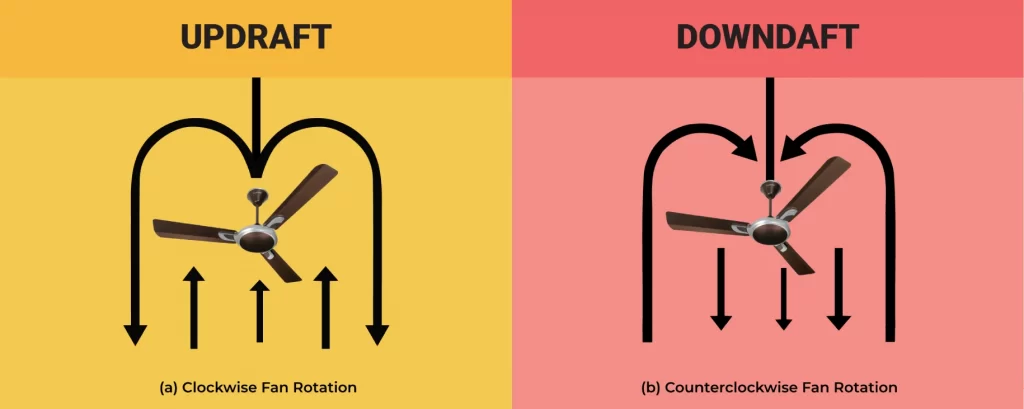
During the summer, you want your fan to spin counterclockwise. Think of it this way: the fan blades are like little air-pushing ninjas. When they spin counterclockwise, they're designed to push air downward, creating a nice, refreshing breeze. This breeze helps to cool you down by evaporating sweat from your skin. Ahhh, sweet relief.
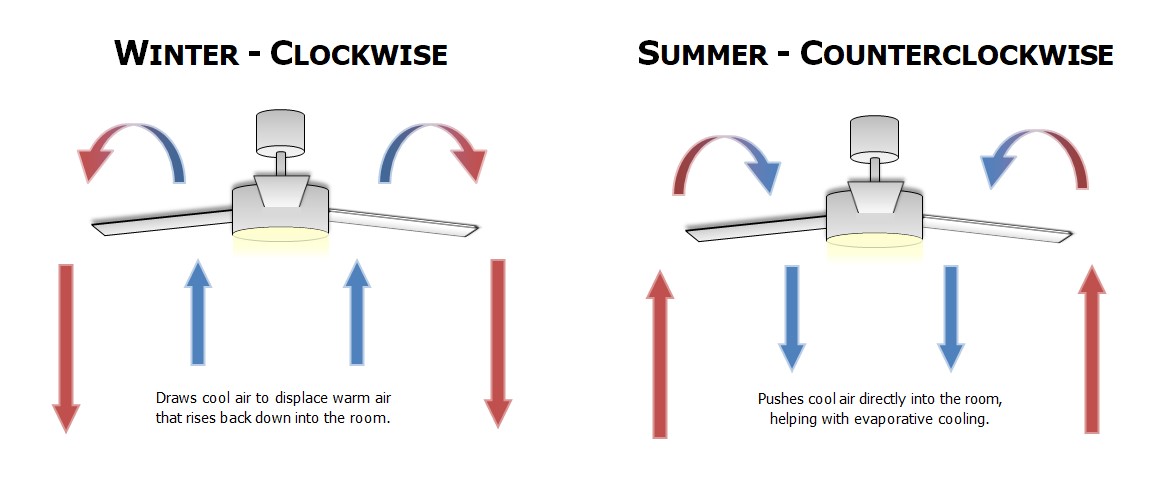
Essentially, you're creating a wind chill effect. Even if the air temperature itself isn't changing, the moving air makes you feel cooler. It's science! (Or, you know, physics. Potato, potahto.)
Winter Mode (Clockwise):
Now, for the plot twist. In the winter, you want your fan to spin clockwise. But wait! Why would you want a breeze in the winter? That sounds awful!
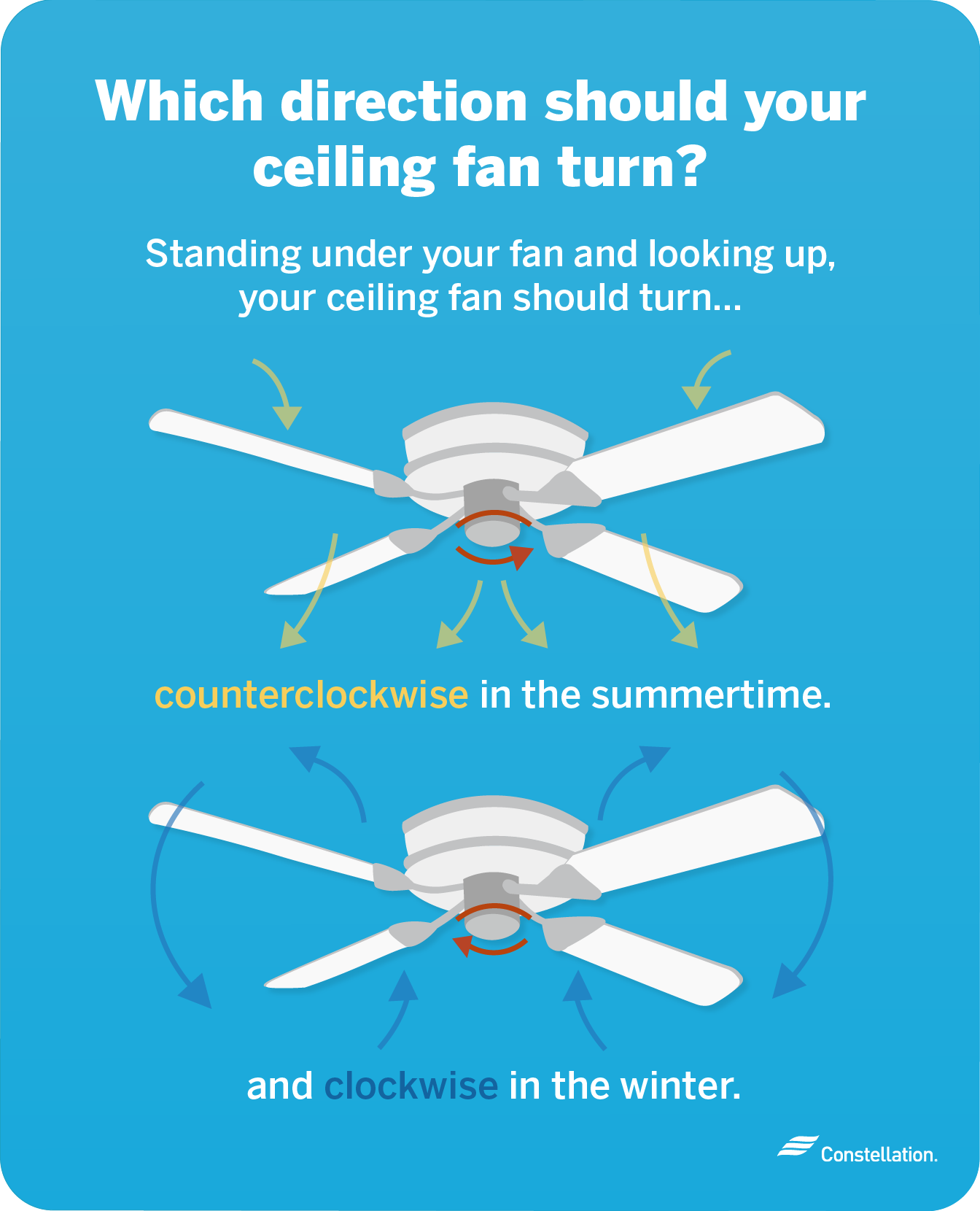
The key here is low speed. We're not talking about gale-force winds here. Set the fan to its lowest setting. When the fan spins clockwise at a slow speed, it pulls air upward. This helps to redistribute warm air that naturally rises to the ceiling. Hot air rises. Basic stuff, I know, but sometimes we need a reminder. Think of it as a gentle push to even out the temperature in the room, so your toes don't freeze while your head is sweating.
Important note: You might not feel a direct breeze when the fan is in winter mode. That's the point! You're just trying to circulate the air, not create a wind tunnel in your living room.

How to Change Your Fan's Direction (The Easy Part)
Okay, so you're convinced. You want to optimize your fan for maximum comfort. How do you actually do it? Most ceiling fans have a little switch on the motor housing. It's usually located near the blades. This switch controls the direction of the fan's rotation.
Pro Tip: Make sure the fan is completely stopped before you flip the switch! Safety first, kids. We don't want any rogue fan blades taking out your eyebrows.
If you can't find the switch, consult your fan's manual (assuming you haven't already tossed it into the abyss of forgotten instruction manuals). A quick Google search with your fan's model number should also do the trick.
So, Does it Really Make a Difference?
Honestly? Yes, it does! Especially in the winter. Redistributing that warm air can make a noticeable difference in your heating bill and overall comfort. In the summer, the counterclockwise breeze is a lifesaver, particularly if you don't have air conditioning.
Don't underestimate the power of a correctly spinning fan. It's a simple change that can have a surprisingly big impact. Plus, you'll finally have an answer for that nagging question that's been plaguing you. You can thank me later.
Now, if you'll excuse me, I'm going to go check my fan... just to be sure. You know, for science!