Does A Dishwasher Use Less Water

Ever found yourself standing at the sink, hands deep in soapy water, wondering if you’re doing the planet a favor or just wasting precious H2O? Or maybe you’re eyeing your dishwasher, pondering if that humming marvel is truly a water-saver or just a convenient illusion. It’s a wonderfully common, slightly obsessive, and surprisingly relevant question that many of us casually ponder: Does a dishwasher actually use less water than handwashing? Let's dive into this bubbly debate with a splash of curiosity!
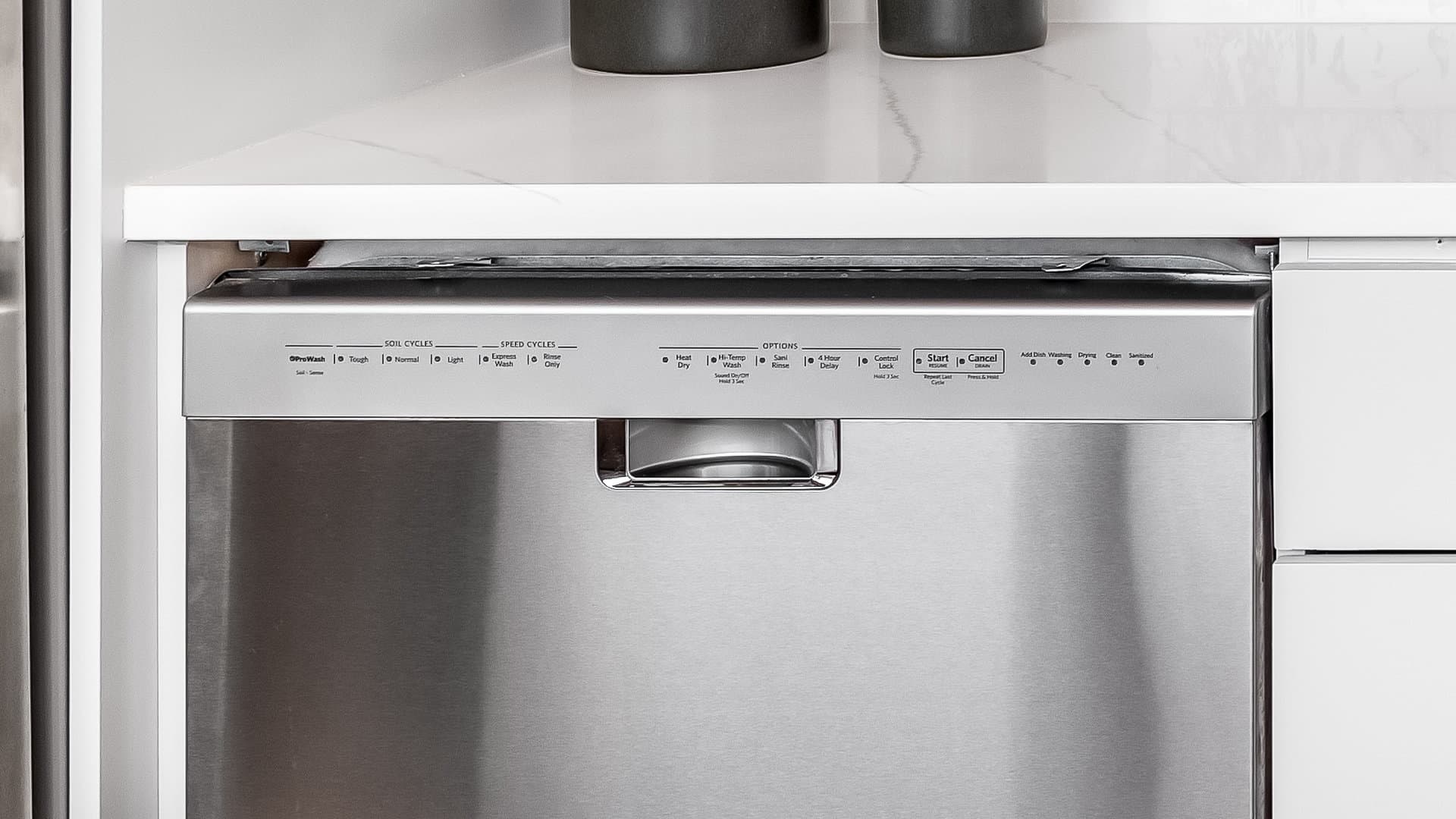
The primary purpose of a dishwasher, beyond the obvious time-saving and marital harmony-preserving benefits, is often rooted in efficiency. Modern dishwashers are engineering marvels designed to clean effectively using minimal resources. They employ smart sensors that detect how dirty your dishes are, adjusting water use accordingly. They spray water strategically, ensuring every nook and cranny gets a good scrub without the need for a continuously running tap. Think about it: when you handwash, how often do you leave the faucet running while you scrub, rinse, and then scrub some more? Most of us are guilty of it, even with the best intentions! Dishwashers, on the other hand, recirculate water within their enclosed system, heating it to optimal temperatures for sanitization and using far less water overall for a full load compared to the average handwashing session.
This isn't just a fun fact; it has real-world implications. In daily life, understanding this means we can make more informed choices about our household chores. A family, for instance, might decide to run their dishwasher only when completely full, knowing that this maximizes its water-saving potential. It’s a simple way to contribute to water conservation efforts without sacrificing cleanliness or convenience. In an educational context, this topic is a fantastic illustration of applied science and sustainability. It highlights how technology can be harnessed to manage resources more effectively, teaching us about appliance efficiency ratings like Energy Star and the importance of mindful consumption. It’s a tangible example of how small daily decisions can collectively impact our environmental footprint.
Must Read
So, how can you explore this fascinating question yourself? A simple way is to check the user manual or Energy Star label on your dishwasher; it will often state the exact amount of water used per cycle (usually between 3-5 gallons for modern models). Then, try a small experiment: time yourself handwashing a typical load of dishes, consciously trying to be efficient, and measure how much water you use. You might be surprised! Another practical tip is to load your dishwasher strategically, avoiding excessive pre-rinsing (which wastes water before the cycle even begins) and ensuring it’s completely full before starting. If your dishwasher has an "eco" or "light wash" setting, experiment with that. Remember, older models might be less efficient, so an upgrade could even be a water-saving investment. Embrace the curiosity – your dishes, your water bill, and the planet might thank you!
For more details, you can refer to resources like the EPA's Energy Star program or consumer reports on appliance efficiency.