
Does A Dishwasher Need To Be On Its Own Circuit
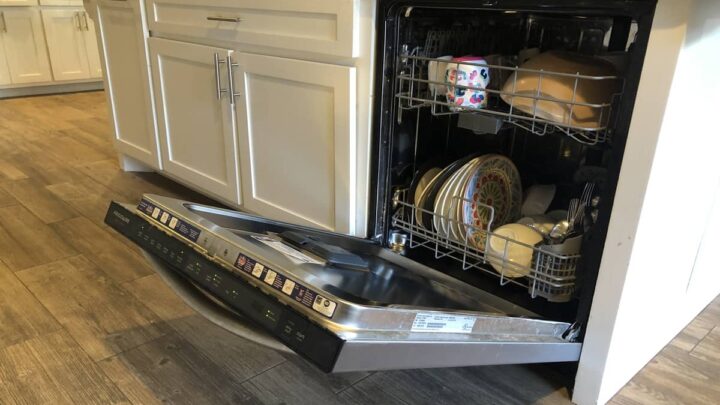
Ever wondered if your trusty dishwasher is secretly hogging all the electrical power? It's a valid question! Let's dive into the fascinating world of dishwasher electricity and dedicated circuits.
The Great Circuit Debate: Dishwashers Edition
So, does your dishwasher need its own personal electrical runway? Is it a spoiled appliance diva, demanding exclusive access? Let's uncover the truth!
The Case for a Dedicated Circuit
Imagine your dishwasher is like a star athlete. It needs a dedicated training ground to perform at its peak. A dedicated circuit ensures it gets all the electrical juice it needs, without sharing with other power-hungry devices.
Must Read
Think of it as avoiding a power struggle. No fighting with the microwave or the toaster oven for precious electricity. This can help prevent tripped breakers. And who wants to deal with that headache?
Sharing circuits can lead to issues, like your dishwasher not heating properly. Imagine trying to wash dishes with lukewarm water. Gross, right?
The Potential Pitfalls of Shared Circuits
Overloaded circuits are a big no-no. They can lead to flickering lights. They might even cause electrical fires. Yikes!
Picture this: You're running the dishwasher, and suddenly, everything goes dark. That's a tripped breaker. And it's usually not a fun experience.
Sharing a circuit with other appliances can put a strain on your electrical system. It's like asking one tiny wire to handle the workload of a whole team. Eventually, it's going to crack under pressure.
Decoding Your Dishwasher's Electrical Needs
Every dishwasher is a bit different. Just like people, they have unique energy appetites. Knowing your dishwasher's electrical requirements is key.
Check the manufacturer's specifications. They'll tell you exactly how much power your dishwasher needs. Look for the voltage and amperage ratings.
This information is usually found on a label. It might be on the back of the dishwasher or in the owner's manual. Arm yourself with this knowledge!
Spotting the Signs of an Overloaded Circuit
Is your dishwasher acting a little…off? Are you noticing strange electrical quirks? It might be a sign of an overloaded circuit.
![Does A Dishwasher Need A Dedicated Circuit? Direct Answer [2023]](https://interiorgap.com/wp-content/uploads/2023/04/Does-A-Dishwasher-Need-A-Dedicated-Circuit-1.jpg)
Flickering lights when the dishwasher is running? That's a red flag. Tripped breakers are another telltale sign.
Warm outlets or burning smells are serious warning signs. If you notice these, turn off the circuit breaker immediately and call an electrician. Safety first!
When to Call in the Electrical Experts
Dealing with electricity can be tricky. If you're not comfortable working with electrical wiring, don't risk it. Call a qualified electrician.
They can assess your electrical system. They can determine if your dishwasher needs a dedicated circuit. And they can install one safely and correctly.
Think of them as electrical superheroes. They can swoop in and save the day. And prevent potential electrical disasters.
The Code Connection: What the Rules Say
Electrical codes exist to keep us safe. They provide guidelines for electrical installations. This includes requirements for appliance circuits.
Understanding Local Electrical Codes
Electrical codes vary by location. It's important to know the codes in your area. This helps ensure your electrical work is up to par.
Contact your local building department. They can provide information on the applicable electrical codes. Compliance is key!
Following the code helps prevent electrical hazards. It ensures your home's electrical system is safe and reliable. Peace of mind is priceless.
The National Electrical Code (NEC): A Guiding Light
The National Electrical Code (NEC) is a widely adopted standard. It provides comprehensive guidelines for electrical safety. It's a go-to resource for electricians.
![Does A Dishwasher Need A Dedicated Circuit? Direct Answer [2023]](https://interiorgap.com/wp-content/uploads/2023/04/Does-A-Dishwasher-Need-A-Dedicated-Circuit-2.jpg)
The NEC specifies requirements for appliance circuits. It helps ensure safe and proper electrical installations. It is like the bible for electricians.
While the NEC isn't law, many jurisdictions adopt it. It serves as a foundation for local electrical codes. So knowing it is always helpful.
DIY vs. Calling a Professional: A Fork in the Road
Tackling electrical work yourself can be tempting. But is it the right choice? Let's weigh the pros and cons.
The Allure of DIY Electrical Work
DIY projects can save money. They can also be satisfying. But electrical work requires expertise. It's not always the best DIY project.
Unless you have extensive electrical experience, proceed with caution. Electricity is not something to be taken lightly. Mistakes can be dangerous.
There are many safe home improvement projects. But sometimes it is better to leave it to the professionals. Particularly, when it comes to electricity.
Why Hiring an Electrician is Often the Best Bet
Electricians are trained professionals. They have the knowledge and skills to handle electrical work safely. They know how to identify potential hazards.
They can ensure your electrical work meets code. They can prevent future problems. And they can give you peace of mind.
Hiring an electrician is an investment in your safety. It's often the wisest choice. Especially when dealing with complex electrical issues.

Boosting Your Dishwasher's Performance: Tips and Tricks
Whether your dishwasher has a dedicated circuit or not, there are ways to optimize its performance. Let's explore some handy tips and tricks.
The Importance of Proper Installation
Proper installation is crucial for dishwasher performance. Make sure the dishwasher is level. Ensure all connections are secure.
A poorly installed dishwasher can leak. It might not drain properly. And it can be noisy.
Follow the manufacturer's instructions carefully. Or hire a professional installer. This will help ensure optimal performance.
The Power of Regular Maintenance
Regular maintenance keeps your dishwasher running smoothly. Clean the filter regularly. Check the spray arms for clogs.
Run a cleaning cycle with vinegar or a dishwasher cleaner. This helps remove buildup and odors. A clean dishwasher is a happy dishwasher.
Inspect the hoses for cracks or leaks. Replace them as needed. Preventative maintenance can extend the life of your dishwasher.
Smart Dishwashing Habits for Energy Savings
Conserving energy is good for the environment. It also saves you money. Here are some smart dishwashing habits.
Only run the dishwasher when it's full. Avoid pre-rinsing dishes. Scrape off excess food instead.
Use the energy-saving cycle. Let the dishes air dry. These simple steps can make a big difference.

The Verdict: Dedicated Circuit or Not?
So, does your dishwasher absolutely, positively need its own circuit? The answer is…it depends! It's not always a black and white situation.
Considering Your Home's Electrical Capacity
Assess your home's electrical capacity. If your electrical system is old or overloaded, a dedicated circuit is a good idea. It's an investment in safety.
If your home has a newer electrical system and plenty of spare capacity, you might be okay sharing a circuit. But proceed with caution.
When in doubt, consult an electrician. They can evaluate your specific situation. They can provide personalized recommendations.
Weighing the Pros and Cons
Consider the pros and cons of a dedicated circuit. Enhanced safety. Improved performance. Prevention of overloaded circuits.
The main con is the cost of installation. But weigh that against the potential risks of sharing a circuit. Safety and peace of mind are invaluable.
Ultimately, the decision is yours. Make an informed choice based on your home's electrical system and your comfort level. Choose wisely!
Final Thoughts: A Spark of Knowledge
Understanding your dishwasher's electrical needs is empowering. It allows you to make informed decisions. It helps ensure your home's electrical safety.
So, go forth and conquer the world of dishwashers and electrical circuits! Armed with knowledge, you can keep your dishes sparkling clean and your home safe.
Remember, electricity is powerful. Treat it with respect. And always consult a professional when in doubt. Stay safe and keep those dishes clean!