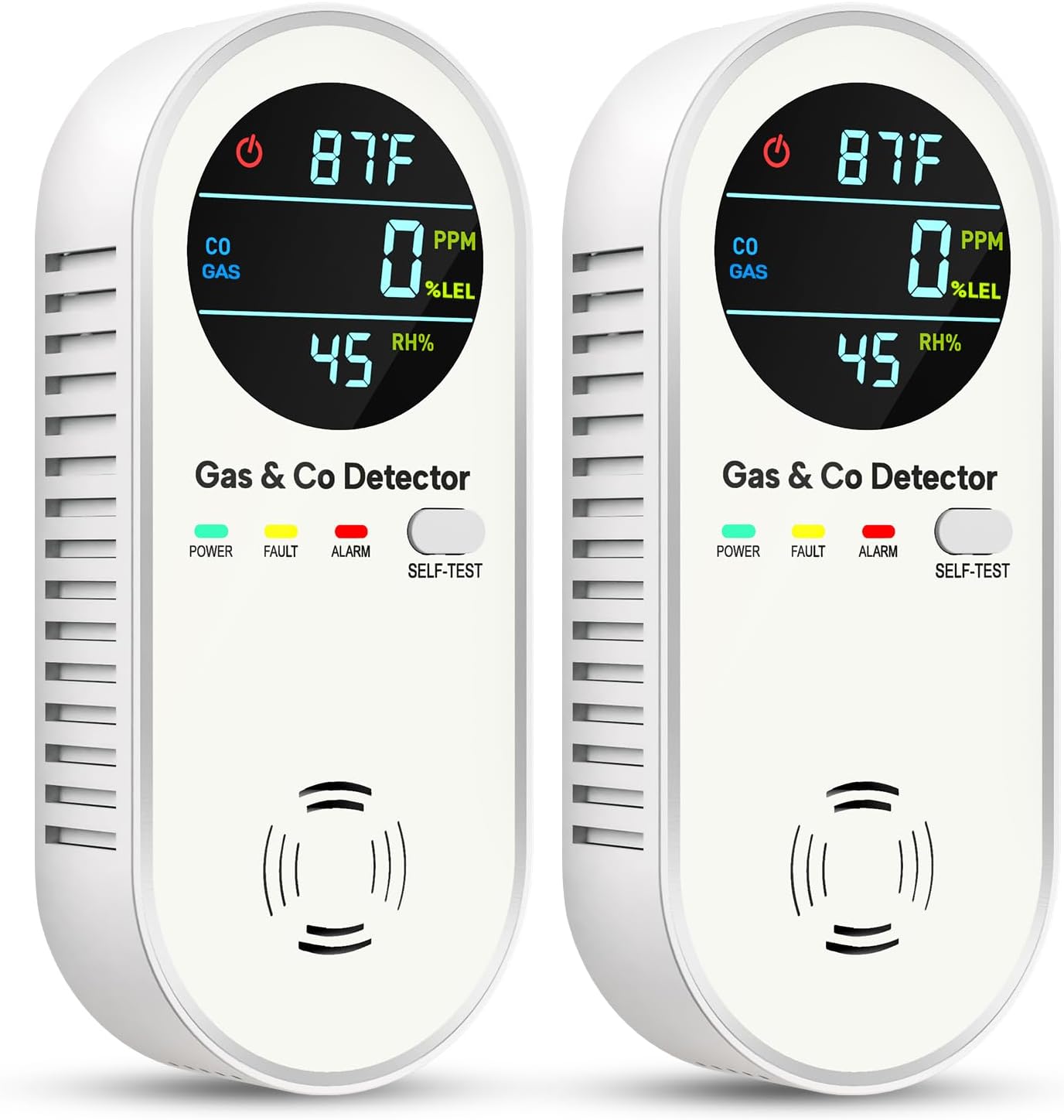
Does A Carbon Monoxide Alarm Detect Natural Gas
Okay, so picture this: You're chilling at home, maybe binge-watching that show about competitive cheese sculpting (yes, it exists!), and suddenly your carbon monoxide (CO) alarm starts screaming like a teenager who just saw their phone plummet into a swimming pool. Your first thought might be, “Gas leak! We’re all gonna blow!” But wait, hold your horses (and your cheese knife). Is it really a natural gas leak, or is your alarm just being dramatic?
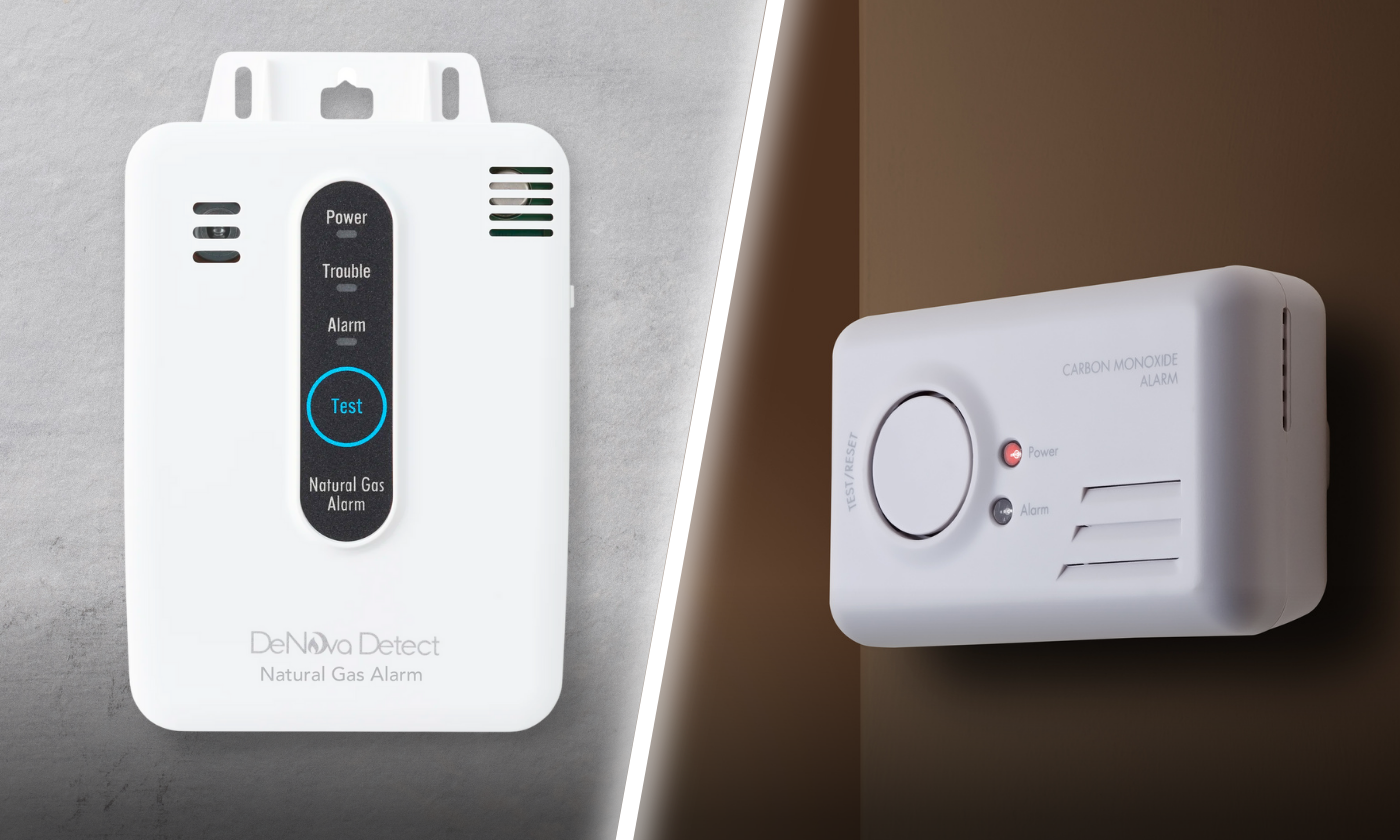
Let's get one thing straight: a carbon monoxide alarm is designed to detect, you guessed it, carbon monoxide. It’s a bit of a one-trick pony, but it’s a really important trick! Think of it like a highly specialized sniffer dog, but instead of finding contraband sausages, it finds a silent, odorless killer.
Natural gas, on the other hand, is usually methane. It's like that party guest who brings the potato salad – usually harmless (unless it's been sitting out for six hours). But wait for it... Natural gas itself is also odorless! So how do you know if you have a leak? They add something called mercaptan to give it that distinctive rotten egg smell. It’s like adding a little bit of drama to an otherwise invisible threat.
Must Read
So, Will My CO Alarm Detect Natural Gas?
The short answer? Probably not. It's like asking your cat to fetch the newspaper – they might look at you with disdain, but they're not going to do it. Carbon monoxide alarms are specifically calibrated to detect, you guessed it again, carbon monoxide. They don’t have the olfactory sophistication to pick up on mercaptan or methane.
Think of it this way: Imagine you have a smoke detector that's been triggered by burnt toast (we've all been there!). That doesn't mean your oven is leaking propane, does it? Same principle applies here.
But Wait, There’s a Twist!
Now, before you start feeling too smug about your alarm's incompetence, there is a connection. Here’s the sneaky, indirect relationship: If you have a faulty gas appliance (like a furnace, water heater, or even a grumpy old gas stove) that isn't burning fuel completely, it can produce carbon monoxide. That's when your CO alarm will go off. So, while it's not directly detecting the natural gas, it's detecting a byproduct of its imperfect combustion.
It's kind of like your friend who always ends up causing a scene at parties. They might not be the party itself, but their presence definitely signals that something is going down.

What Should I Do If I Suspect a Natural Gas Leak?
Okay, so your CO alarm is silent, but you still smell that delightful (read: horrifying) rotten egg odor. Don't panic! Just follow these steps:
- Leave immediately: Don't try to be a hero. Just get out of the house and take everyone with you, including Fluffy the cat (unless Fluffy is secretly a bomb-sniffing expert. Then maybe keep them inside).
- Call the gas company or 911 from outside: Don’t use your phone inside the house – a spark could ignite the gas. Remember, safety first!
- Don’t turn on or off any lights or appliances: Again, we're avoiding sparks here. Treat your electrical switches like they're covered in invisible, highly flammable goo.
- Open windows and doors (if you can do so safely from outside): This will help ventilate the area and dissipate the gas. Think of it as giving the gas a gentle nudge towards the exit.
The Takeaway
A carbon monoxide alarm is your trusty sidekick in the fight against carbon monoxide poisoning, but it’s not a natural gas detector. If you smell gas, trust your nose (and your survival instincts) and follow the safety steps above. And maybe lay off the competitive cheese sculpting for a while. Just saying.
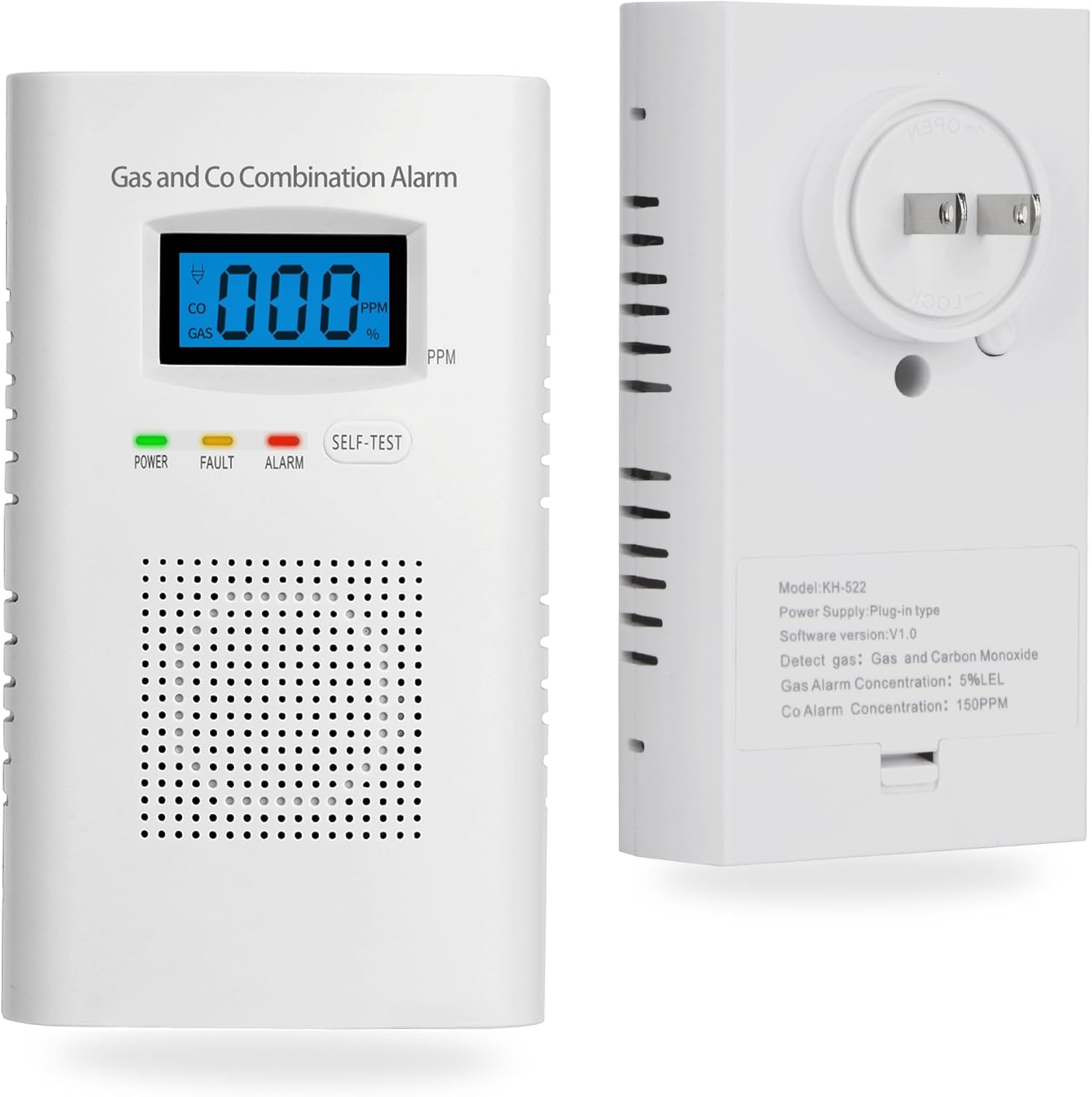
Remember, staying informed and prepared is the best way to keep your home safe and sound. Now, go forth and conquer your day, armed with this newfound knowledge! And maybe invest in a separate natural gas detector – just in case. You can never be too careful, especially when it comes to invisible, potentially explosive substances.