Does A Camper Battery Charge When Plugged In
Ever wondered about the magic that keeps the lights on and the coffee brewing in your camper van, even when you're miles away from a power outlet? It all boils down to the camper battery, and understanding how it charges is more interesting (and practical!) than you might think. We're diving into a common question: Does a camper battery charge when plugged in? Prepare to shed some light on this electrifying topic!
First, let's talk about the purpose of a camper battery. Think of it as your mobile energy reservoir. It's designed to store electrical energy, typically in the form of direct current (DC), which powers everything from your interior lights and water pump to your refrigerator and entertainment system. The benefits are obvious: freedom and flexibility! You're not tethered to a campground's electrical hookups; you can boondock (camp without hookups) and enjoy a truly immersive outdoor experience. But this freedom hinges on having a charged battery.
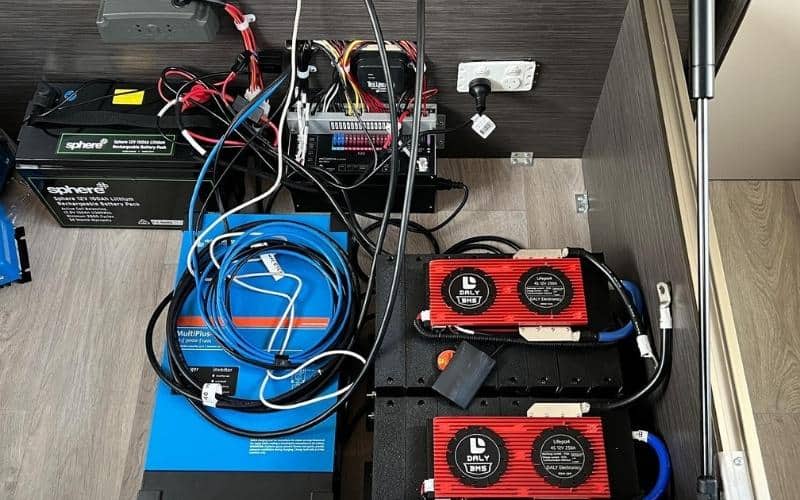
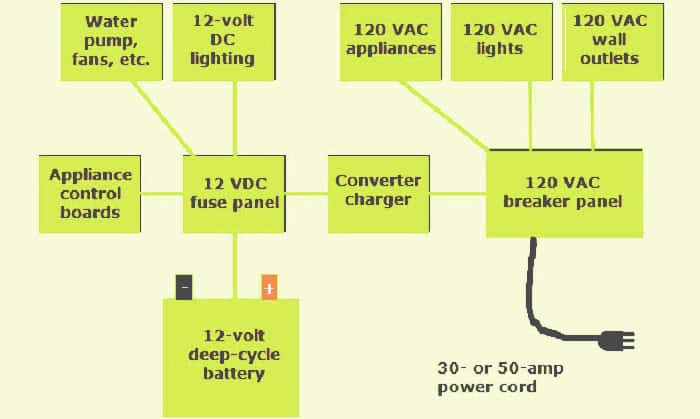
Now, to the million-dollar question: yes, generally speaking, a camper battery does charge when plugged into shore power (an external power source, like at a campground). The key component enabling this is a device called a converter or, in some cases, an inverter/charger. This device takes the alternating current (AC) from the shore power and converts it into the direct current (DC) that your camper battery needs to replenish its charge. Think of it as a translator, allowing the AC language of the campground to communicate with the DC language of your battery.
Must Read
However, there are a few nuances to consider. Not all converters are created equal. Some are basic, simply providing a fixed charging rate, while others are more sophisticated "smart" chargers. Smart chargers can sense the battery's charge level and adjust the charging rate accordingly, preventing overcharging and extending the battery's lifespan. It's always a good idea to check your camper's manual to understand the capabilities of your charging system.

Understanding this charging process has practical applications beyond camping. Imagine you're building a remote classroom for underserved communities. Solar panels could charge batteries, providing power for laptops and lights, even without access to the electrical grid. Or consider emergency preparedness: a charged camper battery, combined with an inverter, could provide backup power for essential appliances during a power outage at home. These are just a few examples of how understanding DC power and battery charging can be beneficial in various settings.
Want to explore this further? Here are a few simple tips: First, check your camper's battery voltage before and after plugging into shore power using a multimeter. You should see an increase in voltage, indicating that charging is taking place. Second, investigate your converter or inverter/charger. What type is it? What are its charging specifications? Finally, learn about different types of camper batteries (lead-acid, AGM, lithium) and their charging requirements. The more you understand, the better equipped you'll be to keep your camper powered up and ready for adventure!