Ah, Texas. The land of big skies, even bigger personalities, and chili that’ll make your taste buds do a two-step. When folks from other parts of the country think about moving here, or even just visiting, one question often pops up quicker than a jackrabbit on a hot griddle: “Do you pay state tax in Texas?”
And here's where the story gets really interesting, maybe even a little surprising to some. Imagine this: you get your paycheck, and lo and behold, you don’t see a line item for state income tax. That’s right, friends, in the great state of Texas, your hard-earned dollars aren't whittled down by a state income tax before they even hit your bank account.
It’s a bit like finding an extra French fry at the bottom of the bag – a pleasant, unexpected bonus. This unique aspect of Texan financial life often brings a look of sheer disbelief to the faces of newcomers. You can almost see their mental calculators working overtime.
For many, this is the crown jewel of the Texas tax structure. It means more money stays in your pocket from your wages, making that dream of a new BBQ smoker or those custom cowboy boots feel a little more attainable. It speaks to a certain spirit of independence that Texans hold dear.
This isn't just a dry financial fact; it's a part of the Texan identity. The idea that the state trusts you to manage your own income aligns perfectly with the rugged, self-reliant image of the Lone Star State. It’s a philosophy woven into the fabric of daily life here.
We often joke about friends and family visiting from places like California or New York. Their eyes widen when they realize their paycheck wouldn’t be subject to a state income tax here. It’s a moment of shared wonder, often followed by a longing sigh.
So, How Does Texas Keep the Lights On?
Now, before you pack your bags and declare Texas a tax-free paradise, let's pump the brakes just a smidge. While we might not have a state income tax, Texas isn't running on sunshine and good intentions alone. The state still needs to fund its schools, roads, and all the essential services that make a community hum.
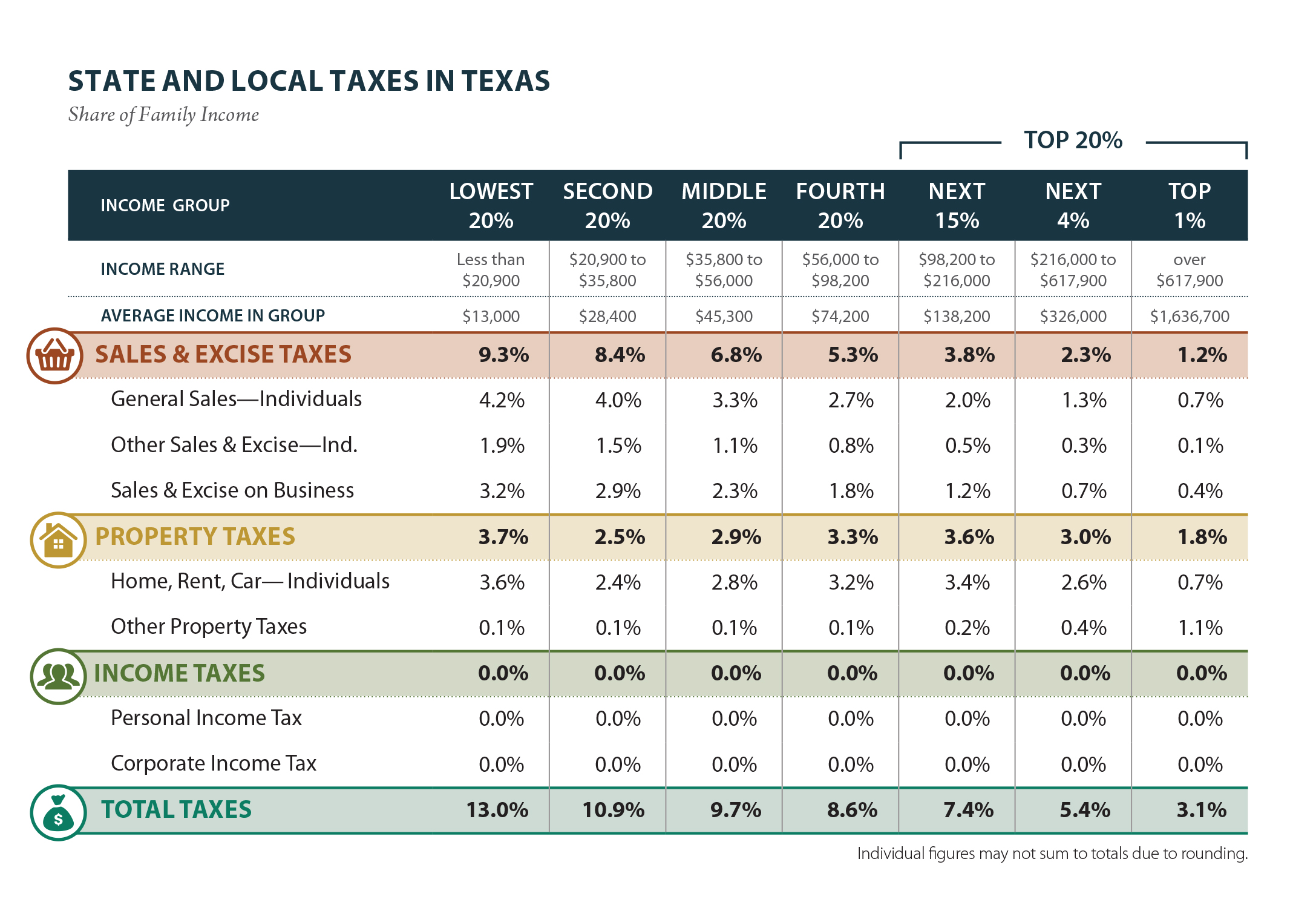
Texas: Who Pays? 6th Edition – ITEP
This is where our story takes a turn, revealing the other side of the Texan tax coin. We proudly contribute in different ways, ensuring that our communities remain vibrant and functional. It’s a different kind of give-and-take, one that’s very much rooted in local pride.
Think of it as a Texan buffet: you might skip the state income tax entrée, but there are plenty of other delicious options on the table. And each one helps build the Texas we all know and love.
The Other Side of the Coin: Property and Sales Taxes
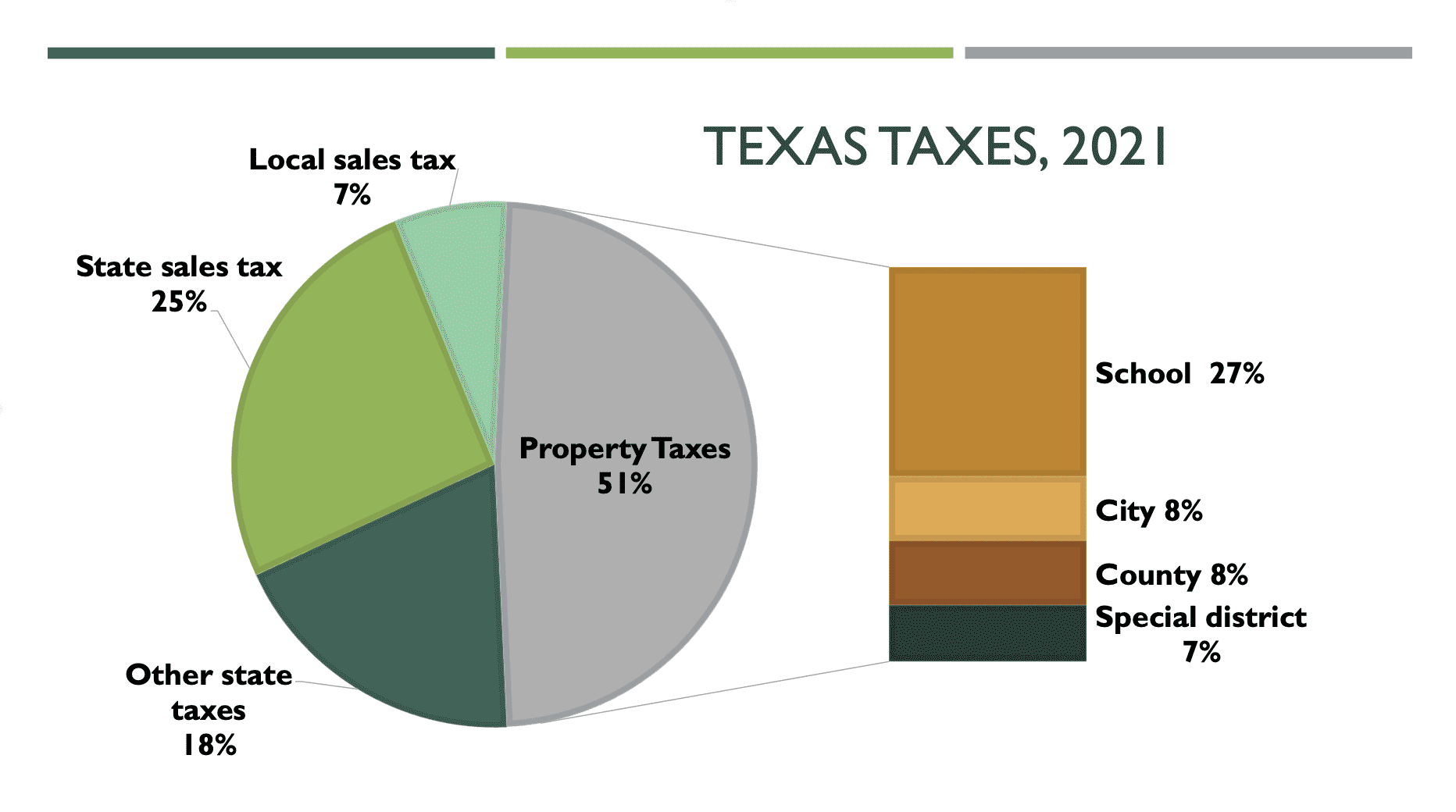
The biggest way Texans contribute is through property taxes. If you own a home in Texas, you’ll definitely be familiar with these. They’re collected by local entities like counties, cities, and school districts, and they’re the backbone of our local infrastructure.
These taxes are what fund our children’s schools, keep our police and fire departments running smoothly, and even maintain our beautiful local parks. While no one exactly loves getting a property tax bill, there’s a quiet understanding of where that money goes.
It’s a direct link between your home and the community around it. When you see a new playground or a freshly paved road, you know your property taxes played a part. It fosters a sense of local ownership and responsibility.
Texas State Taxes: What You’ll Pay in 2025
Then there’s the sales tax. Just about everything you buy in Texas, from a new pair of boots to your morning coffee, comes with a bit of sales tax tacked on. This is another major source of revenue for the state and local governments.
So, every time you grab a cold Dr Pepper or a delicious breakfast taco, you're making a tiny contribution to the state’s coffers. It’s a widespread, almost invisible way that everyone participates in funding Texas’s operations. It truly adds up quickly.
We might grumble good-naturedly about the price of gas, which also includes various taxes, but we know it keeps our vast highways in shape. After all, you can't have a truly grand road trip across the state without smooth sailing under your tires.
As one old Texan once drawled, “We might not pay the Feds extra, but we sure do love our schools and our stores!” It captures that local spirit perfectly.
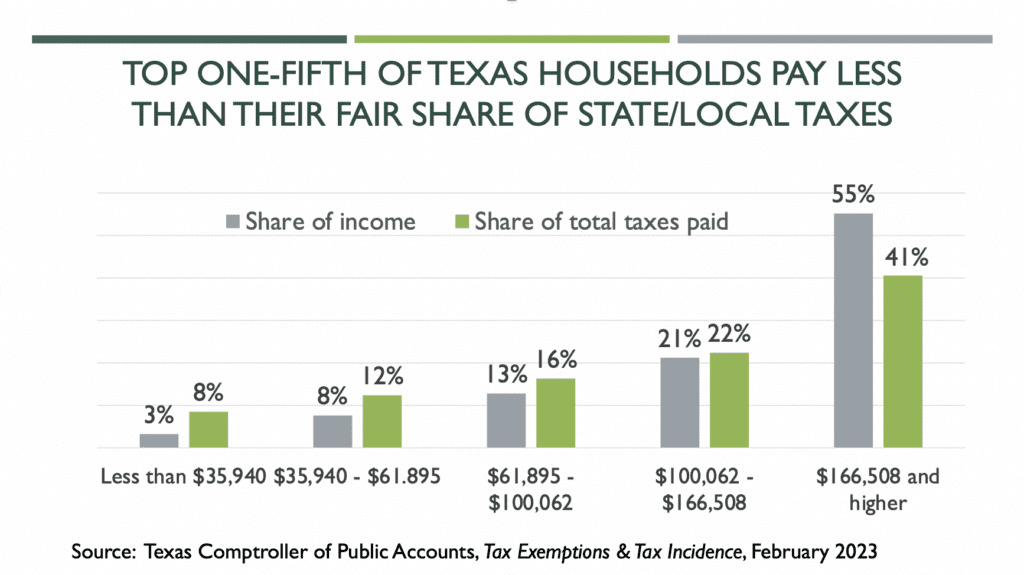
Who Pays Texas Taxes? (2023) - Every Texan
The Texan Trade-Off: Community and Growth
This tax structure isn't just a quirk; it’s a deliberate choice that has shaped the modern Texas. The absence of a state income tax is a huge draw for businesses and individuals alike. It's often cited as a reason for the state's incredible economic growth.
People flock to Texas for job opportunities, lower living costs (relative to other booming states), and a vibrant culture. This influx of people, in turn, boosts the economy and broadens the tax base through sales and property taxes. It’s a dynamic cycle.
The system fosters a competitive business environment, encouraging companies to relocate here and create jobs. More jobs mean more people, more homes, and more spending, all contributing back to the state in various ways. It’s like a positive feedback loop.
And through it all, there's a deep sense of community that shines through. Texans might complain about their property tax bill, but they do it with a wink and a nod, knowing it’s supporting their neighbors, their children, and their shared way of life.
It's about funding the Friday night lights that glow over high school football games, the libraries brimming with stories, and the local festivals that bring everyone together. These are the heartwarming aspects of a system often viewed through a purely financial lens.
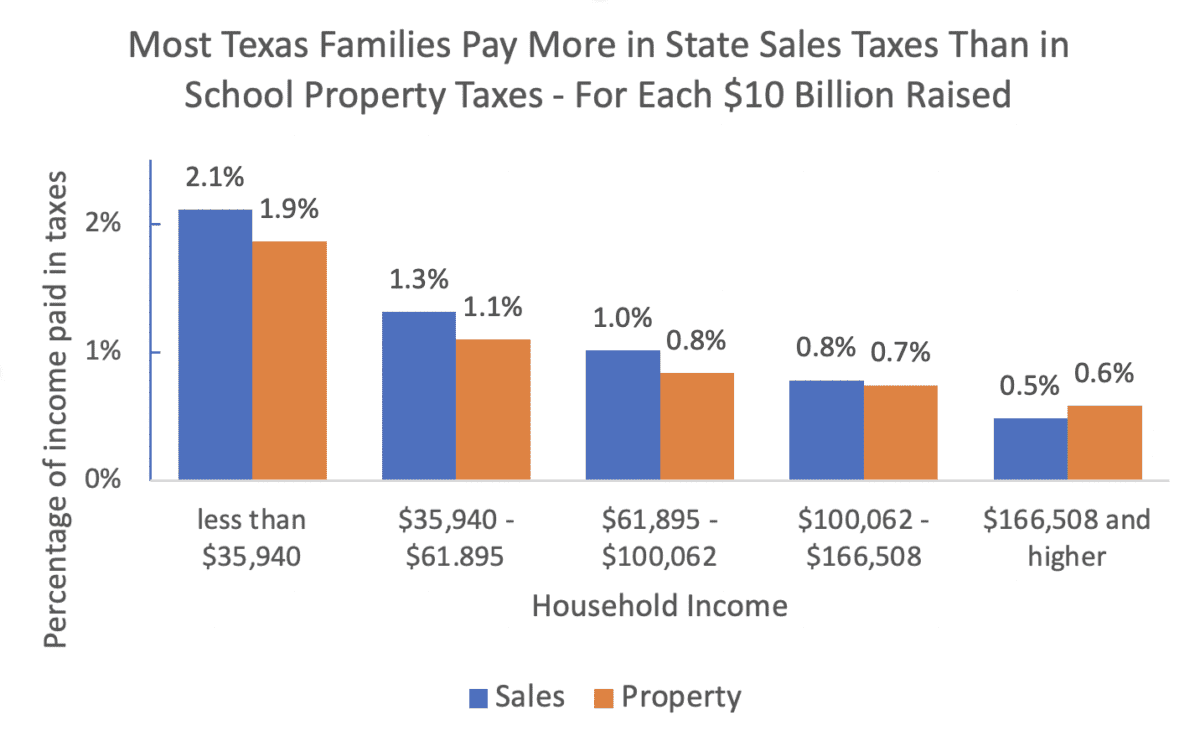
Texas Taxes Explained at Mark Middleton blog
Living the Texas Dream (Tax-Style)
So, the next time someone asks you about state taxes in Texas, you can confidently explain the delightful surprise of no state income tax. But don't stop there; share the rest of the story.
Tell them about the robust property taxes that build our communities and the sales taxes that support our state. It’s a holistic picture, one that reveals a thoughtful, if sometimes complex, approach to funding a truly enormous and diverse state.
It’s part of what makes living in Texas a unique experience. We manage our finances a little differently here, embracing a system that prioritizes individual earnings while still ensuring our communities thrive. It’s the Texas way.
From the bustling streets of Houston to the historic charm of San Antonio, and from the live music capital of Austin to the vast ranches of West Texas, this tax structure plays a quiet but powerful role in shaping the everyday lives of millions. It’s about balance, community, and that undeniable Texan spirit.
So, come on down, enjoy the big steaks, the friendly faces, and the unexpected joy of seeing your full paycheck. Just remember to factor in those other contributions, because they’re what keep the heart of Texas beating strong and proud.