Do You Need To Warm Your Car Up
Alright, picture this: it's a chilly morning, you're bundled up, coffee in hand, and you head out to your car. What's the first thing many of us do? We hop in, crank the engine, and then… we wait. And wait. Maybe scroll through our phones, finish that coffee, all while the car hums away, seemingly "warming up." It's a ritual as old as, well, cars themselves, right?
But here’s a fun little secret that might just make your morning routine a tiny bit more efficient, and your wallet a little heavier: that long warm-up? For most modern cars, it's about as necessary as needing a paper map to navigate with GPS on your phone. Times have changed, and so have our four-wheeled friends!
Back in the Day: The Carburetor Chronicles
Let's take a quick trip down memory lane, shall we? Our grandparents, or maybe even our parents, absolutely had to warm up their cars. And they weren't wrong! Older vehicles, especially those from before the 1980s or early 90s, used something called a carburetor. Think of a carburetor as a very manual, mechanical chef for your engine, mixing fuel and air.
Must Read
When it was cold, this old-school chef was a bit sluggish. The fuel mixture needed to be just right, and it took time for the engine to warm up enough for the carburetor to do its job efficiently. Without that warm-up, the car would often sputter, stall, or just drive like a grumpy teenager before their morning coffee. So, back then, letting the car idle was a genuine act of automotive kindness.
Hello, Modern Marvels!
Fast forward to today, and most cars on the road are equipped with fuel injection systems. This is where the game changed! Imagine going from that manual chef to a super-smart, high-tech robot chef that precisely measures and delivers the perfect amount of fuel to each cylinder, no matter the temperature.
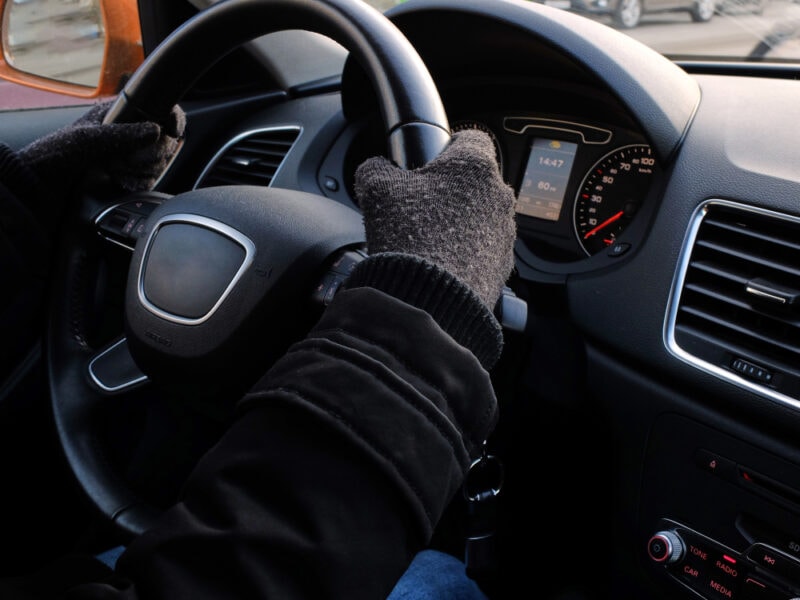
Modern cars also have incredibly sophisticated sensors and computer systems that instantly adjust everything from fuel delivery to ignition timing the moment you turn the key. They’re like tiny supercomputers on wheels, ready to roll at a moment's notice. This means your engine doesn't need a lengthy warm-up act to perform its best.
The Big Reveal: You're Wasting Your Time (And Money!)
So, what happens when you let your modern car idle for five, ten, or even fifteen minutes in the driveway? Mostly, you're just wasting fuel. It's like pre-heating your toaster oven for ten minutes just to make a single slice of toast – completely unnecessary and a drain on resources!
Idling also means your car is sitting there, burning fuel, and producing emissions without actually going anywhere. Not only is that extra carbon dioxide not great for the planet, but it's also burning a hole in your pocket. Think of all the extra lattes or snacks you could buy with that saved gas money!
What's more, your engine actually warms up much faster when you're driving it gently. When you idle, only the engine itself is really warming up. The transmission, the tires, the suspension – all the other vital components that need to get to optimal temperature – they only truly start working (and warming) once you actually start moving.
The Gentle Approach: Your Car's Morning Routine
So, if you don't need to stand around twiddling your thumbs, what should you do on a cold morning? It’s actually delightfully simple:
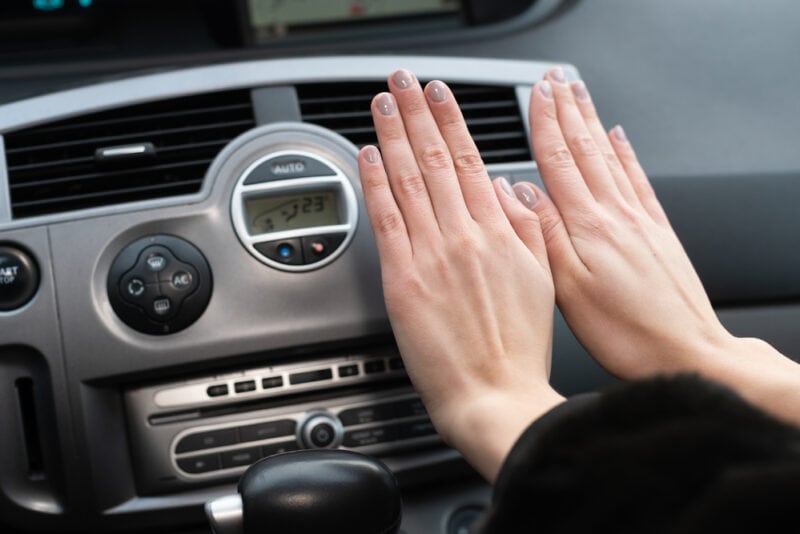
- Start your car.
- Wait about 20-30 seconds. This gives the engine oil a moment to circulate and lubricate all those moving parts. Think of it as a quick stretch before your morning jog – just enough to wake things up, not a full yoga session.
- Drive gently. For the first few miles, avoid aggressive acceleration or high RPMs. Drive like you've just woken up and are still a bit groggy – nice and easy. This allows all the car's fluids (engine oil, transmission fluid, etc.) to gradually come up to their optimal operating temperatures, which is much better for your car in the long run.
This gentle driving helps your entire car warm up as a cohesive unit, rather than just letting the engine sit there boiling its own fluids while the rest of the car remains chilly.
Why Should You Care? Because It's Smart!
Beyond saving you a few bucks at the pump (which is a pretty good reason on its own!), adopting this "gentle start" approach offers a few more perks:
- Better for your engine: Gentle driving from a cold start is less stressful on your engine parts than letting it idle and then suddenly demanding full power. It promotes better lubrication and less wear and tear over time. Your car will thank you with a longer, happier life.
- Quicker warmth for YOU: Believe it or not, your car's heater and defroster actually start blowing warm air much faster when the car is moving. So, if you're freezing, the best way to get toasty is to just start driving gently, not sit there shivering!
- Kinder to the environment: Less idling means fewer emissions polluting the air. It’s a small change that contributes to a healthier environment for everyone. Think of it as your little daily contribution to keeping the air a bit cleaner.
- More time for you: Who doesn't want an extra few minutes in their day? Skip the idle, get going, and reclaim that time for something you actually enjoy!
So, next time you're about to embark on the "great car warm-up ritual," remember your car is probably more ready to go than you think. Give it a gentle start, and you'll be doing yourself, your wallet, and your trusty vehicle a favor. Happy driving!