
Do You Need To Vent A Portable Air Conditioner
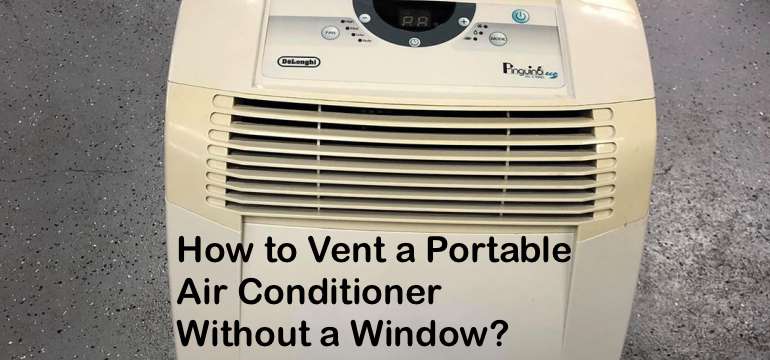
Ah, the sweet relief of cool air on a sweltering summer day! Portable air conditioners – those trusty, rolling rectangles of climate control – have become a summertime staple for many. Whether you're trying to keep your home office habitable, cool down a bedroom without central AC, or simply avoid exorbitant energy bills, a portable AC can feel like a lifesaver. But, before you crank it up and bask in the chilly breeze, there's a crucial question to address: Do you really need to vent that thing?
The short answer? Almost always, yes. Let's delve into why. A portable air conditioner doesn't just magically conjure cold air. It works by taking the hot air from your room, cooling it down, and then blowing the cool air back into the room. But what happens to the hot air it removed? That's where the venting comes in. Venting is the process of expelling that hot air outside, typically through a window.
Think of it like this: your portable AC is like a refrigerator. It doesn't create cold, it just moves heat. If you left the refrigerator door open, it would just pump heat into the room, making the situation worse. The same principle applies to an unvented portable AC. Without a vent, the hot air it's exhausting will just recirculate back into the room, making your AC work harder, consume more energy, and ultimately, be far less effective. You'll end up with a noisy machine that barely cools, and a hefty electricity bill to boot.
Must Read
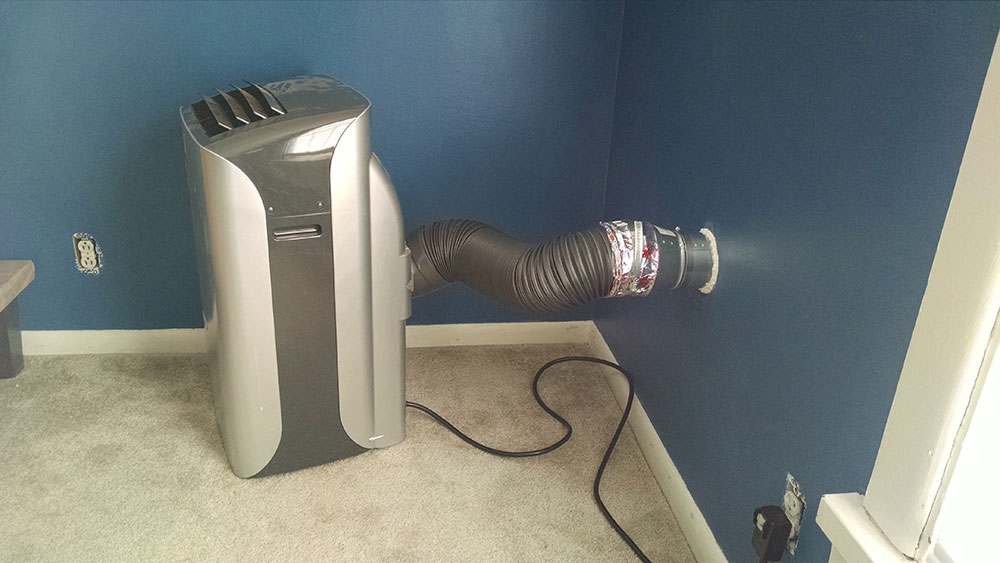
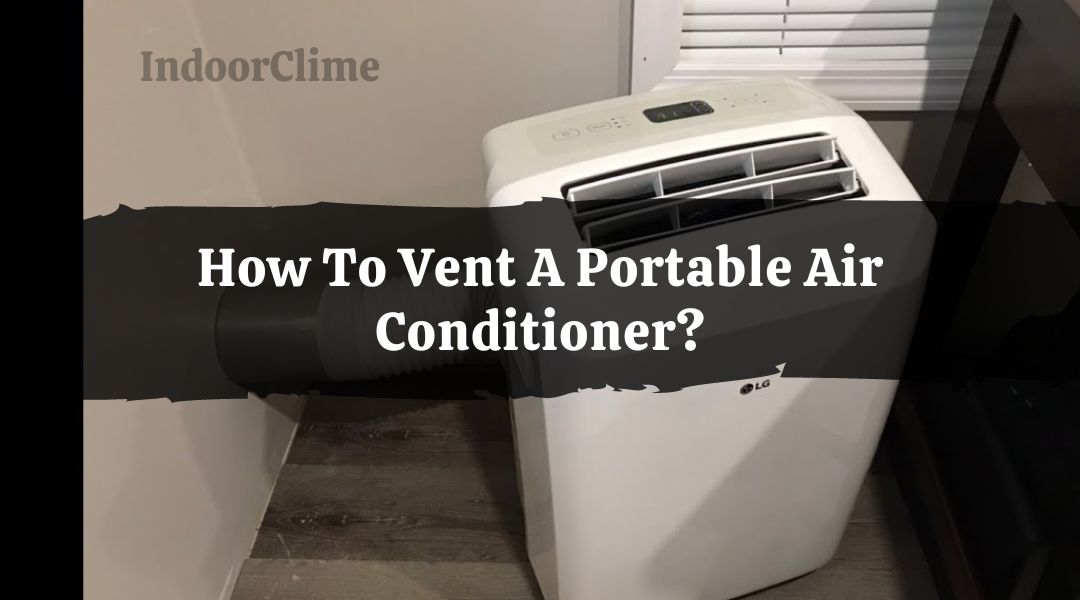
Common examples of vented portable ACs are seen everywhere. You'll find them in apartments without central air, in home offices where focused work requires a comfortable temperature, or even in server rooms to prevent overheating. The most common venting method involves attaching a hose to the back of the unit and running it to a window. Many units come with window kits that allow you to seal off the opening around the hose, preventing hot air from seeping back in. You might also see creative venting solutions like running the hose through a dryer vent (though this is generally discouraged) or even cutting a hole in a wall (only recommended for permanent installations and with professional help!).
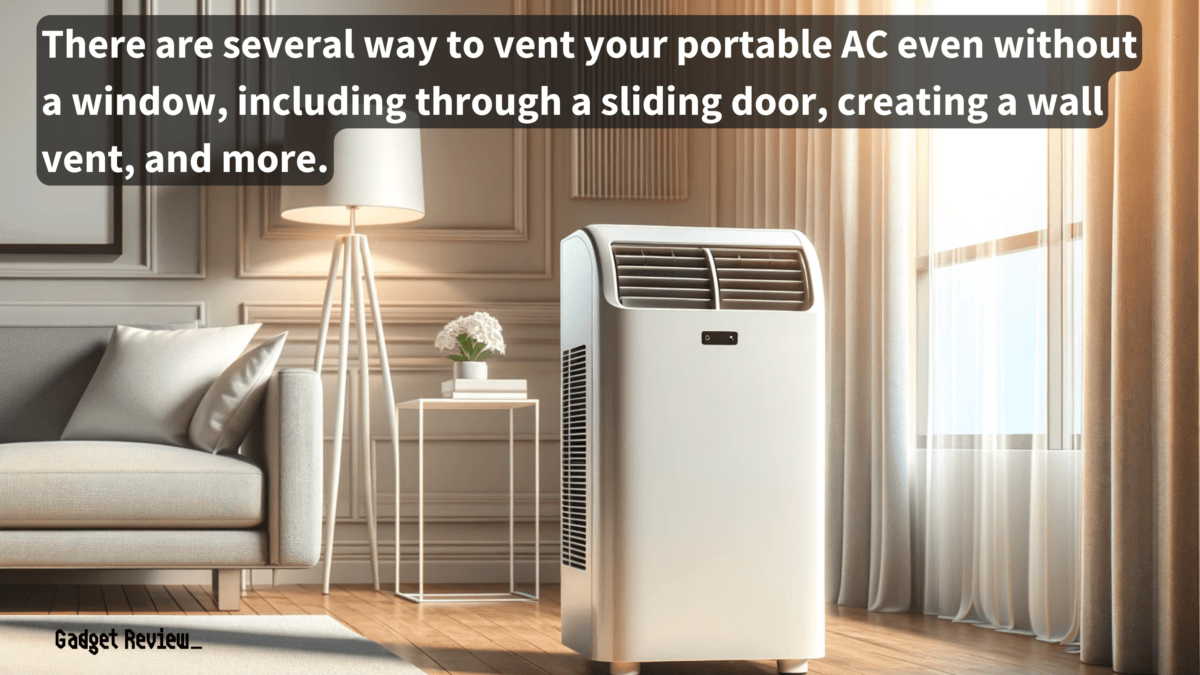
So, how can you enjoy your portable AC more effectively, ensuring that precious cool air actually stays cool? Here are a few practical tips:
- Seal the Venting Properly: Use weather stripping or duct tape to seal any gaps around the window kit. This prevents hot air from sneaking back in and undoing all your hard work.
- Choose the Right Size: Portable ACs are rated in British Thermal Units (BTUs). Make sure you select a unit with enough BTUs for the size of your room. Too small, and it will struggle to cool effectively.
- Close Off Other Rooms: The smaller the space your AC has to cool, the better it will perform. Close doors to rooms you aren't using to concentrate the cooling power.
- Consider a Dual-Hose Unit: Single-hose units draw air from the room to cool the condenser, creating negative pressure. Dual-hose units draw air from outside for the condenser, making them more efficient.
- Regularly Clean the Filter: A dirty filter restricts airflow and reduces cooling efficiency. Clean it every few weeks to keep your AC running smoothly.
Ultimately, taking the time to properly vent your portable air conditioner is an investment in your comfort and your wallet. By understanding how these units work and following these simple tips, you can transform your space into a cool, refreshing oasis, even on the hottest days of the year. So, vent that AC, and enjoy the bliss!
![How to Install a Portable Air Conditioner: Steps & Tips [Upd. 2021]](https://hvaclifehack.com/wp-content/uploads/2021/02/How-to-Install-a-Portable-Air-Conditioner-guide1.jpg)