
Do You Need Gas For Mig Welding

Ah, the satisfying sizzle of a MIG welder! Whether you’re a seasoned pro crafting intricate metal art or a weekend warrior tackling that perpetually wobbly patio chair, there’s a certain magic to fusing metal. But amidst the sparks and the hum, a common question often floats in the air, much like those weld fumes: “Do I actually need gas for this thing?” Let’s un-weld that mystery, shall we?
The Big Question: Gas or No Gas?
The short, breezy answer is: mostly yes, but sometimes no! Confused? Don't worry, it's not as complicated as assembling IKEA furniture. MIG welding, which stands for Metal Inert Gas welding, inherently suggests gas. However, modern advancements have given us some cool alternatives.
When Gas Is Your Best Friend (And Why)
Imagine trying to bake a delicate soufflé in the middle of a windstorm without any protection. It just wouldn't work, right? The same principle applies to welding. When you heat metal to its melting point, it becomes incredibly vulnerable to the surrounding atmosphere – specifically, oxygen and nitrogen. These elements are the arch-nemeses of a strong, clean weld. They cause porosity (tiny holes), brittleness, and an overall shoddy finish.
Must Read
Enter shielding gas! This magical gas acts like an invisible force field around your molten weld pool. It displaces the atmospheric air, allowing the metal to cool and solidify without contamination. Think of it as giving your weld a cozy, protective bubble bath.
What Kind of Gas Are We Talking About?
For MIG welding, you’ll typically encounter a few stars of the show:
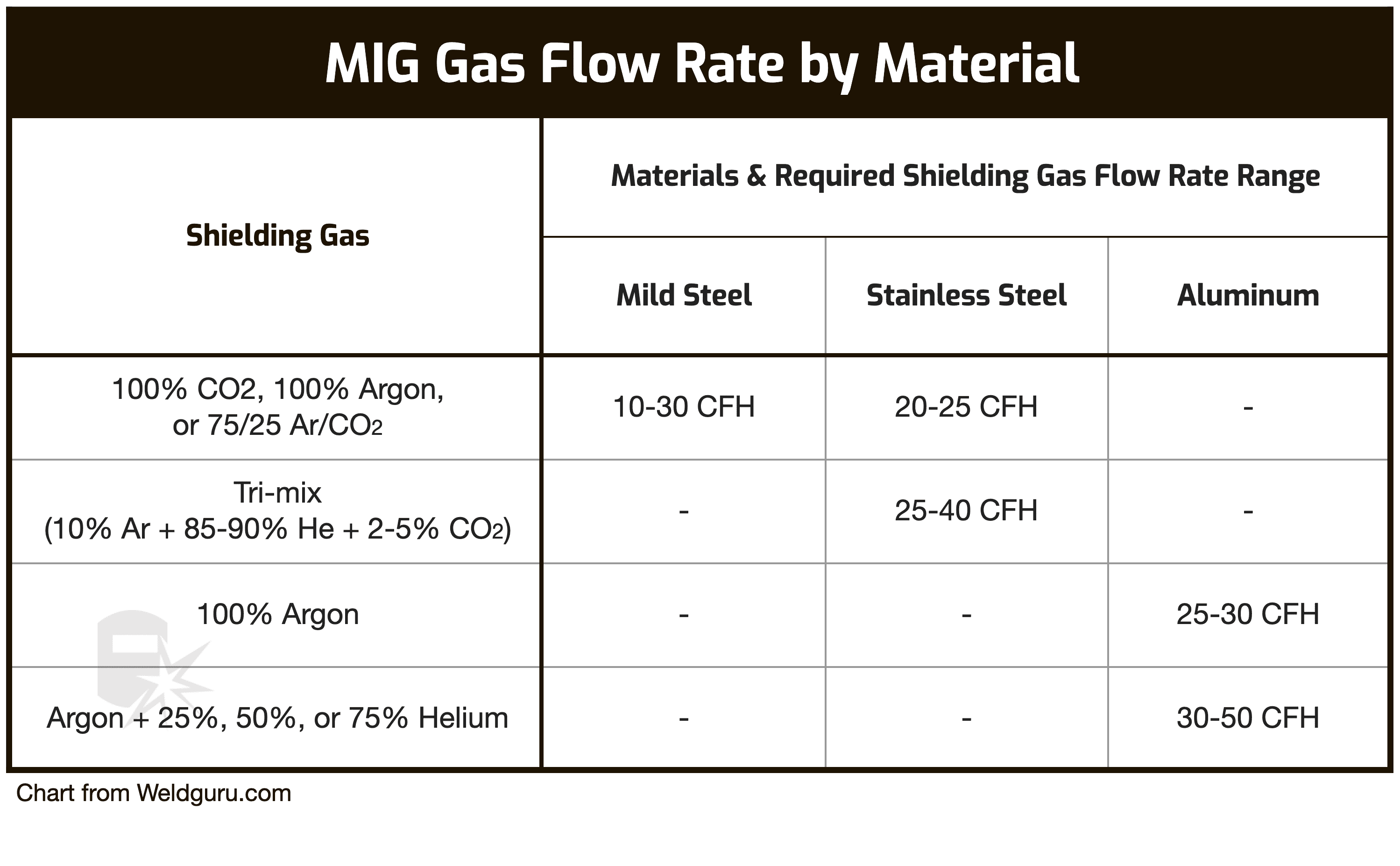
- Argon: The silent, sophisticated type. Great for aluminum and stainless steel, giving a very clean, low-spatter weld.
- CO2 (Carbon Dioxide): The workhorse. It’s cheaper and provides good penetration for steel, but can result in more spatter.
- Argon/CO2 Mixes (e.g., C25 – 75% Argon, 25% CO2): The popular crowd-pleaser. This mix offers a fantastic balance for general steel welding – good penetration, less spatter than pure CO2, and a smoother arc. It’s like the perfectly balanced cocktail for your welding needs.
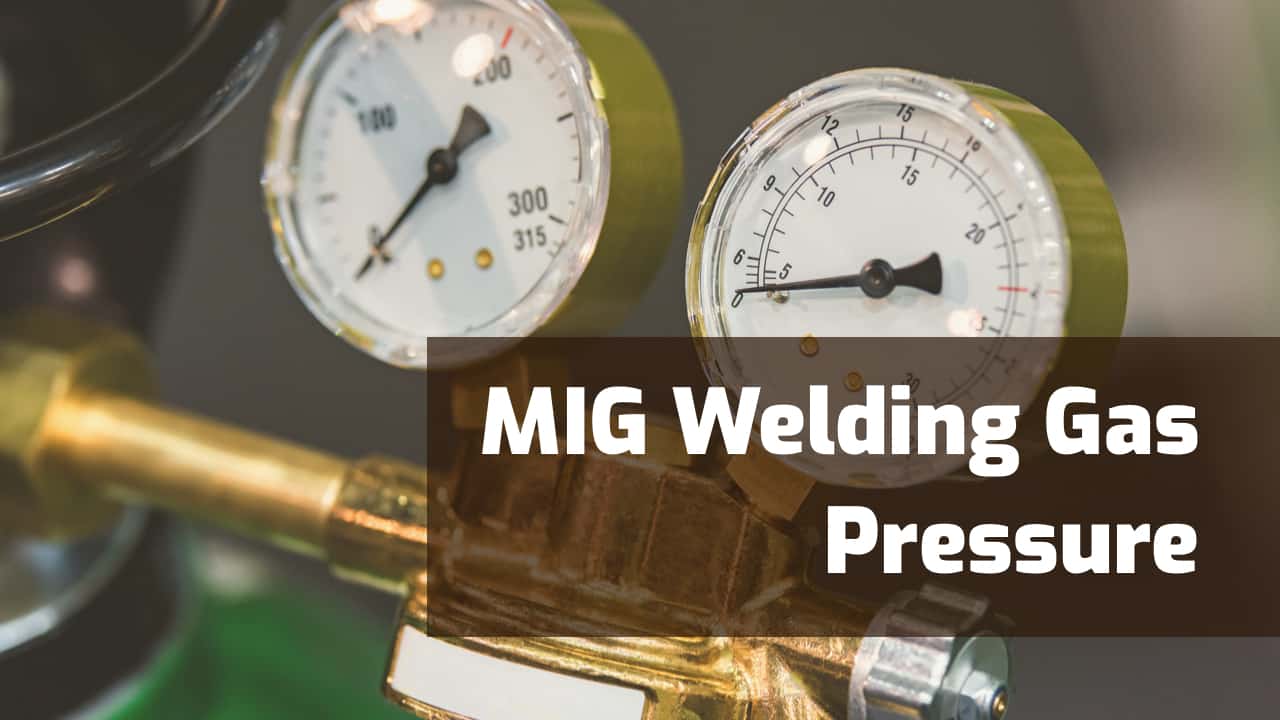
Practical Tip: Always make sure your gas regulator is properly set to the recommended flow rate (usually measured in cubic feet per hour, or CFH). Too little, and your shield is weak; too much, and you're just wasting gas (and money!).
When You Can Ditch the Tank: Flux-Cored Welding
Alright, so what about those times you don't need a gas cylinder? Welcome to the world of flux-cored arc welding (FCAW), often simply called "flux-core." This is where things get really convenient, especially for outdoor projects or when portability is key.
Instead of relying on an external gas tank, flux-cored wire has a core filled with a flux material. When this wire melts, the flux burns, creating its own protective gas shield and a slag layer over the weld. It’s like a self-contained welding party!
Pros and Cons of Going Gasless:
- Pros:
- Portability: No bulky gas cylinder means your welder is much lighter and easier to move around. Great for field repairs or working in remote areas.
- Outdoor Use: Wind is the enemy of shielding gas, blowing it away and leaving your weld vulnerable. Flux-core’s self-generated shield is much more robust against breezy conditions.
- Thicker Metals: Flux-core often provides deeper penetration, making it a good choice for thicker materials.
- Initial Cost: You save on the cost of a gas cylinder and regulator upfront.
- Cons:
- Messier Welds: Flux-core produces more spatter and slag, which you'll need to chip off afterwards. Think rugged, not refined.
- More Fumes: The burning flux can create more fumes, so ventilation is even more critical.
- Appearance: The welds generally aren't as clean or aesthetically pleasing as gas-shielded MIG welds. If you're building a sleek custom motorcycle, you'll likely want gas.
So, Which Path Do You Choose?
It really boils down to your project and priorities. If you’re mostly welding indoors, valuing clean, precise, and beautiful welds on a variety of metals, gas-shielded MIG is your champion. It's the go-to for automotive bodywork, furniture, and anything where aesthetics matter.
However, if you're fixing a rusty fence in the backyard, patching up a tractor in a field, or just getting started on a budget and need something robust and portable, flux-cored welding is an absolute godsend. It’s the versatile, go-anywhere option that gets the job done.
Important Note: Always ensure you're using the correct wire for your process. Solid wire needs gas. Flux-cored wire typically does not (unless specified otherwise for some advanced dual-shield processes, but let's keep it simple for now!).
A Little Reflection
Just like life, welding often presents us with choices. Do you opt for the clean, controlled environment, or embrace the rugged, get-it-done approach? There’s no single “right” answer, only the best fit for the situation at hand. Understanding the nuances of tools and techniques empowers you to tackle challenges with confidence, whether it's fusing two pieces of steel or simply navigating the choices we make every day. So, grab your helmet, ponder your project, and choose your path – sparks will fly either way!
