
Do You Need A License To Weld
Picture this: you’ve got a rusty old garden gate, a broken metal chair, or maybe an ambitious dream of building a quirky art piece for your backyard. Suddenly, the sparks fly (literally!) as you consider welding it back to life. But then a little voice whispers, “Hold on, do I need a special license for this fiery endeavor?”
It’s a surprisingly common question, often bringing up images of official-looking badges or stern inspectors. Most people assume that anything involving intense heat, molten metal, and eye-catching sparks must surely require a whole stack of paperwork and a professional stamp of approval. Let's melt away some of the mystery and have a bit of fun with this.
The Backyard Maestro: Welding for Fun and Fixes
For many, welding is a fantastic hobby, a way to mend, create, and bring metal dreams to life. Think of Uncle Bob in his garage, humming a tune as he reattaches a leg to a wobbly grill stand. Or perhaps it's a creative artist meticulously joining pieces of scrap metal into a stunning sculpture.
Must Read
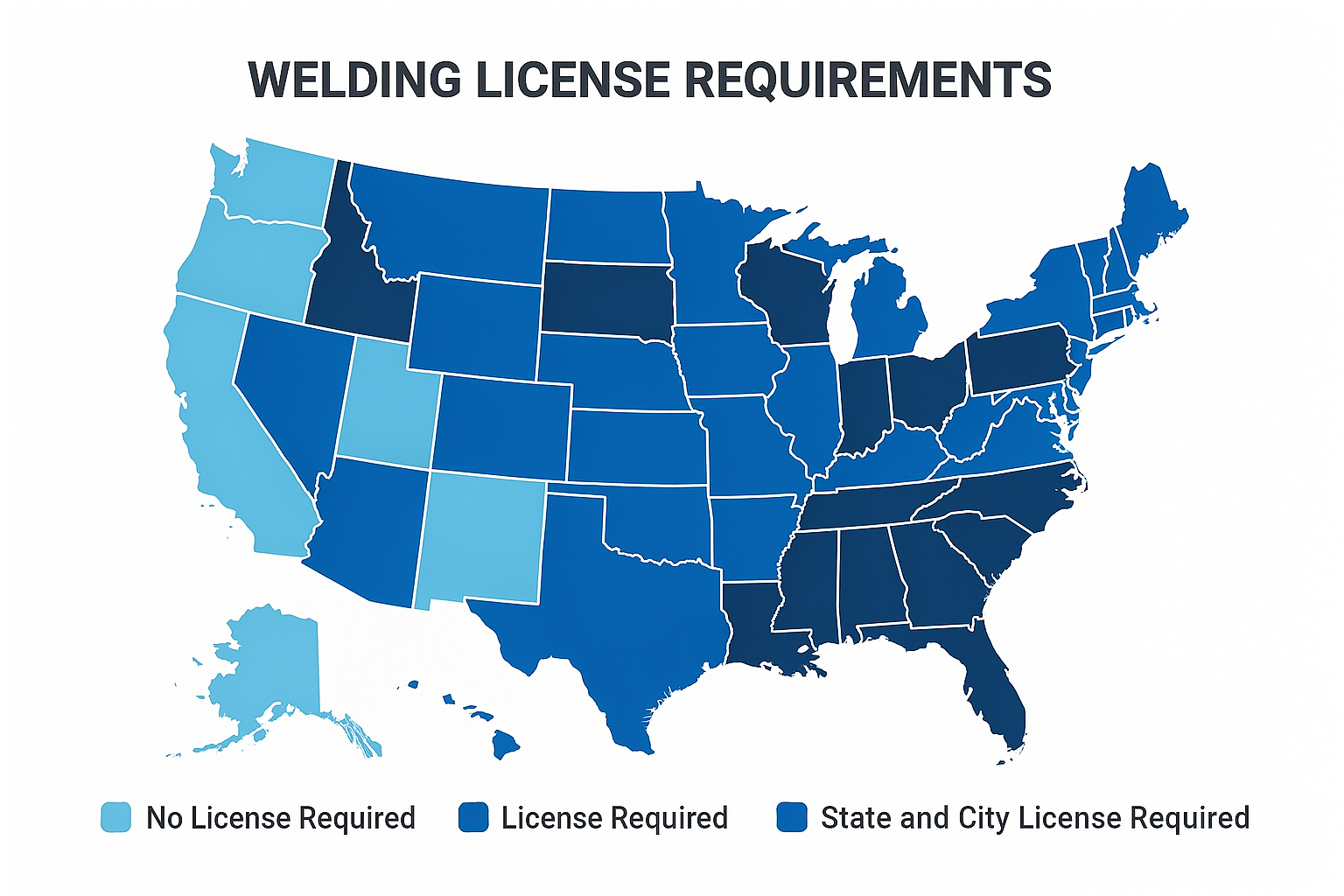
The delightful truth for these casual welders is often a resounding “No!” You generally don't need a government-issued license to fire up your welder in your own garage or workshop. There’s no official “hobbyist welding permit” that you have to apply for, thankfully.
“The real license for a hobby welder is a healthy dose of common sense and a strong commitment to safety first.”
This freedom allows countless individuals to explore their creativity, fix their own equipment, and even teach themselves a valuable skill. It’s a wonderful world where passion and practicality often intertwine, without bureaucratic hurdles. Imagine the joy of fixing your child’s broken bicycle frame or crafting a unique metal bird feeder for your garden, all with your own hands and a trusty welder.
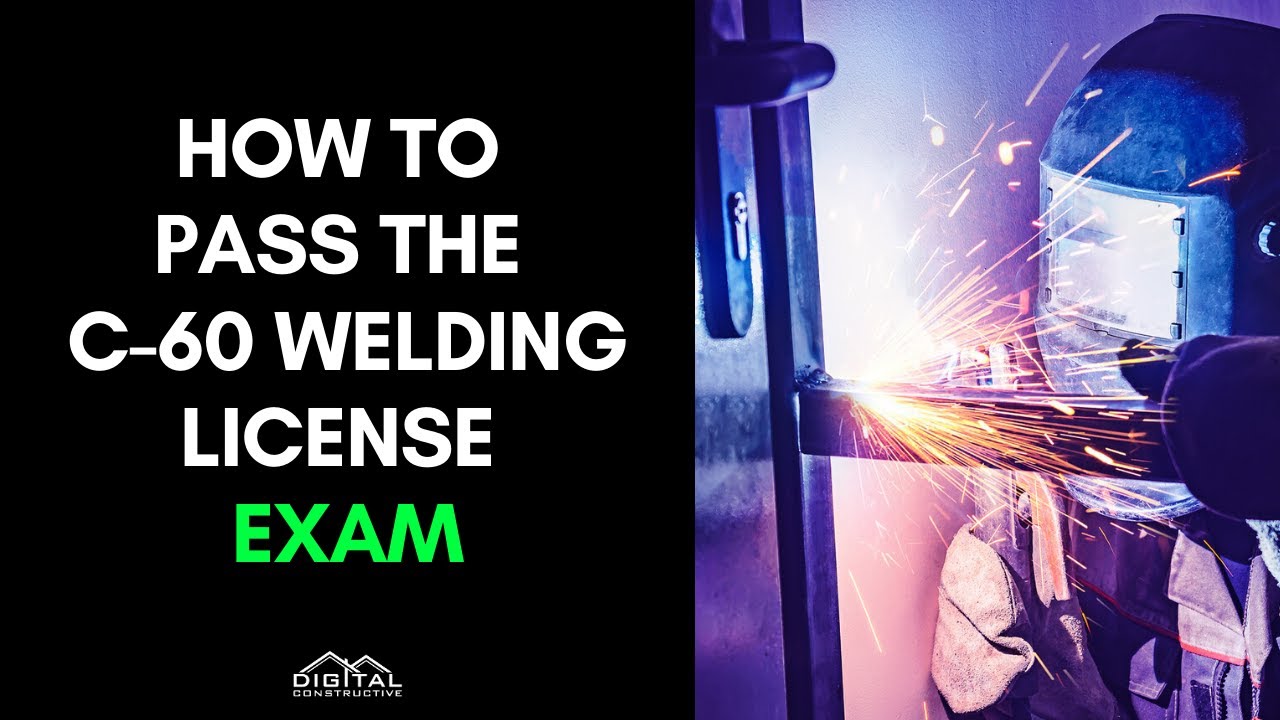
Of course, this doesn't mean you should throw caution to the wind. Safety gear like a proper helmet, gloves, and fire-resistant clothing are absolute must-haves. Learning the correct techniques and understanding your equipment is far more important than any piece of paper for these personal projects.
From Broken Gates to Backyard Art
Take the story of Martha, a retired librarian who decided to try welding after watching a YouTube video. She wanted to create whimsical garden sculptures for her neighborhood. No one ever asked her for a license; they just admired her beautiful, quirky creations that brought smiles to everyone's faces.
Then there’s David, a farmer who learned to weld out of sheer necessity. A broken tractor hitch in the middle of harvest season doesn't wait for a certified professional. His ability to quickly repair farm implements meant the difference between losing a crop and bringing in a successful yield. His “license” was his ability to get the job done right and safely.
These heartwarming tales highlight that for personal use, the true credential is your willingness to learn, practice, and prioritize safety. The reward isn't a badge, but the satisfaction of creation and repair. It’s about empowering individuals to be self-reliant and creative in their own spaces.
_VIHtMKUwIok.webp)
When the Sparks Fly Professionally: Certification Takes the Stage
Now, let’s shift gears from your cozy garage to the towering steel skeletons of skyscrapers, the intricate network of pipelines, or the bustling shipyards. Here, the stakes are significantly higher, and the question of qualification takes on a whole new dimension. This is where the concept of a "license" gets a little more serious, or rather, it transforms into certification.
When you're welding something that needs to hold up a bridge, contain highly pressurized liquids, or ensure the structural integrity of a building, personal competence isn't enough. The public's safety, vast sums of money, and critical infrastructure depend on the welds being absolutely perfect and reliable. This is where professional welding certification comes into play.
“For commercial and industrial projects, it’s not just about knowing how to weld, but proving you can meet incredibly rigorous industry standards.”
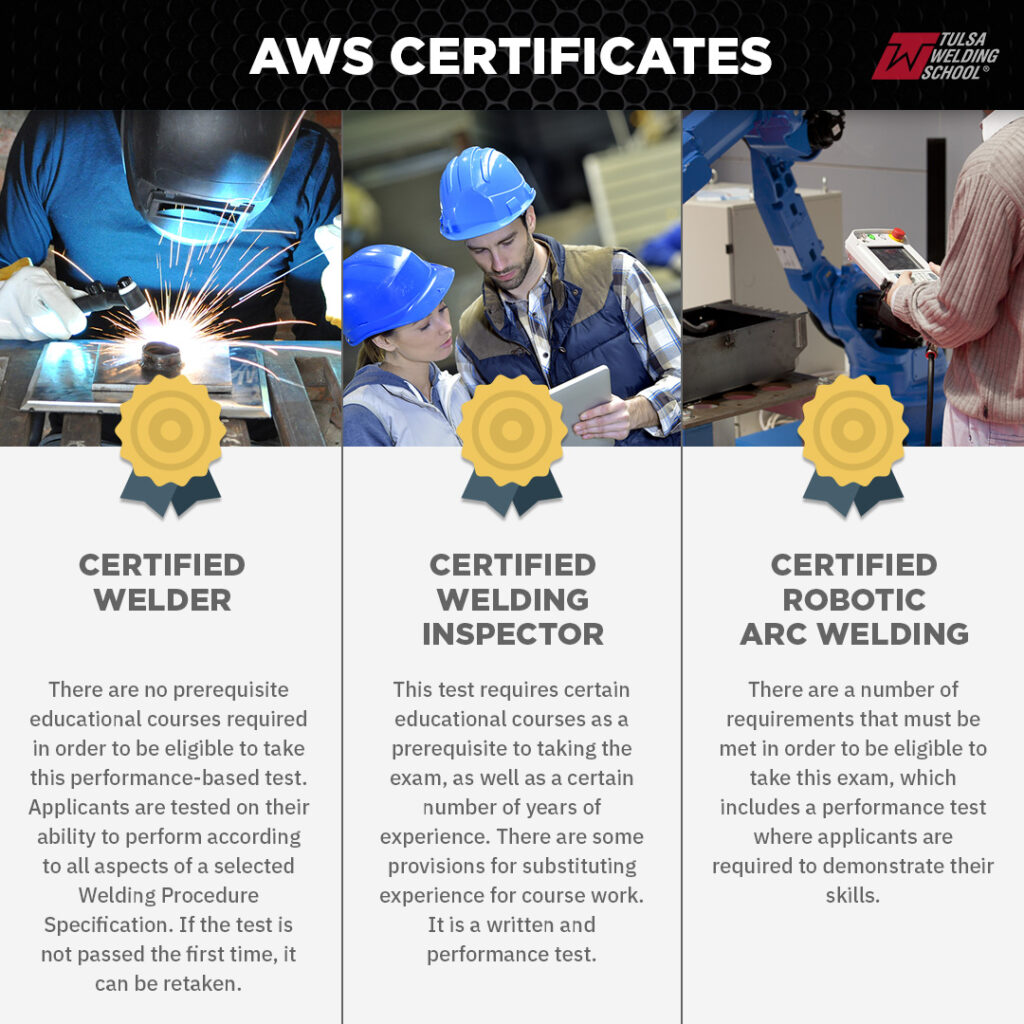
These certifications are typically issued by recognized bodies like the American Welding Society (AWS) or other international standards organizations. A certified welder has passed specific tests that demonstrate their ability to perform certain types of welds under particular conditions, using specific materials and processes. It's a testament to their skill and adherence to strict quality controls.
Think of it less as a driving license (a general permission to drive) and more like a pilot's license for a specific aircraft type. You're certified for particular tasks, ensuring expertise in critical applications. Employers absolutely require these certifications for specialized jobs, as they vouch for a welder's consistent quality and ability to meet code requirements.
The Weight of Responsibility: Why Certification Matters
Imagine a welder working on a nuclear power plant. The consequences of a faulty weld could be catastrophic, affecting thousands of lives and the environment. Here, a general license would be woefully inadequate. Instead, highly specialized certifications ensure that the welder has undergone specific training and rigorous testing for that exact, critical application.
Similarly, for welders fabricating pressure vessels, such as boilers or tanks that hold gas, extreme precision is non-negotiable. These specialized roles demand certifications that confirm the welder can produce welds strong enough to withstand immense pressure without failing. It’s a job where even the tiniest flaw can have huge repercussions.
These certifications are often project-specific and need to be renewed periodically, ensuring that welders keep their skills sharp and stay updated with the latest techniques and safety protocols. It’s a world of continuous learning and proving one’s mettle under pressure, quite literally.

The True License: Skill, Safety, and the Spark of Passion
So, do you need a license to weld? The answer, as you’ve seen, is a wonderfully nuanced "it depends." For the aspiring backyard artisan or the weekend warrior fixing their mower, the emphasis is on personal safety and the joy of creation. Your “license” is your ability to safely transform metal.
For the professional building our infrastructure and powering our world, the requirement shifts to precise certifications. These aren't just pieces of paper; they are badges of honor, proving a welder's capability to perform critical, often life-saving, tasks to the highest standards. They represent dedication, precision, and immense responsibility.
Ultimately, whether you're joining two pieces of metal in your garage or on a towering skyscraper, the most important tools are a keen eye, steady hands, and an unwavering commitment to safety. The surprising truth is that welding, at its heart, is a craft that celebrates skill and passion, sometimes with a formal paper trail, and sometimes just with the satisfying hiss of a perfect bead.
So go ahead, embrace the sparks! Whether you’re learning to fix a beloved heirloom or aspiring to build the next marvel of engineering, remember that the true spirit of welding lies in the hands that hold the torch, and the thoughtful care that goes into every single joint. Happy welding!