Do You Need A Fishing License To Catch And Release
There's a quiet revolution happening by our lakes and rivers, and it's not about netting a prize-winning bass. It's about the art of angling, stripped down to its purest form: the thrill of the catch, followed by the graceful release. Catch and release fishing has exploded in popularity, not just as a conservation method, but as a deeply satisfying pastime. But a question often bubbles to the surface: Do you even need a fishing license to participate in this act of aquatic ballet?
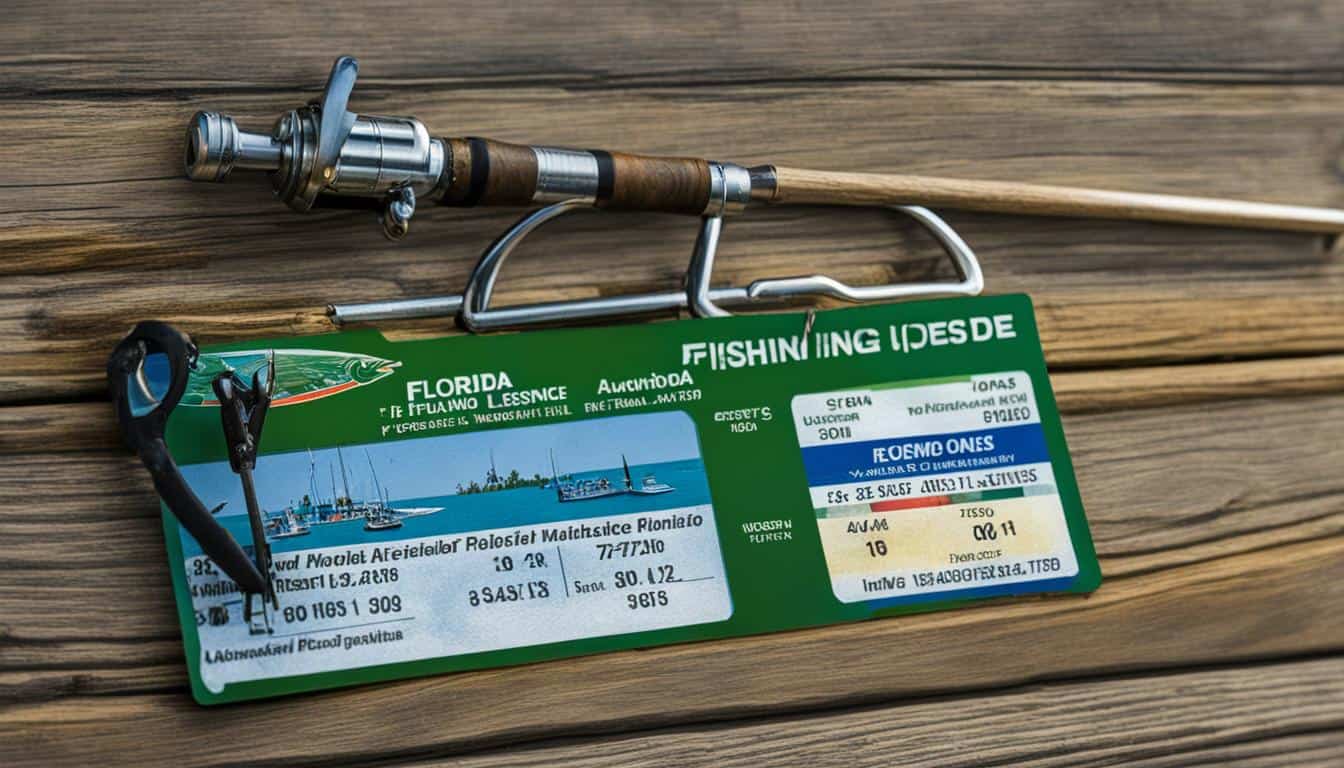
The answer, generally speaking, is yes. Even if you're not planning on keeping a single fish, most states and provinces require a valid fishing license to cast a line into public waters. Think of it as a contribution to the ongoing management and conservation of our fish populations. The fees collected from licenses go towards crucial initiatives like habitat restoration, fish stocking programs, and research. However, it’s always essential to check your local regulations, as exceptions may exist for certain age groups, specific bodies of water, or designated "free fishing days."
But why would someone choose to catch and release? The benefits are plentiful, especially for those seeking more than just dinner. For the artist, it's a masterclass in observation. Studying the flash of scales in sunlight, the subtle movements of a trout as it sips a mayfly, or the vibrant colors of a sunfish – these are all invaluable lessons in color, form, and movement. They can inspire paintings, sculptures, and even written works. For the hobbyist, it's a chance to hone skills, experiment with different lures and techniques, and challenge themselves to outsmart the wiliest of fish. And for the casual learner, it's an opportunity to connect with nature, learn about local ecosystems, and enjoy the peace and quiet of the outdoors.
Must Read
Consider the possibilities: imitate the classic Hemingway style with a focus on stoic beauty and the struggle against nature while targeting larger species. Then you could switch gears and adopt a lighter, impressionistic approach, documenting the fleeting moments of sunlight on the water and the delicate dance of small panfish around submerged logs. Some even focus on the ethical aspect, crafting narratives around responsible fishing practices and the respect for all living creatures.

Trying catch and release at home is easier than you think. First, familiarize yourself with local regulations regarding licenses and permitted species. Next, invest in the right equipment: a rod and reel appropriate for the size of fish you're targeting, barbless hooks (crucial for easy release), and a landing net with a rubberized mesh to protect the fish's delicate scales. When handling a fish, keep it wet and avoid touching its gills. Use pliers to gently remove the hook, and if the hook is deeply embedded, cut the line as close to the hook as possible rather than causing further injury. Revive the fish by holding it gently in the water until it regains its strength and swims away on its own.
Ultimately, catch and release fishing is enjoyable because it fosters a deep connection with nature and allows us to appreciate the beauty and complexity of the aquatic world without causing lasting harm. It's about the experience, the challenge, and the satisfaction of knowing you've played a part in preserving these precious resources for future generations. It's the perfect blend of sport, art, and conservation, all rolled into one exhilarating cast.