
Do You Have To Pay To Charge An Electric Car
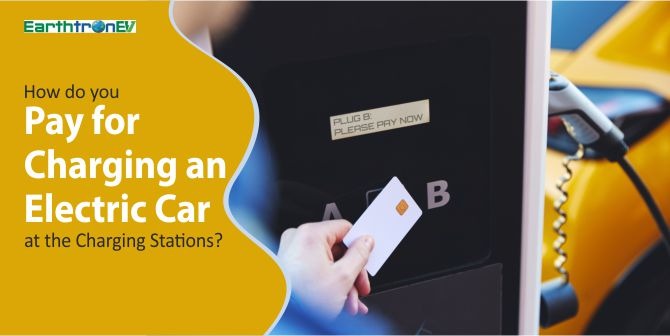
Okay, let's talk about electric cars! Shiny, quiet, and good for the planet – what's not to love? But there's one question that pops up more often than you might think: Do you have to pay to charge one of these beauties? Let's dive in and debunk some myths, shall we?
The short answer? It's a bit like asking if you have to pay for gas. Sometimes yes, sometimes no. But stick with me, because the nuances are actually pretty cool and can save you some serious cash – and who doesn't love saving money?
Charging at Home: Your Personal Fueling Station
Imagine waking up every morning with a "full tank." That's the beauty of charging at home! Think of it like plugging in your phone – super convenient. You'll need a charging unit (Level 2 charger is recommended for faster charging), but you can think of that as an investment in your personal fueling station.
Must Read
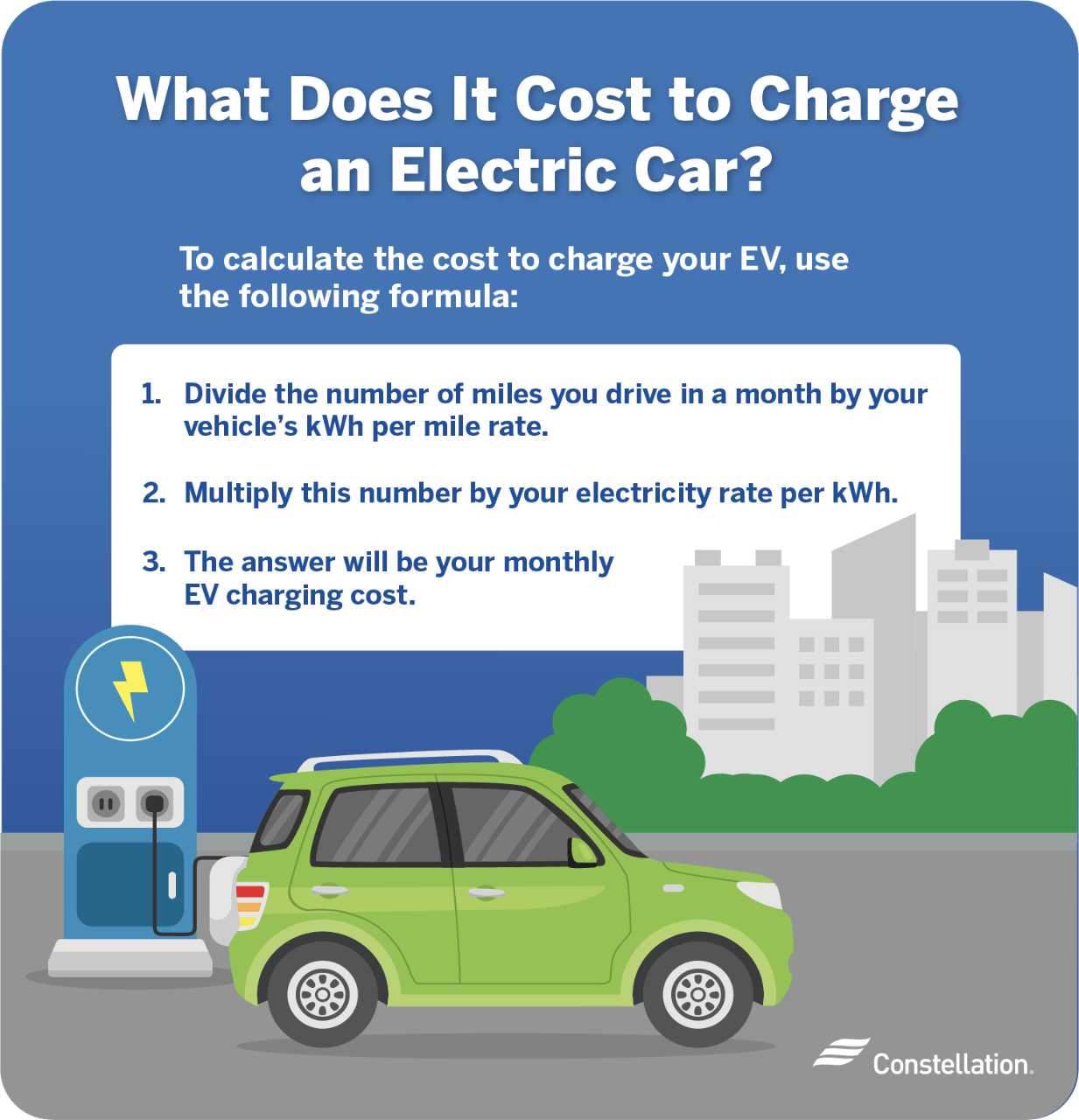
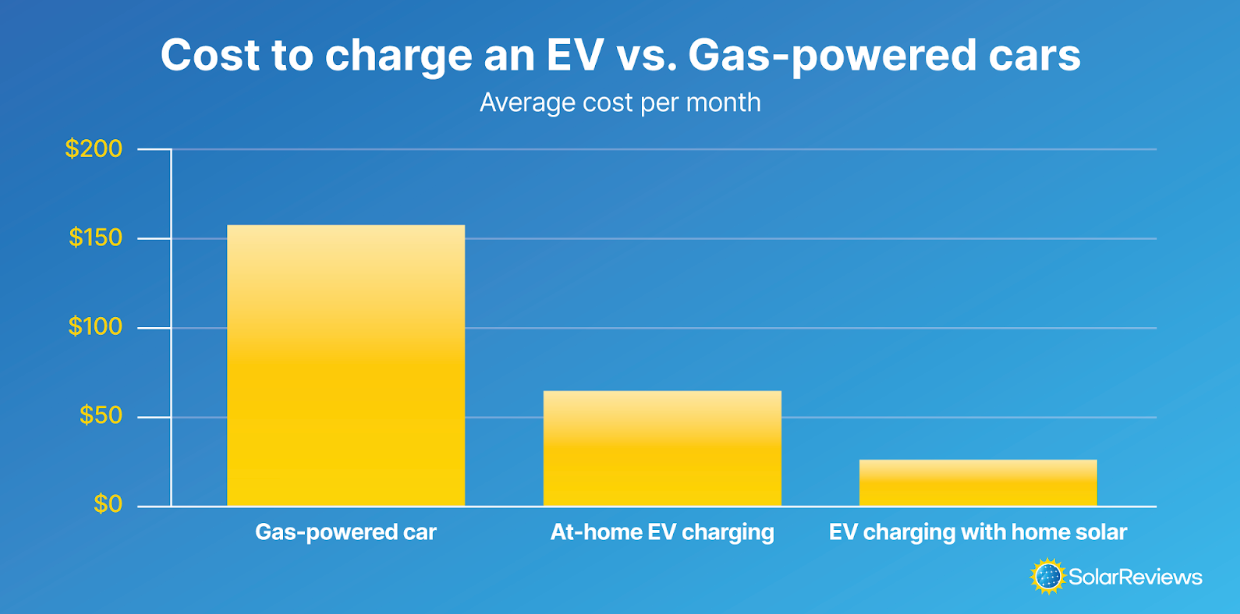
Here's the thing: you're using electricity from your home, so yes, you'll see an increase on your electricity bill. But! And this is a big but, electricity is generally cheaper than gasoline. We're talking potentially significant savings, especially if you drive a lot. Think of all the extra lattes you can buy! Or, you know, put toward your next vacation.
Plus, many utility companies offer special off-peak charging rates. This means you can charge your car overnight when electricity demand is lower, and pay even less. Hello, smart savings!
Public Charging: Hitting the Road, Jack!
What about when you're on the go? Road trips, errands, adventures await! That’s where public charging stations come in. These are popping up everywhere – from shopping malls to grocery stores to rest stops. It's truly a charging revolution happening right before our eyes!
Now, some public charging stations are free. Yes, you read that right! These are often offered as a perk to attract customers. Think of it like free Wi-Fi, but for your car! Keep an eye out for these, especially at places you frequent.
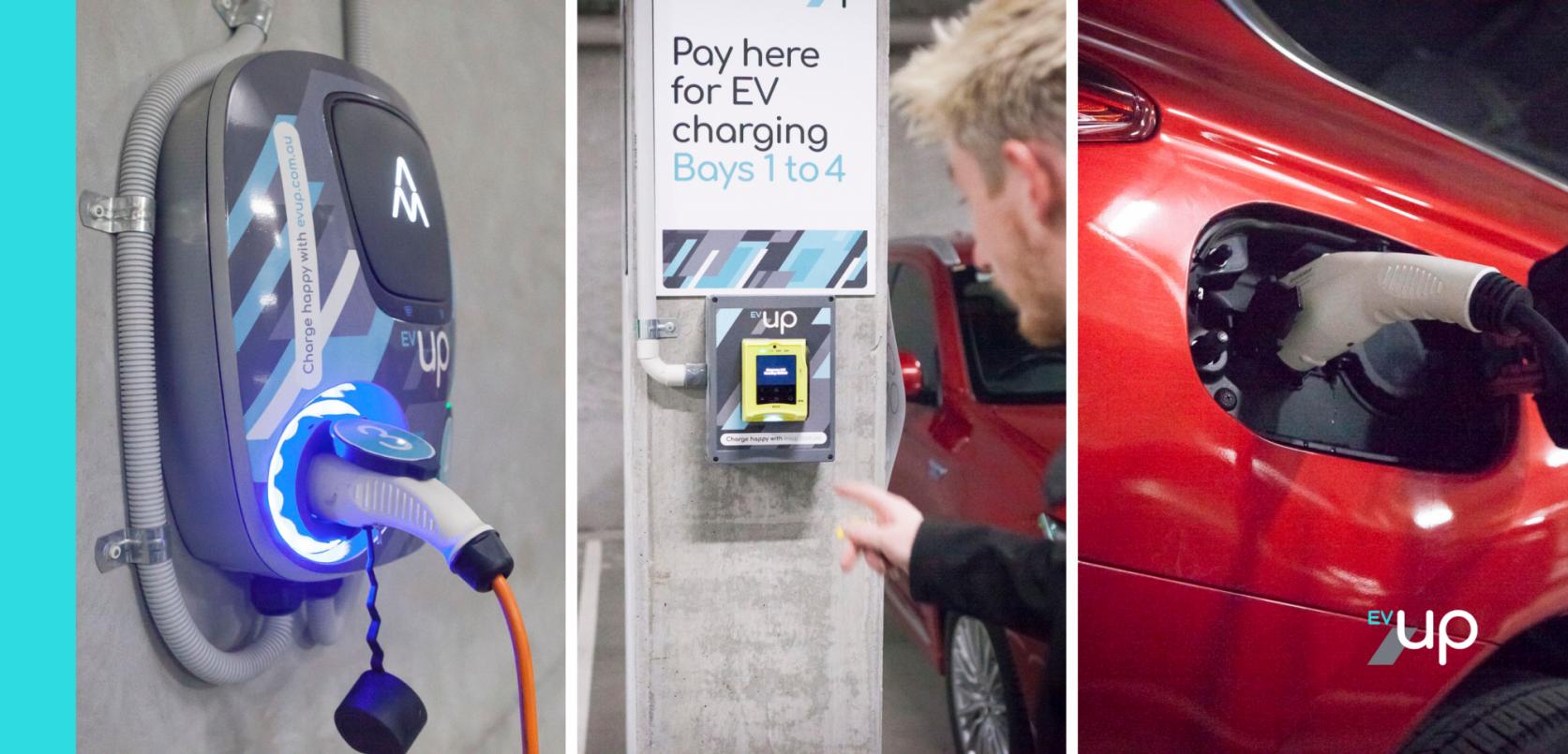
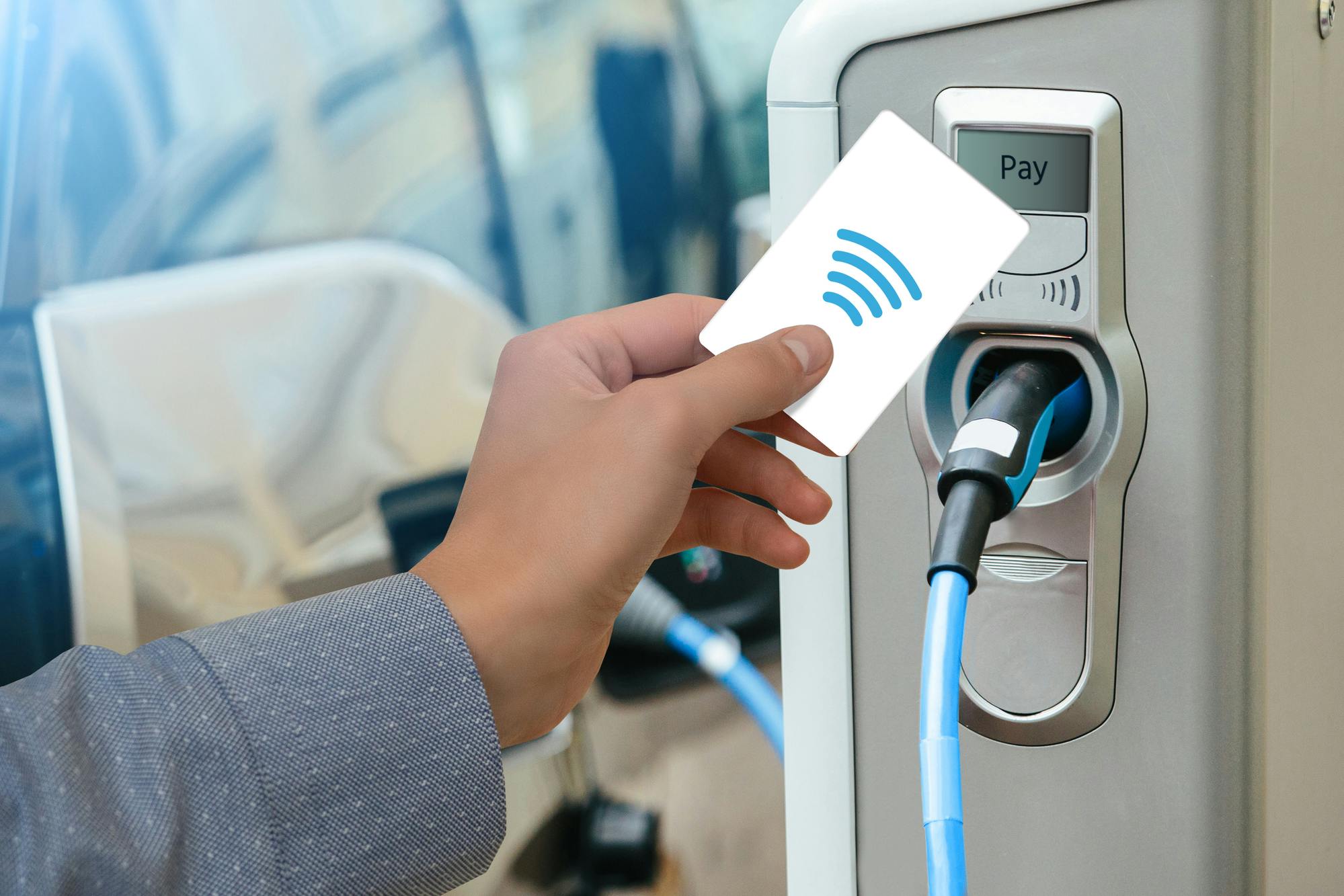
However, many public charging stations do charge a fee. The price can vary depending on the charging speed (Level 2 or DC fast charging), the charging network (like Tesla Superchargers, ChargePoint, EVgo, etc.), and even the time of day. DC fast charging, which can give you a significant charge in a short amount of time, is usually more expensive than Level 2 charging.
Here's a pro tip: download some EV charging apps! These apps will show you the location of charging stations, their prices, and even their availability in real-time. It’s like having a personal EV charging guru in your pocket. Knowledge is power, my friends!
Membership Perks and More!
Many charging networks offer membership programs that can give you discounted rates. If you're a frequent public charger, a membership could be a smart move. Do some research and see which network best fits your needs. It's like getting a loyalty card for your car!
Also, keep an eye out for incentives! Some employers offer free charging to their employees, and some communities offer rebates or tax credits for installing home charging stations. It pays to be informed!
So, What's the Verdict?
Do you have to pay to charge an electric car? The answer is… it depends! Charging at home will increase your electricity bill, but it's generally cheaper than gasoline. Public charging can be free in some cases, but often involves a fee. But even with fees, many EV owners find that their overall "fueling" costs are significantly lower than with a gasoline-powered car.
Think of it as a shift in perspective. Instead of filling up at the gas station, you're plugging in at home or at a charging station. And with a little planning and research, you can optimize your charging strategy and save money while doing your part for the environment.
Electric cars are not just about transportation; they're about innovation, sustainability, and a whole lot of fun! So, go forth, explore the world of EVs, and discover the joy of electric driving. The future is electric, and it's looking brighter – and more affordable – than ever!