Do Window Ac Units Have Freon

Ever found yourself staring at that trusty window air conditioner, humming away on a scorching summer day, and wondered, "What exactly is going on inside there? And does it have that stuff everyone calls Freon?" It’s a great question, and digging into it is actually a fun way to understand a little bit about the science that keeps us cool. Plus, it's pretty neat to know what you're dealing with, especially if you're thinking about buying a new unit or just curious about how your home appliances work their magic!
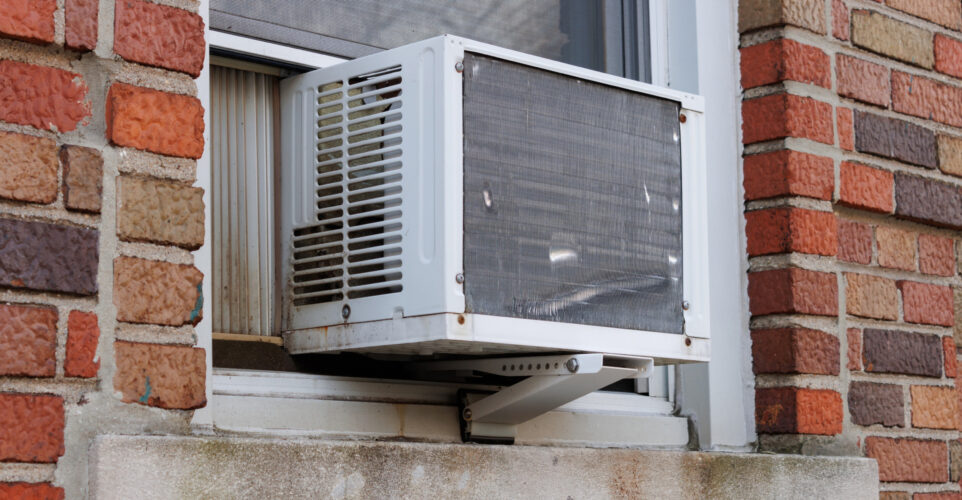
At its heart, any air conditioner, window units included, has a very important job: to move heat. Think of it like a tiny, tireless heat-pumping superhero. Its main purpose is to absorb the uncomfortably warm air from inside your room and then release that heat outside, leaving you with wonderfully chilled air. The unsung hero in this whole process is a special chemical compound called a refrigerant. This liquid-gas chameleon is what actually travels through the coils, absorbing heat as it evaporates (turning into a gas) and releasing it as it condenses (turning back into a liquid). The benefit? Pure, unadulterated comfort on those sweltering days, transforming a stuffy room into a delightful oasis.
Now, about that "Freon" question: it's a bit like asking if all tissues are "Kleenex." Freon was actually a brand name for a specific type of refrigerant, primarily R-22. For many years, R-22 was the go-to refrigerant for most air conditioning units, including many older window ACs. However, scientists discovered that R-22 was an ozone-depleting substance, meaning it contributed to the thinning of the Earth's protective ozone layer. Because of this environmental concern, R-22 has been largely phased out, especially in newer appliances. So, while your grandma’s old window unit might very well contain Freon (R-22), a brand new window AC unit you buy today almost certainly will not! Instead, it will use a different, more environmentally friendly refrigerant like R-410A (often marketed under brand names like Puron) or increasingly, R-32. So, the answer is: modern window AC units have a refrigerant, but it’s probably not the specific chemical compound known as "Freon" (R-22) anymore.
Must Read
Understanding this isn't just for trivia night! In daily life, it helps you make more informed decisions. When you're shopping for a new window unit, you might notice labels proudly announcing "Uses R-410A" or "Eco-friendly refrigerant." This isn't just marketing jargon; it's a direct nod to the move away from ozone-depleting substances. In a broader sense, it teaches us about environmental responsibility and how science influences policy and product development, a great mini-lesson in both chemistry and civics!
Want to explore this a bit more yourself? It’s surprisingly easy! First, take a peek at your own window AC unit. Somewhere on the side or back, there should be a nameplate or sticker with important information. Look for the "refrigerant type" or "charge" – it will usually list something like "R-410A" or "R-22." This simple check immediately tells you what's keeping your space cool. If you're buying a new unit, always check the specifications for the refrigerant type. And a practical tip: if your old unit seems to be losing its cool, resist the urge to tinker with the refrigerant yourself. Refrigerants are complex chemicals and require professional handling for refilling or repairs to ensure safety and proper environmental disposal. A quick online search for "types of AC refrigerants" can also open up a fascinating rabbit hole of information about these cool compounds!