
Do We Know Why Tornadoes Form
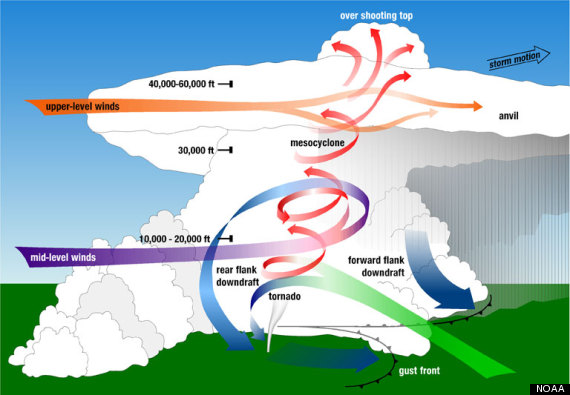
Have you ever watched a weather report and heard about a "tornado watch" or "tornado warning" and wondered, how on earth do they know? Or maybe, standing under a dramatic sky, you've simply asked yourself, "Do we actually know why tornadoes form?"
Well, buckle up, my curious friend, because the answer is a resounding YES! And delving into it isn't just about science; it's about unlocking a thrilling secret about our planet that makes life a whole lot more fascinating. Prepare to have your mind gently blown, in the most delightful way!
The Recipe for a Twister
Think of making a cake. You need specific ingredients, right? Tornadoes are much the same, but instead of flour and sugar, our ingredients are atmospheric! Scientists have identified the key elements that, when mixed just right, can create those incredible rotating columns of air.
Must Read
First up, you need a generous helping of warm, moist air – often straight from the Gulf of Mexico, making its way north. This is the fuel, the rising energy. Next, you need a layer of cool, dry air above it. This creates instability, a bit like a lid on a boiling pot.
But here's where it gets really interesting: wind shear. Imagine winds at different altitudes blowing in different directions and at different speeds. Picture a low-level wind from the south, and a higher-level wind from the west. This difference creates a horizontal "rolling pin" effect in the atmosphere.
The Dance of the Atmosphere
So, you have your ingredients. What happens next? Often, a thunderstorm develops. But not just any thunderstorm – we're talking about a special kind called a supercell. These are the rock stars of the storm world, magnificent and powerful, often rotating themselves.
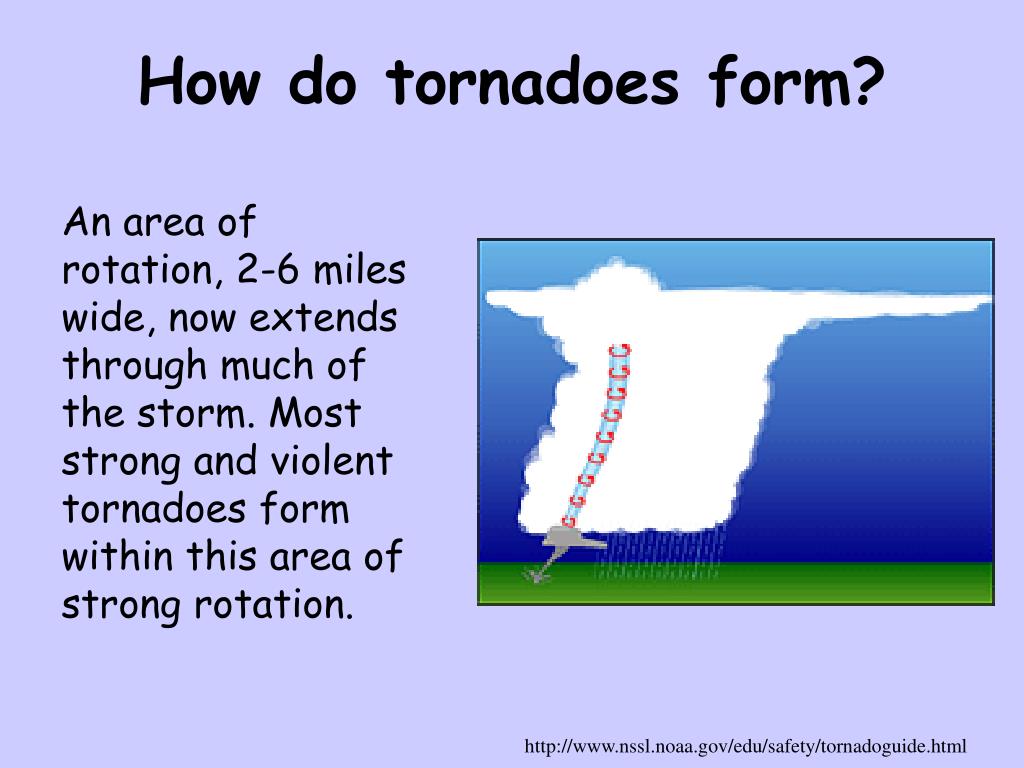
As the warm, moist air rushes upward into the storm (this is called an updraft), it can grab that horizontally spinning "rolling pin" of air created by the wind shear. The updraft literally tilts it vertically! Suddenly, you have a vertical column of rotating air within the storm. Isn't that wild?
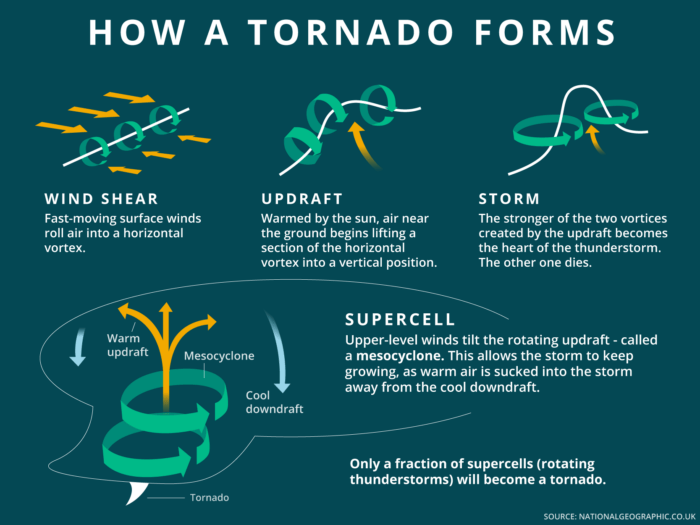
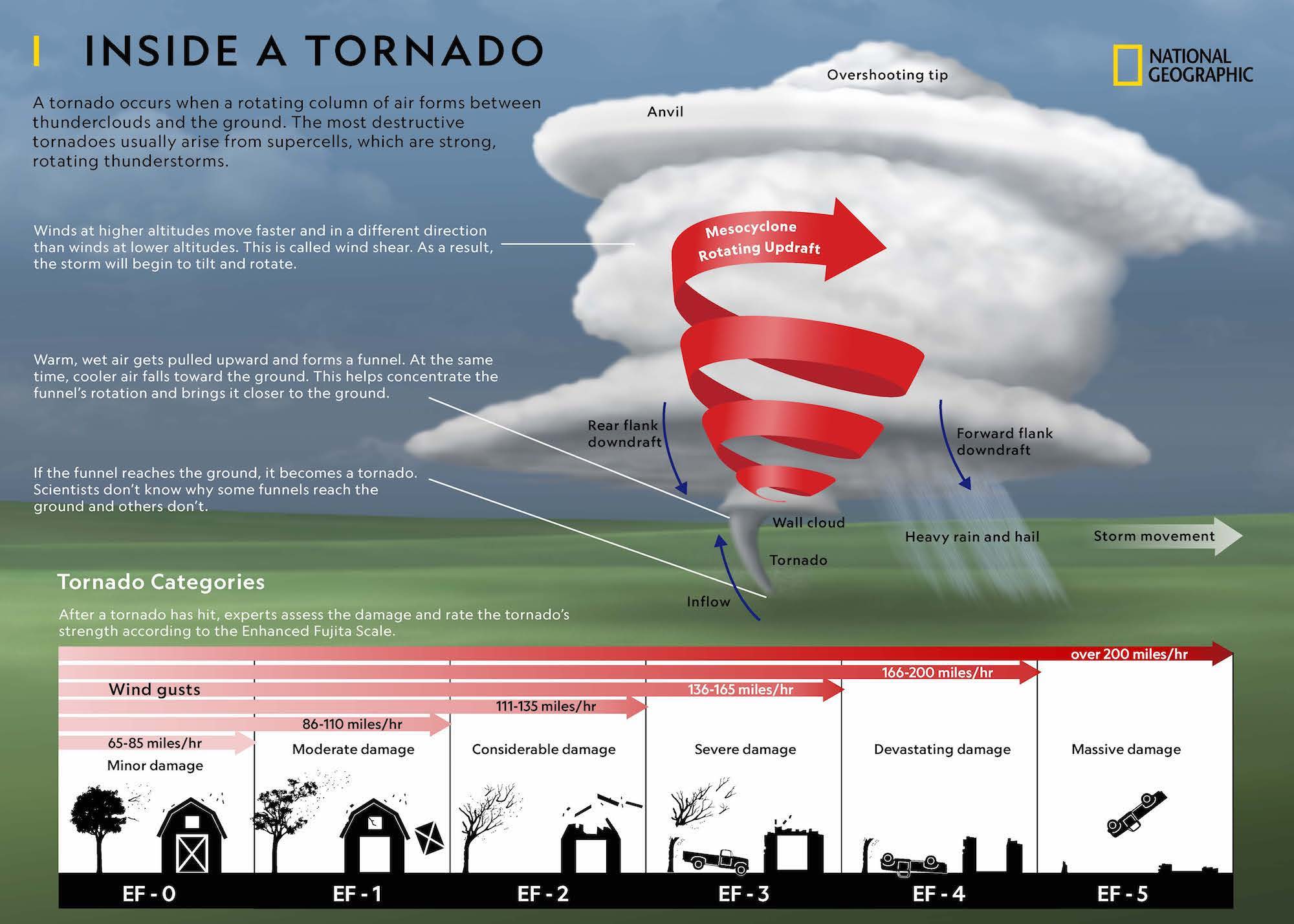
This rotating column is called a mesocyclone. Once this rotation is established, it can tighten and intensify. As the air spins faster and faster, a visible funnel cloud might form, reaching down from the storm. When that funnel makes contact with the ground, congratulations (or maybe, run for cover!), you've got yourself a tornado!
Why It's So Fun to Learn!
Okay, so we know the basic science. But here's the kicker: even with all this incredible understanding, nature still throws us curveballs! Not every supercell produces a tornado. Not every mesocyclone leads to a touchdown. Why some do and others don't is still an active area of research.

And that, my friends, is where the fun truly begins! It’s like a giant, planet-sized puzzle that scientists are piecing together, bit by beautiful bit. We’ve moved beyond "tornadoes are mysterious acts of nature" to "tornadoes are incredibly complex atmospheric phenomena, and we're getting better at understanding their intricate dance every single day."
Think about it: every time a meteorologist issues a more accurate warning, every time a scientist discovers a new micro-detail about storm formation, they're not just doing science; they're saving lives and deepening our collective awe for the planet we call home. Learning about this isn't just about facts; it's about appreciating the sheer power and elegance of natural processes.
It makes you look at a stormy sky differently, doesn't it? You're no longer just seeing clouds; you're seeing potential energy, colliding air masses, and the subtle mechanics of a planet in motion. It transforms a moment of awe into a moment of informed awe – and that's a much richer experience.
Keep That Curiosity Spinning!
So, yes, we know a tremendous amount about why tornadoes form, thanks to generations of dedicated scientists, meteorologists, and storm chasers (the brave souls who help us gather data!). But the story isn't over. There are always new questions, new discoveries, and new ways to refine our understanding.
This ongoing journey of discovery isn't just for scientists in labs; it's an invitation for all of us to stay curious, to ask "why," and to marvel at the world around us. So, the next time you hear a rumble of thunder or see a dramatic cloud formation, remember the incredible story of science unfolding above our heads. Let that inspire you to keep learning, keep questioning, and keep finding the wonder in everything, from the smallest raindrop to the mightiest tornado!