
Do They Have Portable Chargers For Electric Cars
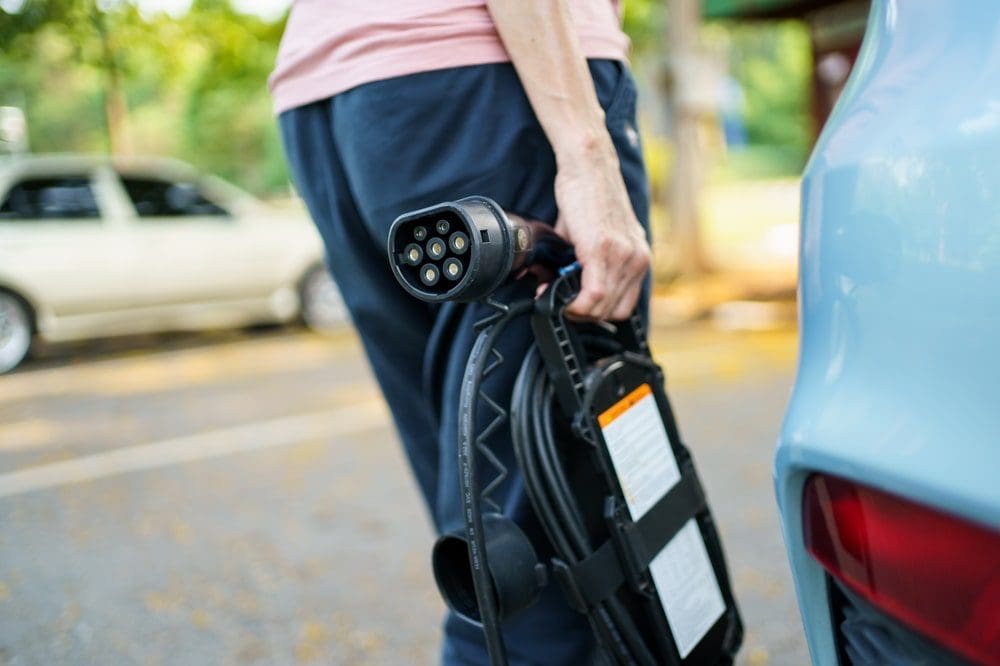
Juice on the Go: Portable Chargers for EVs? Let's Get Real.
Okay, let's talk about electric cars. They're sleek, they're quiet, and they're saving the planet (allegedly!). But there's a tiny, little, itty-bitty elephant in the room: range anxiety. We've all been there, nervously watching that battery percentage tick down like a doomsday clock.
So, the obvious solution, right? Portable chargers! Like, a giant power bank you can lug around in your trunk, ready to rescue you when you're stranded in the middle of nowhere, desperately searching for a charging station that might or might not exist.
Well, the truth is, portable EV chargers do exist. But before you start picturing yourself as a roadside superhero, let's pump the brakes a bit. They're not quite as simple as your phone charger.
Must Read
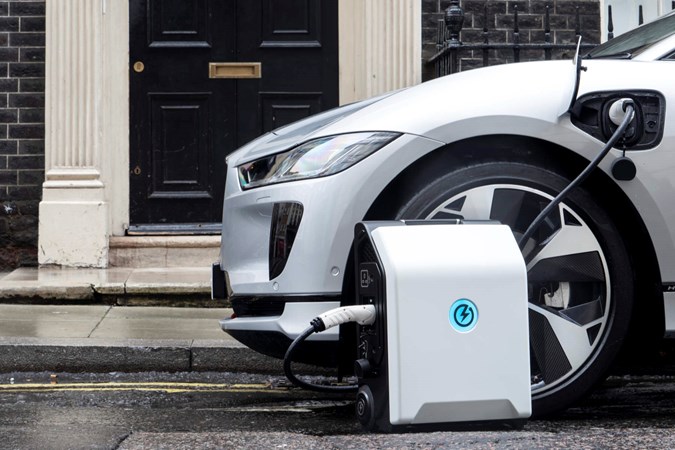
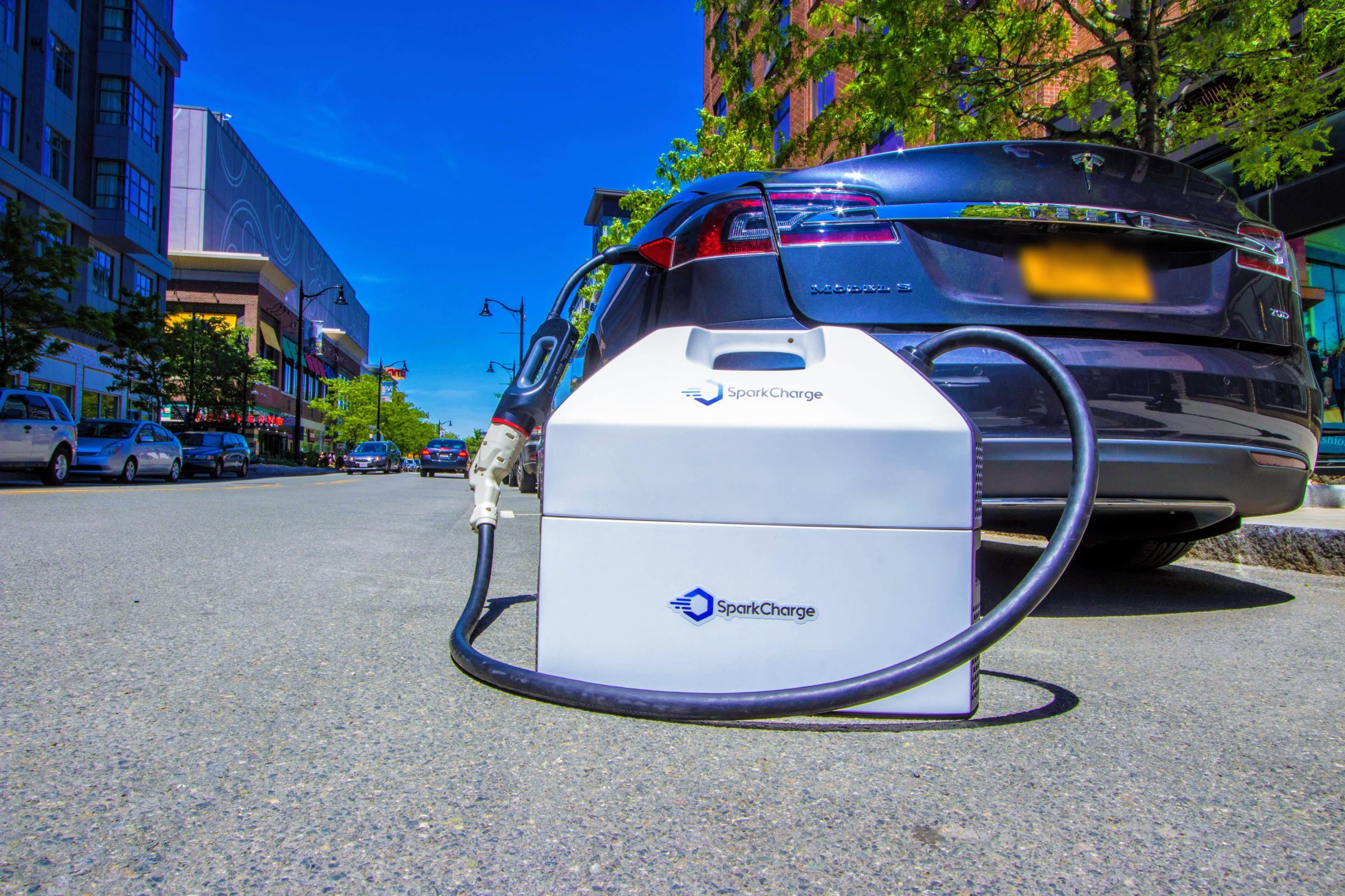
Think about it. Your phone has a tiny battery. An electric car? Not so much. We're talking about needing a serious amount of juice. That means any "portable" charger capable of adding a meaningful amount of range is going to be, well, not very portable.
Imagine trying to wrestle a refrigerator-sized battery out of your trunk in the pouring rain. Fun times, right? And even then, you're probably only adding a few miles. Enough to limp to the next charging station? Maybe. Enough to get you home? Probably not.
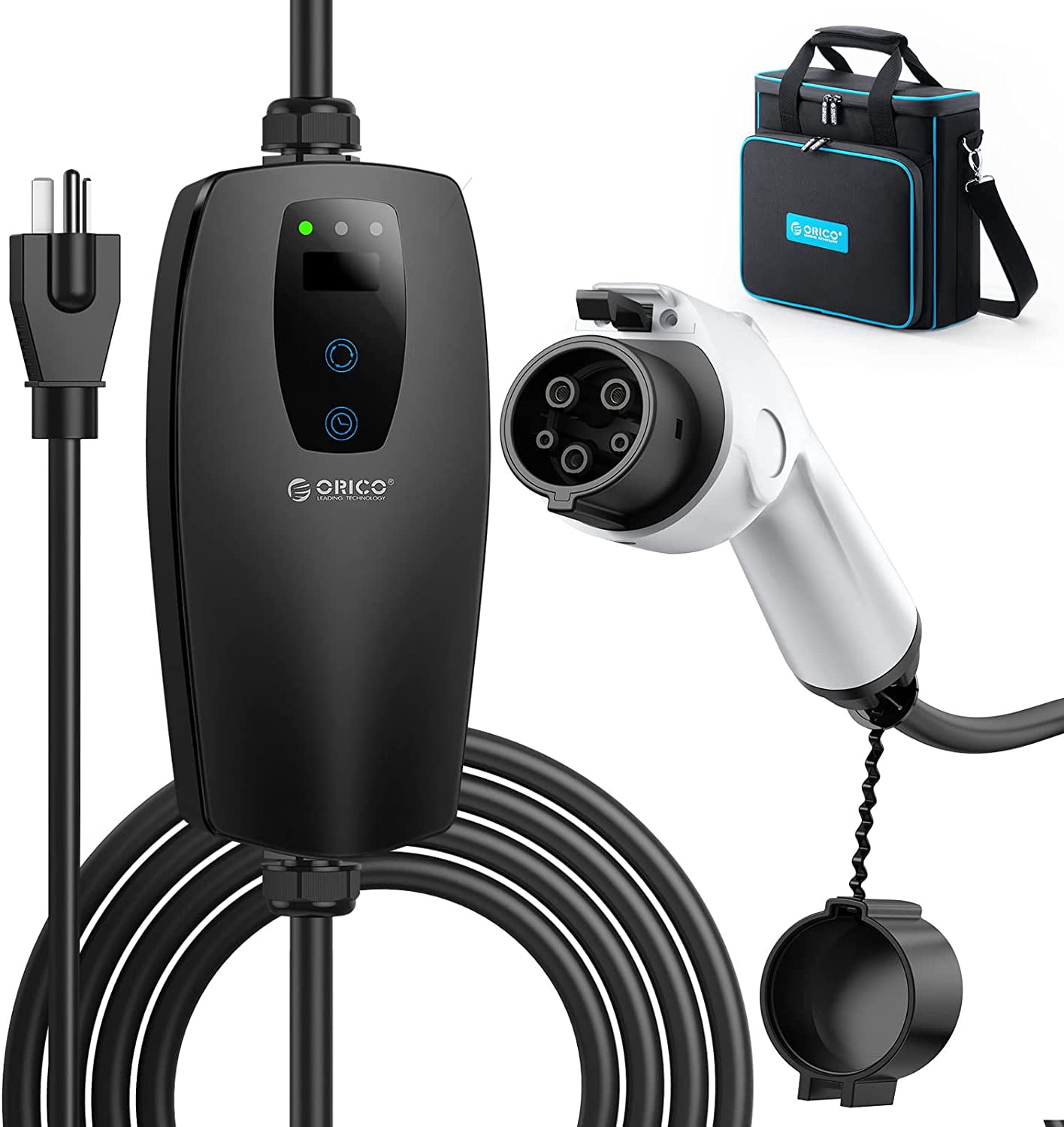
Now, I know what you're thinking: "But tech is always improving! Surely they'll make them smaller and more powerful soon!" And you're probably right. Eventually. But for now, the technology just isn't quite there yet. We're stuck with bulky options that mostly provide a trickle of power, or seriously expensive professional-grade units.
My (Possibly Unpopular) Opinion: They're Not Worth It. Yet.
Here's my hot take, and feel free to disagree: For the vast majority of EV owners, portable chargers are more of a gimmick than a practical solution. They're expensive, heavy, and often underwhelming in terms of the range they provide.

Instead of lugging around a giant battery, I think there are better ways to deal with range anxiety. Like, planning your trips. Shocking, I know. But using apps like PlugShare or A Better Routeplanner can help you find charging stations along your route and estimate your battery usage.
Another option? Invest in a Level 2 charger at home. This will significantly speed up your charging time, so you can start each day with a full "tank." It's a much more convenient and reliable solution than relying on a portable charger.
And let's be honest, sometimes a little bit of planning and foresight can save you a whole lot of hassle. Like remembering to charge your phone before you go out. Or, you know, checking your EV's battery level before embarking on a long journey. Revolutionary, I know!
Of course, there are exceptions. If you frequently drive in remote areas with limited charging infrastructure, or if you're a total tech enthusiast with money to burn, then a portable charger might be worth considering. But for most of us, it's just another expensive gadget that will probably end up gathering dust in the garage.
Ultimately, the best way to avoid running out of juice in your EV is to be proactive. Plan your routes, charge your car regularly, and don't rely on the promise of a magical, pocket-sized charger that can instantly add hundreds of miles of range. Because, let's face it, that's probably not happening anytime soon.
The Future is... Charged?
I'm not saying portable EV chargers will never be a viable option. Tech is always evolving. Maybe someday we'll have lightweight, affordable, and powerful portable chargers that can actually make a difference. But until then, I'll stick to planning my routes and keeping my fingers crossed.
And maybe, just maybe, I'll carry a really, really long extension cord. Just kidding... mostly.
So, what do you think? Am I being too harsh on portable EV chargers? Are you a believer in the power of portable power? Let me know in the comments!