
Do Storm Doors Qualify For The Energy Tax Credit

Alright, settle in, grab your metaphorical latte, because we're about to tackle a question that's plagued homeowners since... well, since they started offering energy tax credits! The burning question: Do storm doors qualify for the energy tax credit? It's a real head-scratcher, right up there with "Why do cats knead blankets?" and "Where do all the single socks go?"
The short answer is: It's complicated. (Isn't it always?) But don't worry, I'm here to break it down for you in a way that even your Aunt Mildred, who still thinks the internet is a series of tubes, will understand.
The Saga of the Energy Tax Credit
First things first, let's talk about this mythical creature known as the "Energy Tax Credit." Think of it as the government's way of saying, "Hey, thanks for trying to save the planet! Here's a little something to take the sting out of that eco-friendly purchase."
Must Read
Now, the details of these credits are about as consistent as a toddler's bedtime. They change. They evolve. They sometimes disappear altogether only to reappear months later with a slightly different name. It's a tax credit rollercoaster! And currently, we're talking about the Energy Efficient Home Improvement Credit, as outlined in the Inflation Reduction Act of 2022. This baby's good through 2032, folks! That's plenty of time to become an energy-saving ninja.
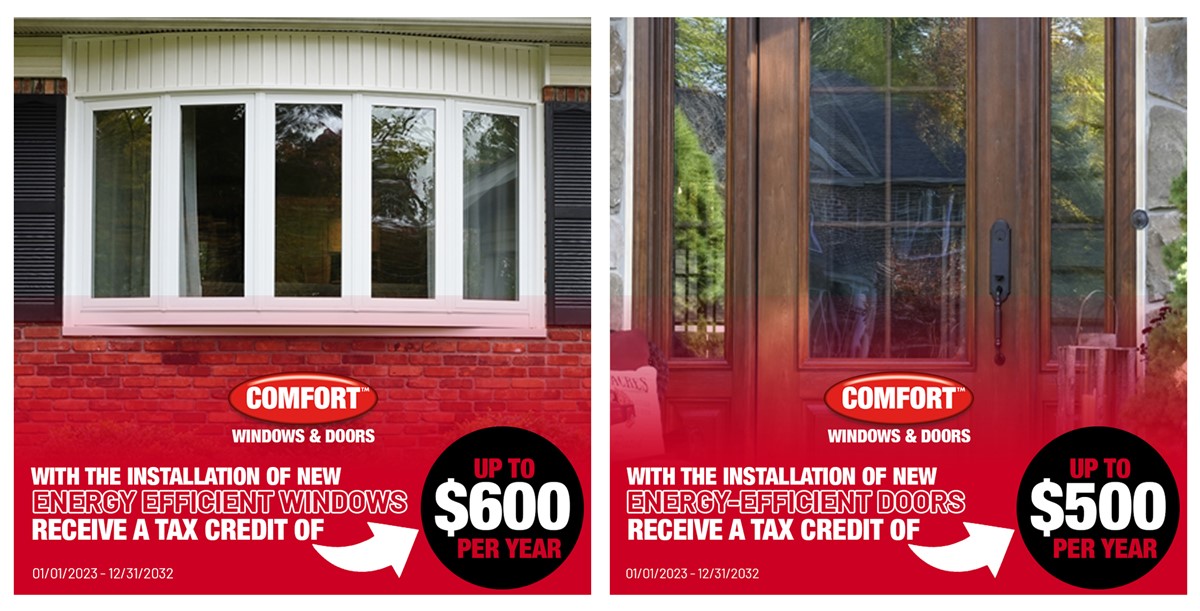
What does it offer? Up to 30% of the cost of qualified energy-efficient improvements to your home, with annual limits for certain items. The maximum credit you can claim each year is $1,200, and specific dollar limits apply to certain improvements.

So where do storm doors fit in?
Storm Doors: Hero or Zero?
This is where things get a bit... murky. You see, the key phrase here is "qualified energy-efficient improvements." The IRS (bless their bureaucratic hearts) doesn't just hand out tax breaks to anyone who slaps a screen door on their house and calls it a day. There are specific requirements that need to be met.
Generally, to qualify for the credit, a door (including a storm door) needs to meet certain ENERGY STAR requirements. This typically means it needs to be certified to have a U-factor of no more than 0.30. A U-factor measures how well a window or door prevents heat from escaping; the lower the U-factor, the better the insulation. Getting a door with a U-Factor of less than 0.30 is easier said than done with a storm door, so make sure it’s clearly labeled and certified.

So, if your storm door is basically a glorified screen (I'm talking about the kind that lets more air in than a convertible with the top down), then, sadly, it's probably not going to qualify. Think of it like trying to enter a fancy restaurant in your pajamas. You might get some interesting looks, but you're not getting past the maitre d'.
However, if you've invested in a high-quality, ENERGY STAR certified storm door with low-E glass and tight seals (the kind that makes you feel like you're stepping into a hermetically sealed vault), then you might be in business!
The Fine Print: Because There's Always Fine Print
Now, before you start picturing yourself swimming in a Scrooge McDuck-style vault filled with tax refunds, there are a few more things to consider:
- Installation Costs: Labor costs for installation are included in the amount you can claim the credit for. This is a big deal, because sometimes installation can cost more than the door itself!
- Documentation is Key: You'll need to keep meticulous records. Receipts, product certifications, the whole shebang. The IRS loves paperwork more than my cat loves chasing laser pointers.
- Your Main Door Matters: Often the storm door has to be installed in conjunction with an exterior door that meets energy efficiency requirements to qualify.
- Talk to a Pro: I'm just a friendly internet storyteller, not a tax advisor. Always consult with a qualified tax professional to ensure you're meeting all the requirements and maximizing your credit. Think of them as your tax-credit Sherpa, guiding you safely up the mountain of deductions.
In conclusion, while storm doors can qualify for the energy tax credit, it's not a slam dunk. You need to do your homework, choose the right door, keep your receipts, and maybe offer a small prayer to the tax gods. But hey, even if you don't get the credit, you'll still have a warmer, more energy-efficient home. And that's a win in my book (especially in the winter months, when I'm practically glued to my radiator).
So go forth, my friends, and conquer the world of energy-efficient home improvements! Just remember to keep a sense of humor, because navigating the tax code is about as predictable as a squirrel on caffeine.
