Do Solar Lights Need Direct Sun
Ah, the humble solar light! From twinkling fairy lights draped across a patio to elegant path markers guiding your way, these little beacons of evening glow have utterly transformed our outdoor spaces. They're the silent heroes of garden parties, the subtle decorators of moonlit evenings, and the ever-present charm that greets you after a long day. There's a certain magic to them, isn't there? That feeling of light appearing seemingly out of nowhere, transforming a dark corner into something enchanting. But for all their effortless charm, a common question often flickers in the minds of many: do solar lights truly need direct sun to work their magic?
For the hobbyist, the casual learner, or anyone dipping their toes into outdoor aesthetics, solar lights are an absolute dream. There's no tricky wiring, no frantic search for outdoor power outlets, and certainly no electricians required! They offer an incredibly cost-effective and wonderfully eco-friendly way to add ambiance, security, and a touch of personal flair to any yard or balcony. Imagine effortlessly highlighting your prize-winning rose bush or creating a whimsical illuminated path without a single electrical bill spike. It's DIY decor at its most forgiving and rewarding.
Even for the more serious artists among us, solar lights present a fascinating medium. Sculptors can use subtle spotlights to emphasize texture and form in their evening installations, while muralists might integrate strings of lights to add a dynamic, glowing dimension to their work after dusk. Picture a shimmering, solar-powered mobile catching the breeze, or a series of illuminated lanterns creating an ethereal pathway through an exhibition. The freedom from power cords allows for unprecedented placement flexibility, encouraging experimentation with light and shadow in ways traditional lighting can't easily match. From minimalist ground-level markers to vibrant, color-changing globe lights, the variations are endless – think classic pathway stakes, elegant hanging lanterns, powerful spotlights for architectural features, or even fun novelty lights shaped like butterflies and glowing pebbles.
Must Read
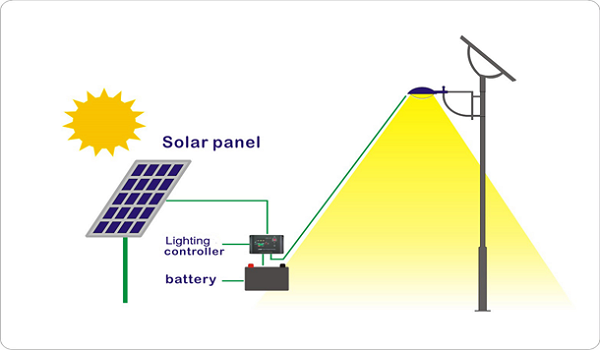
So, back to our burning question: direct sun or not? Here's the illuminating truth: yes, direct sunlight is generally best for optimal performance. Think of it like charging your phone – a fast charger works best, right? The photovoltaic panels on solar lights are designed to convert the sun's powerful ultraviolet (UV) rays into electricity, which is then stored in a rechargeable battery. The more direct, unfiltered sunlight hitting that panel, the faster and more completely the battery will charge, leading to brighter and longer-lasting illumination through the night.

However, here's the delightful nuance: solar lights can and will still charge in indirect sunlight or on overcast days, but their performance will be proportionally reduced. It's like trickle charging your phone – it works, but it takes much longer and might not reach 100%. To get the most out of your lights at home:
- Placement is Key: Position the solar panel where it receives the most unobstructed sunlight for several hours during the day. In the Northern Hemisphere, facing it south is often ideal.
- Keep it Clean: Regularly wipe dust, dirt, and debris off the solar panel. A clean panel is an efficient panel!
- Mind the Shade: Avoid placing panels directly under dense tree canopies or tall buildings if you want maximum brightness and duration.
- Winter Woes: Expect reduced performance in winter due to shorter days and weaker sunlight. It's natural!
Ultimately, the joy of solar lights lies in their sheer simplicity and the instant gratification they provide. There's an immense satisfaction in stepping out into your yard after sunset and seeing your space transformed by a soft, welcoming glow, knowing you've harnessed the power of the sun to create that magic. It's sustainable, beautiful, and utterly enchanting – a little piece of effortless wonder you can enjoy night after night.