Do Reusable Water Bottles Have Microplastics

Hey there, water buddy! Ever wondered if your trusty reusable water bottle – the one you tote around like a badge of eco-honor – is secretly betraying you with…microplastics? Yeah, I know, dun dun DUNNNN! Sounds like a B-movie horror flick, right?
Well, before you chuck all your bottles into the nearest recycling bin (please recycle responsibly, folks!), let's dive into the microplastic mystery and see what's really going on. Think of me as your personal microplastic mythbuster!
The Great Microplastic Panic: What's the Fuss?
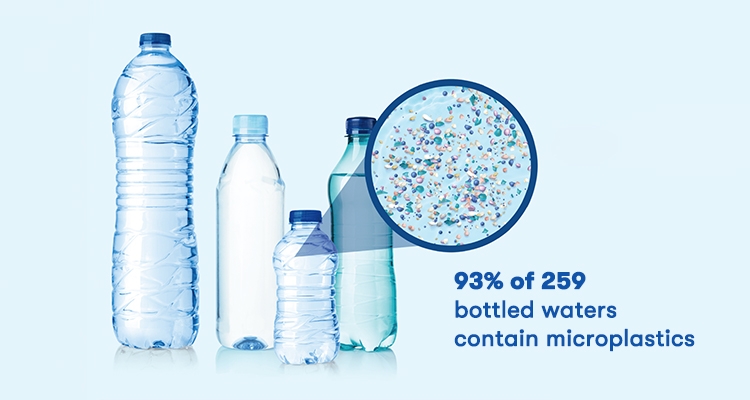
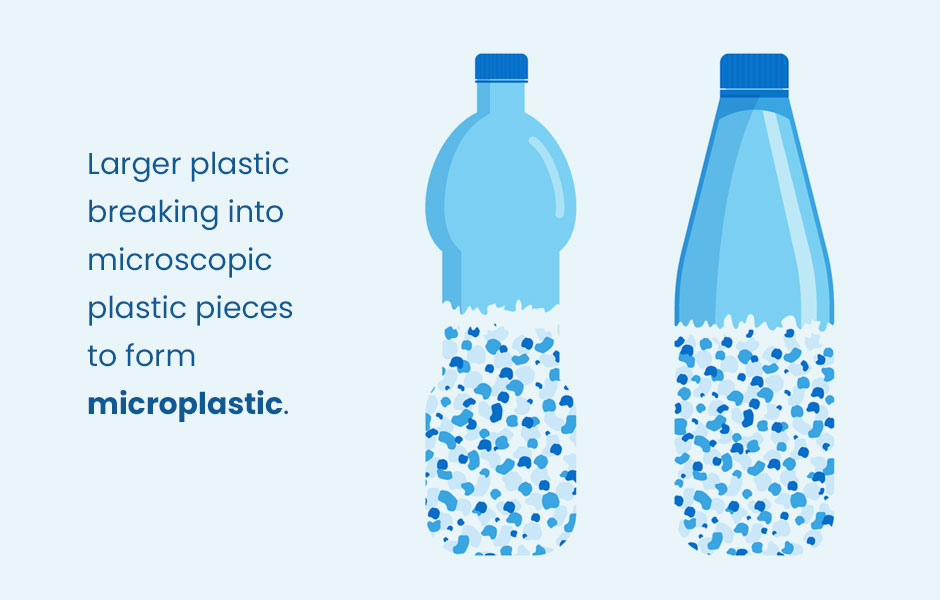
Okay, so what ARE microplastics anyway? Basically, they're tiny plastic particles – smaller than 5 millimeters – that break off from larger plastic items. Think of them like the glitter of the plastic world – sparkly, pervasive, and kinda hard to get rid of. They end up everywhere: in the ocean, in the soil, and, yes, even in our food and drinks. (I know, yikes!)
Must Read
The big concern is what these little guys do to our bodies. Scientists are still figuring that out, but early research suggests they might cause inflammation or disrupt our hormone systems. But hey, don't panic just yet! More research is definitely needed. In the meantime, we'll just imagine them doing the Macarena in our bloodstreams. It's less scary that way, right?
So, Do Reusable Bottles Leak Microplastics?
The short answer? Possibly. But it's not as straightforward as you might think. The biggest culprits are plastic bottles, especially if they're made of lower-quality plastic, exposed to high heat, or get scratched up. Imagine them like grumpy old men, shedding plastic like they shed skin cells (gross analogy, sorry!).
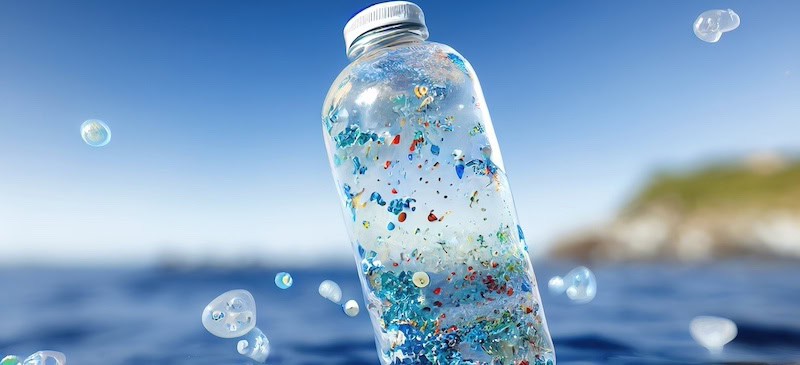
Here's the thing: Even glass and stainless steel bottles, while generally considered safer, aren't completely immune to contributing to microplastic contamination. How? Well, they often have plastic lids or straws. Plus, think about what you're washing them with. Harsh soaps and abrasive scrubbers can break down the plastic components over time. It's a microplastic conspiracy, I tell you!
Plastic Bottle Types and the Microplastic Risk: A Quick Guide
Let's break down some common materials and their microplastic potential:
Tips to Minimize Your Microplastic Exposure (Without Becoming a Hermit)
Okay, so now that we've established that microplastics are lurking, what can you actually do about it? Here are a few simple strategies:
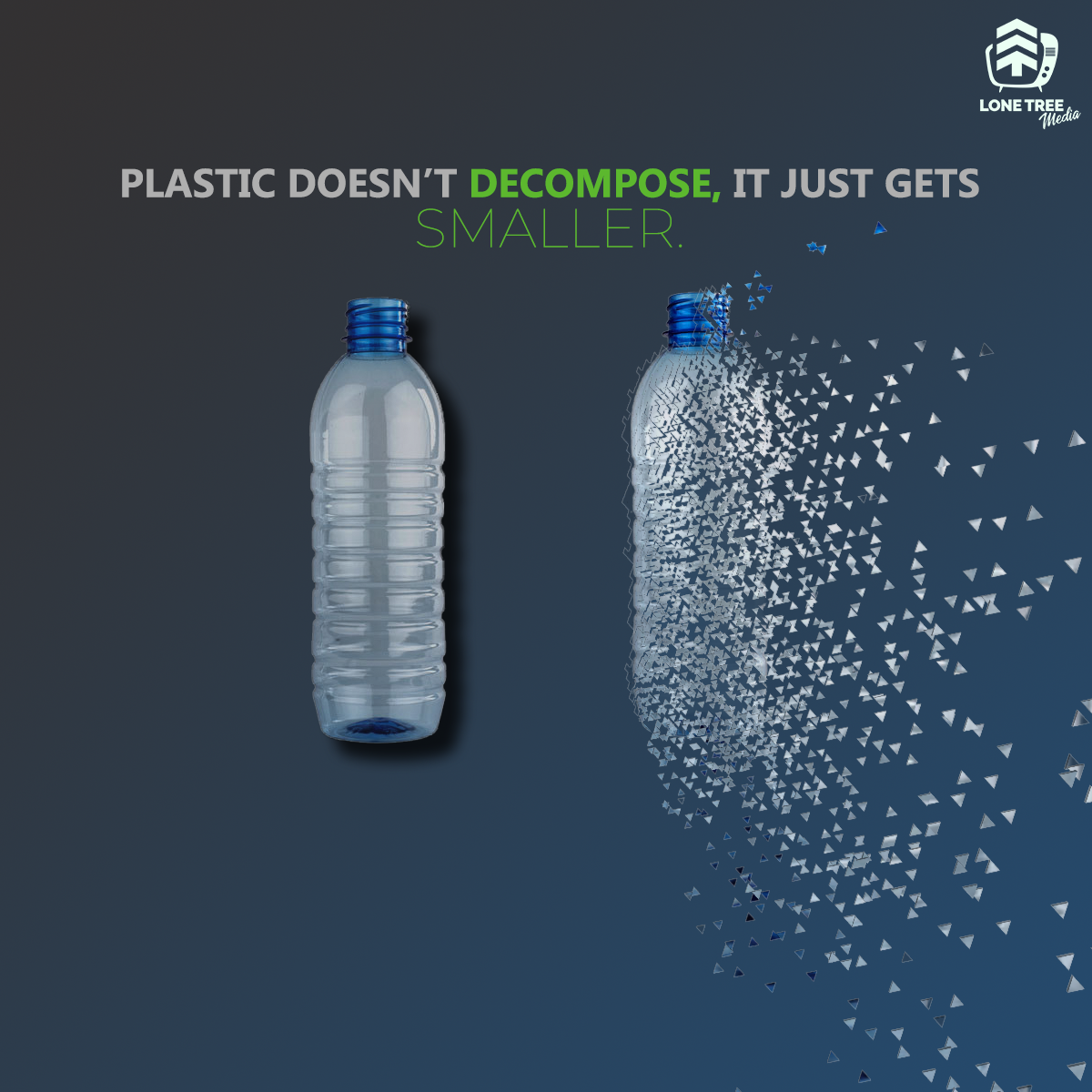
* Upgrade Your Bottle: If you're still using a flimsy plastic bottle, consider switching to stainless steel or glass. It's an investment in your health and the planet! * Gentle Cleaning: Wash your bottles with mild soap and a soft sponge. Avoid abrasive scrubbers that can scratch the plastic. * Avoid Heat: Don't leave your plastic bottles in hot cars or expose them to direct sunlight. Heat encourages plastic to break down. This is especially important for plastic baby bottles! * Filter Your Water: A good water filter can remove microplastics from your tap water. * Inspect Regularly: Check your bottles for scratches and cracks. If you see any, it's time to replace them. * Embrace the Imperfection: Let's be real, completely avoiding microplastics is practically impossible in today's world. Don't stress too much! Just do your best to make informed choices.The Takeaway: Don't Panic, Hydrate Happy!
Look, the microplastic situation is definitely something to be aware of, but it's not a reason to ditch your reusable water bottle altogether and go back to single-use plastics! Remember, those single-use bottles create way more plastic waste in the long run. The best thing you can do is make smart choices, be mindful of your cleaning habits, and stay hydrated. After all, water is essential to health.
So, keep rocking that reusable bottle, knowing you're doing your part for the planet. And if you happen to swallow a few microscopic plastic particles along the way? Well, maybe they'll give you superpowers! (Okay, probably not, but a girl can dream, right?). Stay hydrated, stay informed, and keep sparkling – both inside and out!